
Faded leather is a common problem—whether it’s your favorite leather jacket, sofa, car seat, or handbag. Over time, exposure to UV rays, dirt buildup, and the loss of natural oils cause leather to lose its rich color and smooth finish, making it look dry and worn.
The good news is that leather restoration is not only possible but often simple to do at home. With the right leather care approach—cleaning, conditioning, and recoloring—you can bring faded leather back to life without replacing it.
In this guide, you’ll learn how to restore faded leather step by step, along with practical fixes for deeper damage and expert tips to maintain leather’s color and durability over time.
What Causes Leather to Fade?
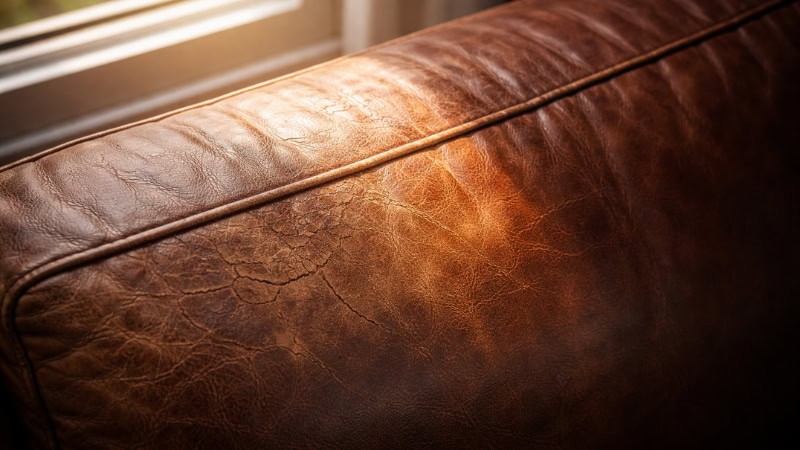
Leather fades due to a combination of environmental exposure and natural wear. One of the biggest culprits is UV radiation from sunlight, which breaks down the leather’s surface pigments and accelerates leather oxidation, leading to dullness and discoloration.
Another major factor is the loss of natural oils. Leather is a porous material that relies on internal moisture to stay supple. Without regular conditioning, it dries out, causing the color to appear faded and uneven.
Daily use also contributes to fading. Dirt, sweat, and body oils gradually degrade the leather’s finish, especially in high-contact areas like seats and armrests. In some cases, lower-quality finishes or improperly dyed leather—such as certain types of aniline leather—may fade faster due to minimal protective coating.
Understanding these causes helps you choose the right restoration method and prevent further damage.
Types of Leather (Why It Matters Before Fixing)
Before restoring faded leather, it’s important to identify the type you’re working with—because each reacts differently to cleaning, conditioning, and dyeing.
Full-grain leather is the most durable and responds well to restoration since it retains its natural surface and structure. Top-grain leather, while slightly processed, can also be restored effectively with conditioners and recoloring products.
More delicate types, such as nubuck and suede, require special care. These have a soft, textured surface and should not be treated with standard leather dyes or heavy conditioners, as they can damage the finish.
You should also distinguish between aniline-dyed leather and pigmented (coated) leather. Aniline leather absorbs products more easily but is prone to fading, while pigmented leather has a protective coating that may require specific leather recoloring balms or coatings for proper restoration.
Knowing your leather type ensures you choose the right method and avoid irreversible damage.
Tools & Materials Needed
Before starting the restoration process, gather the necessary tools to ensure safe, effective results. Using proper leather care products helps prevent damage and improves the quality of color restoration.
- pH-Balanced Leather Cleaner
A specialized cleaner designed to remove dirt, sweat, and oil without damaging the leather’s surface or stripping its natural oils. Avoid harsh household cleaners, as they can worsen fading. - Leather Conditioner
Restores lost moisture and keeps leather soft and flexible. Conditioning also helps prepare the surface so it absorbs dye or recoloring products more evenly. - Leather Dye Kit or Recoloring Balm
Used to bring back the original color of faded leather. Dye penetrates deeper (ideal for aniline leather), while recoloring balm sits on the surface (better for pigmented leather). - Microfiber Cloth (Soft, Lint-Free)
Essential for cleaning, applying conditioner, and buffing the leather without scratching or leaving residue. - Applicator Sponge or Pad
Helps apply dye or balm evenly across the surface, reducing streaks and ensuring consistent color restoration. - Protective Gloves (Optional but Recommended)
Prevents staining your hands during dye application and ensures a cleaner, more controlled process.
Step-by-Step: How to Restore Faded Leather
Restoring faded leather involves a simple yet precise process focused on cleaning, conditioning, and recoloring. Follow these steps carefully to achieve an even finish and long-lasting results.
Step 1: Clean the Leather
Start by thoroughly cleaning the surface using a pH-balanced leather cleaner. This removes dirt, oils, and residue that can block proper absorption of conditioners and dyes. Apply the cleaner with a soft microfiber cloth, gently wiping in circular motions—avoid soaking the leather.
Step 2: Let It Dry Naturally
Allow the leather to air dry completely before moving to the next step. Avoid using hair dryers or other direct heat sources, as they can further dry, crack, or cause uneven texture.
Step 3: Apply Leather Conditioner
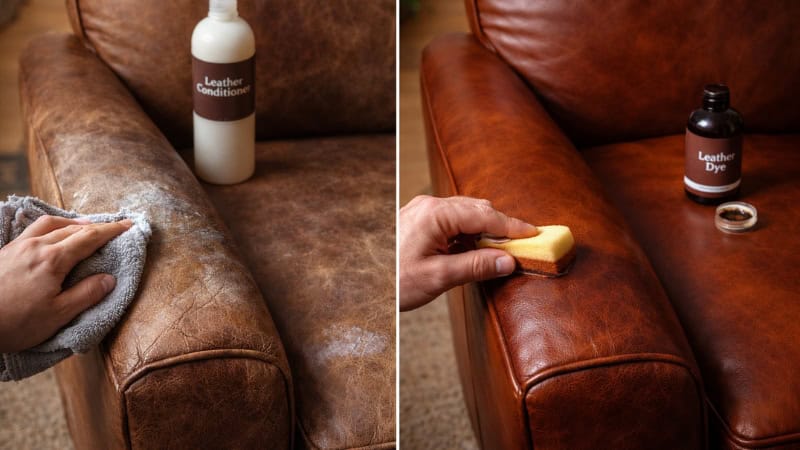
Once dry, apply a small amount of leather conditioner to restore moisture and flexibility. Work it into the leather using a clean cloth, focusing on faded or dry areas. This step is crucial for achieving a better final color and preventing stiffness.
Step 4: Apply Leather Dye or Recoloring Balm
Choose a product that matches your leather type and color. Apply the leather dye or recoloring balm evenly using an applicator sponge. Build color gradually in thin layers rather than a single heavy coat to avoid patchiness. Let each layer dry before applying the next.
Step 5: Buff and Seal the Surface
After achieving the desired color, gently buff the surface with a microfiber cloth to enhance the finish. Optionally, apply a leather sealant or protective coating to lock in the color and help resist future fading and wear.
How to Fix Severely Damaged or Cracked Leather
When leather is not just faded but also cracked or peeling, basic conditioning and dyeing won’t be enough. In these cases, you’ll need targeted repair methods to restore both the surface and structure.
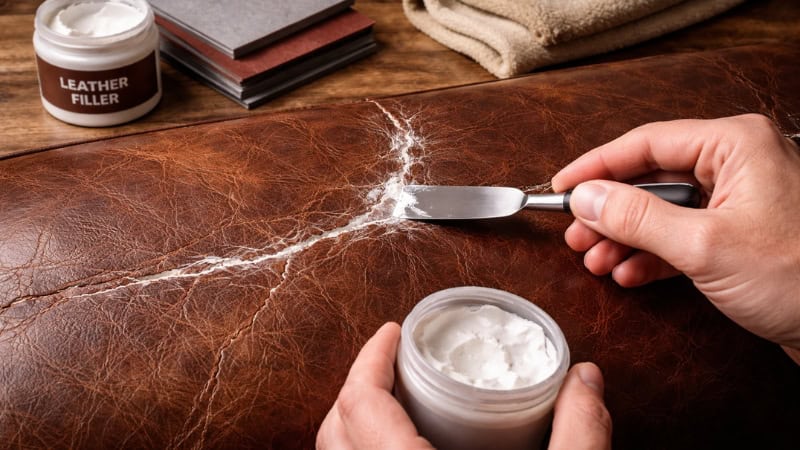
Start by thoroughly cleaning the area, then apply a leather filler to cracks or worn areas. This helps rebuild the surface and create a smooth base before recoloring. Once the filler dries, lightly sand the area to level it with the surrounding leather.
After prepping, apply a matching leather dye or repair compound in thin layers, just like in standard restoration. However, if the damage is serious or widespread—such as large cracks, peeling coatings, or structural wear—it’s often best to consult a professional leather restoration service for long-lasting results.
Common Mistakes to Avoid
Even with the right products, small mistakes can ruin the final result or even further damage the leather. Being aware of these pitfalls helps ensure a smooth, professional-looking restoration.
- Using Household Cleaners or Harsh Chemicals
Products like detergents, alcohol, or bleach can strip the leather’s protective finish, accelerating fading rather than fixing it. - Over-Conditioning the Leather
Applying too much conditioner can leave a sticky or greasy residue, making it difficult for dyes or recoloring balms to adhere properly. - Choosing the Wrong Dye Color
A mismatched shade can make the leather look unnatural or patchy. Always match as closely as possible to the original color. - Skipping a Patch Test
Testing products in a hidden area can lead to unexpected discoloration or damage, especially with sensitive leather types. - Rushing the Process (No Proper Drying Time)
Applying products too quickly without allowing drying time can result in streaks, uneven texture, and poor durability of the finish.
Maintenance Tips to Prevent Fading
Proper maintenance is the key to keeping leather looking rich, smooth, and fade-free over time. A consistent care routine can significantly extend the life and appearance of your leather items.
- Condition Leather Regularly (Every 3–6 Months)
Regular use of a leather conditioner helps maintain moisture levels, preventing dryness and color fading caused by oil loss. - Keep Leather Away from Direct Sunlight
Prolonged exposure to UV rays accelerates pigment breakdown. Store or position leather items away from windows or use curtains for protection. - Clean Leather Periodically
Use a pH-balanced leather cleaner to remove dirt and body oils that can degrade the surface and dull the color over time. - Use a Leather Protectant or UV Spray
Applying a leather protection spray adds a barrier against sunlight, stains, and environmental damage, helping preserve the finish. - Avoid Excess Moisture and Heat
High humidity or heat can weaken leather fibers and affect color stability. Always let leather dry naturally if it gets wet.
FAQs: Leather Restoration and Care
Can faded leather be fully restored?
Yes, in most cases, faded leather can be significantly restored using proper cleaning, conditioning, and recoloring. However, results depend on the leather type and the extent of damage.
Is leather dye permanent?
Leather dye is long-lasting but not completely permanent. With proper sealing and maintenance, it can last for years without noticeable fading.
How often should I condition leather?
It’s recommended to condition leather every 3 to 6 months, depending on usage and exposure to environmental factors like sunlight and humidity.
Can I restore leather without dye?
If fading is mild, a good leather conditioner or recoloring balm may be enough to revive the color without full dye application.
What’s the difference between leather dye and recoloring balm?
Leather dye penetrates deeper into the material, while recoloring balm sits on the surface and is easier to apply—ideal for minor fading.
When should I seek professional leather repair?
If the leather has deep cracks, peeling, or structural damage, a professional leather restoration service is recommended for durable results.
Restore and Protect Your Leather for Long-Lasting Results
Restoring faded leather doesn’t require expensive replacements—just the right process and products. By cleaning, conditioning, and carefully recoloring, you can bring back its original look and extend its lifespan.
With regular maintenance and proper care, your leather items can remain rich in color, soft to the touch, and durable for years to come.
