
Leather is durable, luxurious, and long-lasting — but it is not indestructible. While minor scratches and surface wear can often be fixed with a leather repair kit, some types of leather damage go beyond what DIY methods can safely restore. Knowing when leather damage is beyond home repair can save you money, prevent further deterioration, and protect the structural integrity of your leather furniture, car seats, or handbags.
In this guide, we’ll explain the difference between cosmetic leather repair and professional leather restoration, outline the warning signs of severe damage, and help you decide when to call a leather repair specialist.
What Types of Leather Damage Can Be Fixed at Home?
Before assuming you need professional leather restoration, it’s important to understand what can realistically be repaired using DIY leather repair methods.
Minor Scratches and Scuffs
Surface-level scratches that only affect the protective coating — not the underlying leather fibers — are usually safe to repair at home. These are common on leather couches, car seats, and leather upholstery in high-traffic areas.
Using a leather conditioner, recoloring balm, or light buffing technique can often reduce or eliminate the appearance of these marks. If the scratch disappears when you gently rub it with a finger, it likely hasn’t penetrated the grain layer.
Small Tears Under One Inch
Small cuts or tears (typically under one inch) may be repairable using a leather repair kit that includes:
- Sub-patch fabric
- Leather adhesive
- Filler compound
- Color-matching dye
These repairs are cosmetic and work best when the leather surrounding the tear is still structurally strong. If the leather feels brittle or thin, DIY patching may not hold long-term.
Light Cracking and Surface Peeling
Early-stage cracking in pigmented or top-grain leather can sometimes be improved using leather filler and refinishing balm. However, this only works when cracks are shallow and limited to the finish layer.
If cracking exposes the inner leather fibers (the collagen structure), professional leather refinishing is usually required.
Fading and Dryness
Sun fading and dry leather are often reversible. Conditioning restores moisture, while color restoration products can refresh appearance. Regular maintenance helps prevent more serious structural breakdown.
Quick Summary: Minor scratches, small tears, light cracking, and surface fading can often be repaired at home using leather conditioner, filler compounds, and recoloring balm. Structural damage, deep cracks, or extensive peeling typically require professional leather restoration.
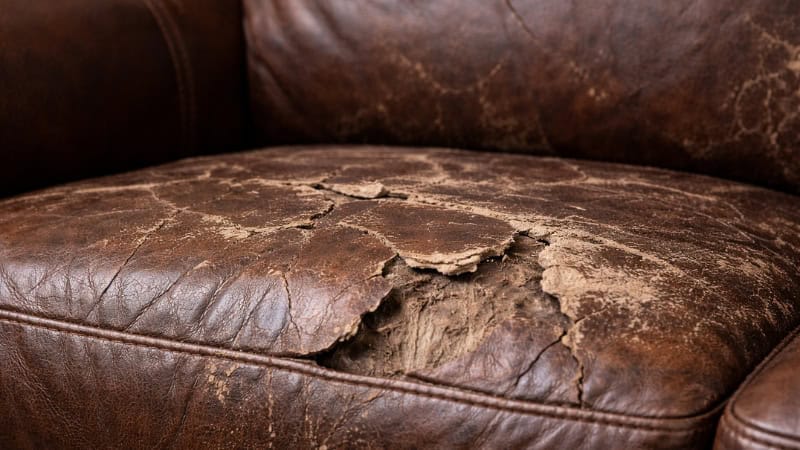
9 Clear Signs Leather Damage Is Beyond Home Repair
When leather damage becomes structural rather than cosmetic, DIY leather repair kits are rarely sufficient. Below are the clearest indicators that professional leather repair is necessary.
1. Deep Cracks Exposing Inner Leather Fibers
When cracks penetrate beyond the surface coating and reveal rough, fibrous texture underneath, the leather’s collagen structure is compromised. This is common in aging leather sofas and car seats exposed to UV oxidation.
Once the internal fibers begin breaking down, surface fillers cannot restore strength. Professional restoration involves reinforcement, refinishing, and protective sealing to rebuild structural integrity.
2. Large Tears or Seam Separation (Over 1–2 Inches)
Tears larger than 1–2 inches place stress on surrounding leather. Adhesives in consumer repair kits are not designed for high-tension areas such as seat cushions or armrests.
Seam separation, especially along stitched edges, often requires re-stitching, internal reinforcement mesh, or sub-patch installation — all procedures typically performed by upholstery repair professionals.
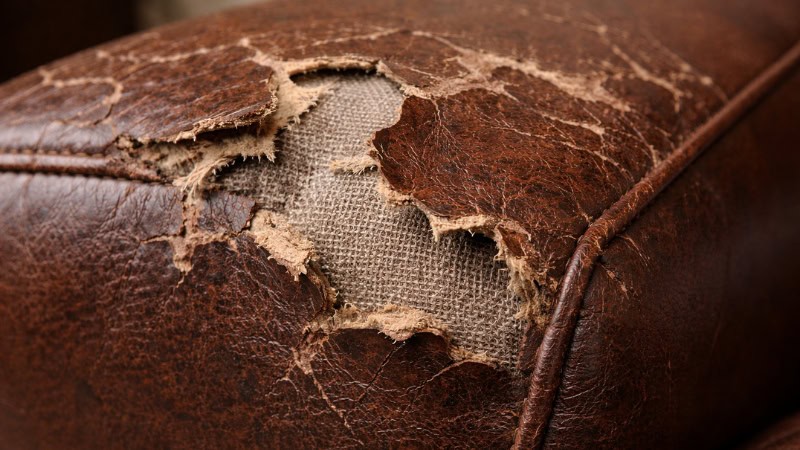
3. Severe Peeling or Bonded Leather Delamination
Bonded leather is made from leather scraps fused with polyurethane coating. When the synthetic top layer begins peeling, it indicates coating failure.
Unfortunately, peeling bonded leather cannot be permanently repaired with DIY kits. Temporary fixes may mask the issue, but delamination will continue. Professional refinishing may restore appearance, but in severe cases, replacement is more realistic.
4. Water Damage and Mold Growth
Water damage causes leather to stiffen as moisture disrupts its natural oils. If left untreated, mold and mildew can develop within porous leather.
Visible mold spots, musty odor, or hardened texture are signs that deep cleaning and antimicrobial treatment are required. DIY cleaning products often fail to fully neutralize mold spores embedded within leather fibers.
5. Oil Saturation and Dark Body Oil Stains
Leather armrests and headrests commonly absorb body oils over time. When oil penetrates deeply, it alters the internal structure and causes permanent darkening.
Surface cleaning won’t reverse oil saturation. Professional degreasing systems are required to draw contaminants out before recoloring.
6. UV Oxidation and Severe Sun Fading
Prolonged sunlight exposure leads to UV oxidation, which dries out leather and weakens collagen fibers. Severe fading is often accompanied by brittleness and cracking.
Professional leather restoration includes re-dyeing, refinishing, and protective UV sealant application to prevent continued degradation.
7. Pet Claw Punctures and Multi-Point Damage
Multiple punctures from pet claws compromise the structural surface. Even if each hole is small, combined damage weakens the material.
Repairing clustered punctures requires filling, grain texturing, and color blending — a process difficult to replicate at home.
8. Structural Cushion Collapse Beneath the Leather
If a leather couch feels saggy or uneven, the issue may not be the leather itself but the foam or frame beneath it.
No amount of filler or dye can fix structural collapse. Upholstery restoration is required to rebuild internal support before cosmetic repair.
9. DIY Repair Attempts Made It Worse
Over-sanding, incorrect adhesives, and mismatched dye are common mistakes. Many homeowners unintentionally enlarge damage while trying to fix it.
Professional leather restoration specialists often need to remove failed repair compounds before correcting the underlying issue.
Featured Snippet Summary: Leather damage is beyond home repair when cracks expose inner fibers, tears exceed 1–2 inches, bonded leather peels extensively, mold develops, oil saturates the material, or structural support beneath the leather fails.
Why DIY Leather Repair Kits Often Fail
DIY leather repair kits are designed for surface-level cosmetic fixes — not structural restoration.
Most consumer products rely on air-drying filler compounds and pre-mixed dyes. These lack:
- Industrial-grade adhesive strength
- Heat-curing technology
- Professional color-matching systems
- Grain replication tools
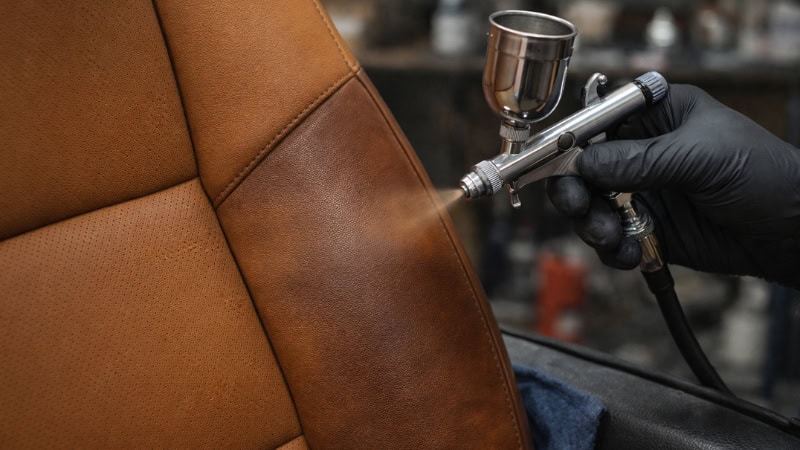
Professional leather refinishing uses flexible acrylic dye systems applied with airbrush equipment. Technicians match color precisely to avoid patchiness. Heat-set compounds bond more securely than air-dried filler.
Another limitation is structural reinforcement. DIY kits rarely include sub-patch installation or reinforcement mesh, both critical for durable tear repair.
While repair kits can improve minor damage, they are not engineered for high-stress areas like seat cushions or heavily worn armrests.
What a Professional Leather Restoration Specialist Actually Does
Professional leather restoration is a multi-stage process focused on structural integrity, aesthetics, and longevity.
1. Material Identification
Technicians determine whether the leather is:
- Full-grain
- Top-grain
- Aniline
- Pigmented
- Bonded
Each requires a different restoration approach.
2. Deep Cleaning and Degreasing
Professionals use pH-balanced leather cleaners and solvent-based degreasers to remove oil contamination without stripping natural fibers.
3. Structural Reinforcement
For tears and splits, specialists:
- Install sub-patches beneath damage
- Use industrial-grade adhesives
- Apply reinforcement mesh
- Rebuild flexibility with compound layering
4. Precision Color Restoration
Instead of using generic dyes, professionals custom-match color using advanced pigment systems. Airbrush application ensures seamless blending across larger areas.
5. Protective Sealing and Conditioning
A protective topcoat seals the repair, followed by conditioning and UV protection to extend longevity.
Reputable specialists often offer warranties on structural repairs.
Cost of Professional Leather Repair vs Replacement
One of the biggest concerns is cost.
Average Leather Repair Costs
- Leather couch repair: $300–$900 depending on severity
- Car seat leather repair: $150–$600 per panel
- Handbag leather restoration: $100–$400
Prices vary by damage extent and leather type.
Repair vs Replacement
Replacing a high-quality leather sofa can cost $2,000–$5,000 or more. Automotive reupholstery may exceed $1,500 per seat.
Professional leather repair typically costs 30–70% less than replacement while preserving original material.
Long-Term Value
Restoration maintains resale value and extends lifespan by several years when performed correctly.
Absolutely — below is the expanded and enhanced version of the sections from “Can All Types of Leather Be Restored?” through the FAQs.
This version increases semantic depth, entity coverage, topical authority, and snippet eligibility while maintaining clarity and avoiding redundancy.
Can All Types of Leather Be Restored?
Not all leather materials respond the same way to repair and restoration. The success of professional leather restoration depends heavily on the leather grade, tanning process, finish type, and structural condition of the material.
Understanding what type of leather you’re dealing with is essential before attempting DIY repair or investing in professional restoration.
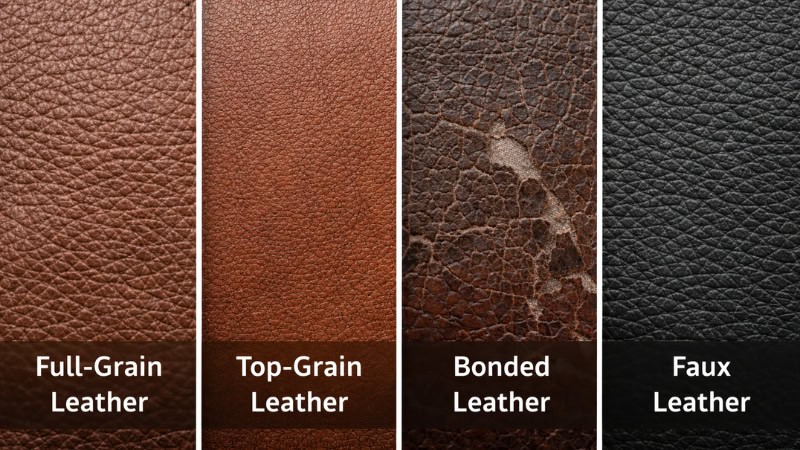
Full-Grain Leather (Highest Restoration Potential)
Full-grain leather is the highest quality leather available. It retains the complete natural grain layer and has not been sanded or corrected. Because of its dense collagen fiber structure, it is extremely durable and highly restorable.
When full-grain leather develops cracks, fading, or surface scratches, professional leather refinishing can often restore it remarkably well. Deep conditioning, custom color re-dyeing, and protective topcoats can extend its lifespan for many years.
Best for restoration:
✔ Cracks
✔ UV fading
✔ Surface scratches
✔ Minor tears
Full-grain leather responds exceptionally well to professional leather repair when structural damage has not fully compromised the fiber network.
Top-Grain Leather (Very Good Restoration Results)
Top-grain leather has been lightly sanded to remove imperfections and is coated with a protective pigment layer. It is commonly used in leather sofas, automotive upholstery, and luxury seating.
Because of its surface coating, top-grain leather is highly suitable for:
- Color restoration
- Surface crack repair
- Refinishing
- Minor
Professional airbrush dye systems blend especially well with pigmented top-grain leather. In most cases, restoration is far more cost-effective than replacement.
Genuine Leather (Moderate Repair Success)
Genuine leather is a lower grade made from the inner layers of the hide. It is often thinner and less durable than full-grain or top-grain leather.
While genuine leather can be repaired, its thinner fiber structure means deep cracks or tears may not hold repairs as effectively. Professional leather repair specialists may reinforce damage using sub-patches and flexible filler compounds.
Restoration is possible — but longevity depends on how much structural strength remains.
Bonded Leather (Limited Restoration Potential)
Bonded leather is made from shredded leather fibers bonded together with polyurethane. It contains significantly less real leather content than full-grain or top-grain options.
The biggest issue with bonded leather is delamination — when the polyurethane surface begins peeling or flaking off. Once peeling starts, it typically spreads.
While professionals can cosmetically refinish small peeling areas, severe bonded leather damage is often not permanently repairable. In many cases, replacement is more practical than repeated refinishing.
Important: DIY bonded leather repair kits usually offer only temporary cosmetic improvement.
Aniline and Semi-Aniline Leather
Aniline leather is dyed with soluble dyes and has little to no protective coating. It is soft, natural-looking, and more absorbent.
Because it lacks heavy pigmentation, restoring aniline leather requires advanced color matching and delicate refinishing techniques. Professional leather restoration is strongly recommended for:
- Oil stains
- Water damage
- Darkening from body oils
- Uneven fading
Semi-aniline leather includes a light protective coating, making it slightly easier to repair than pure aniline leather.
Faux Leather (PU and Vinyl)
Faux leather, including polyurethane (PU) and vinyl, is synthetic. While it can be repaired cosmetically using vinyl repair compounds, it does not respond the same way natural leather does.
Cracking in faux leather often indicates material fatigue. Repairs may improve appearance but rarely restore full durability.
Quick Comparison Overview
| Leather Type | Restoration Success | Long-Term Durability After Repair |
| Full-Grain | Excellent | High |
| Top-Grain | Very Good | High |
| Genuine Leather | Moderate | Medium |
| Bonded Leather | Limited | Low–Moderate |
| Aniline | Good (Professional Only) | High |
| Faux Leather | Cosmetic Only | Low |
Key Insight: High-quality natural leather (full-grain and top-grain) is almost always worth restoring. Bonded leather and heavily deteriorated faux leather may not justify extensive repair.
How to Prevent Severe Leather Damage in the Future
Preventative leather care significantly reduces the risk of cracks, peeling, UV oxidation, and structural breakdown. Whether you own a leather couch, automotive upholstery, or designer handbag, proactive maintenance extends lifespan and preserves value.
1. Condition Leather Every 6–12 Months
Leather loses natural oils over time. Without conditioning, collagen fibers dry out, leading to cracking and brittleness.
Use a high-quality leather conditioner designed for your specific leather type. Avoid silicone-heavy products that leave residue or attract dust.
High-use areas (armrests, car seats, recliners) may require conditioning every 4–6 months.
2. Protect Against UV Exposure
Sunlight is one of the most destructive forces affecting leather. UV radiation accelerates oxidation, fades dye pigments, and weakens fiber structure.
To prevent sun damage:
- Keep leather furniture away from direct sunlight
- Use curtains or UV-filtering window film
- Apply leather protectants with UV inhibitors
Automotive leather is particularly vulnerable and benefits from regular UV-protective conditioning.
3. Clean with pH-Balanced Leather Cleaners
Household cleaners, baby wipes, and alcohol-based products can strip protective coatings and dry out leather.
Instead:
- Use pH-balanced leather cleaners
- Gently wipe with a soft microfiber cloth
- Avoid soaking the material
- Never use bleach or ammonial
Routine cleaning prevents oil buildup and reduces staining risk.
4. Manage Indoor Humidity Levels
Leather performs best in stable environments. Excess moisture can lead to mold growth, while overly dry air causes cracking.
Ideal humidity range: 40–60%
Using a humidifier or dehumidifier when needed helps maintain leather’s flexibility.
5. Address Spills Immediately
Liquids absorbed into porous leather can cause staining and fiber damage.
Blot spills gently — do not rub. Prompt cleaning reduces the likelihood of permanent oil saturation or water marks.
6. Protect Against Pet Damage
Pets are one of the most common causes of severe leather damage.
Preventative tips include:
- Trim pet nails regularly
- Use protective throws or covers
- Train pets to avoid scratching furniture
- Address claw punctures early before they widen
7. Schedule Professional Maintenance
For high-value leather furniture or luxury vehicles, periodic professional cleaning and conditioning can significantly extend lifespan.
Preventative restoration is far less expensive than structural repair.
Frequently Asked Questions
Can cracked leather be fully restored?
Cracked leather can often be significantly improved, but full restoration depends on depth. If cracks are limited to the surface coating, refinishing can make them nearly invisible. When cracks expose internal fibers, professional structural reinforcement is required, and while appearance improves, it may not look brand new.
Is peeling bonded leather repairable?
Minor peeling can be cosmetically refinished, but severe bonded leather delamination is difficult to permanently fix. Because bonded leather relies on a synthetic polyurethane coating, once peeling begins, it usually continues spreading. In advanced cases, replacement may be more cost-effective than repeated repair.
How do you fix deep cuts in leather furniture?
Deep cuts require internal reinforcement using a sub-patch beneath the tear. A leather repair specialist applies industrial-grade adhesive, flexible filler compound, grain replication texture, and custom-matched dye. DIY kits rarely provide long-lasting results for deep structural cuts.
Is it worth repairing a leather couch?
In most cases, yes. If the frame and internal cushions are structurally sound, professional leather repair costs significantly less than replacing high-quality leather furniture. Restoration can extend the couch’s lifespan by several years while preserving its original comfort and value.
Can water-damaged leather be saved?
Yes, but quick action is critical. Mild water exposure can be corrected with controlled drying and conditioning. Severe water damage involving mold or stiffness requires professional cleaning, antimicrobial treatment, and refinishing to restore flexibility and prevent further deterioration.
How long does professional leather restoration last?
When performed correctly and maintained properly, professional leather restoration can last 3–7 years or longer. Longevity depends on usage level, environmental exposure, and ongoing care such as conditioning and UV protection.
Does leather filler actually work?
Leather filler works well for small surface cracks and minor cosmetic imperfections. However, it does not restore structural strength in severely cracked or weakened leather. For high-stress areas or deep damage, professional reinforcement techniques provide more durable results.
When to Call a Professional Leather Repair Specialist
You should contact a professional leather restoration expert if:
- Cracks expose fibrous texture
- Tears exceed 1–2 inches
- Peeling covers large areas
- Mold or odor is present
- DIY repair failed
- Leather feels brittle or structurally weak
Acting early prevents minor damage from becoming irreversible. A professional assessment can determine whether repair or replacement is the smarter long-term investment.
Wrap Up
Not all leather damage can — or should — be fixed at home. Minor scratches, light fading, and small surface cracks often respond well to DIY leather repair methods. However, when cracks expose inner fibers, peeling spreads across bonded leather, tears widen beyond a small split, or the material feels brittle and structurally weak, the damage has likely moved beyond cosmetic repair.
Acting early is critical to protecting your leather furniture, car seats, or handbags from irreversible deterioration. A professional leather restoration specialist can assess the condition, reinforce structural damage, and restore color and finish properly. When in doubt, expert evaluation helps determine whether repair or replacement offers the best long-term value.
