
Leather has a way of holding onto stories—creases from daily use, a soft sheen from time, and sometimes, unfortunately, a layer of dirt that dulls its character. Most guides will tell you to reach for a conditioner immediately, but what if you don’t have one on hand—or simply want a simpler, cleaner approach?
The truth is, cleaning leather without conditioner isn’t just possible—it’s often the smarter move for light maintenance. With the right techniques, you can remove grime, preserve the material’s natural oils, and avoid unnecessary product buildup. This guide walks you through safe, effective methods rooted in real-world use—not just theory.
Understanding Leather Before Cleaning
Before you touch leather with water or soap, it helps to understand what you’re actually working with. Leather isn’t just another fabric—it behaves more like skin, reacting to moisture, friction, and environment in subtle but important ways.
Leather as a Living Surface
Leather—especially full-grain leather and top-grain leather—is a porous, organic material. Think of it like a seasoned saddle: it absorbs, breathes, and ages. Those tiny pores allow it to develop a patina, but they also make it vulnerable to over-cleaning or harsh chemicals.
From a trainer’s perspective, I’ve seen leather gear fail not because it wasn’t cleaned, but because it was cleaned too aggressively. When you strip away its natural oils, you’re not cleaning—you’re weakening its structure.
Why Conditioner Is Usually Recommended
Conditioners replenish lost oils and help maintain moisture retention. Over time, leather dries out due to UV exposure, humidity changes, and friction, leading to stiffness and eventually cracking.
But here’s the nuance: not every cleaning session demands conditioning. If you’re only removing surface dirt, jumping straight to conditioner can actually overload the material and clog its pores.
Risks of Improper Cleaning
The biggest mistake isn’t skipping conditioner—it’s ignoring pH balance and moisture control. Leather reacts poorly to extremes.
Using too much water or alkaline cleaners disrupts its internal structure. That’s when you see fading, stiffness, or that brittle feel that signals long-term damage.
When You Can Skip Leather Conditioner
Not every situation calls for a full leather care routine. Sometimes, less intervention preserves more integrity—especially when the leather isn’t heavily stressed.
Light Cleaning Scenarios
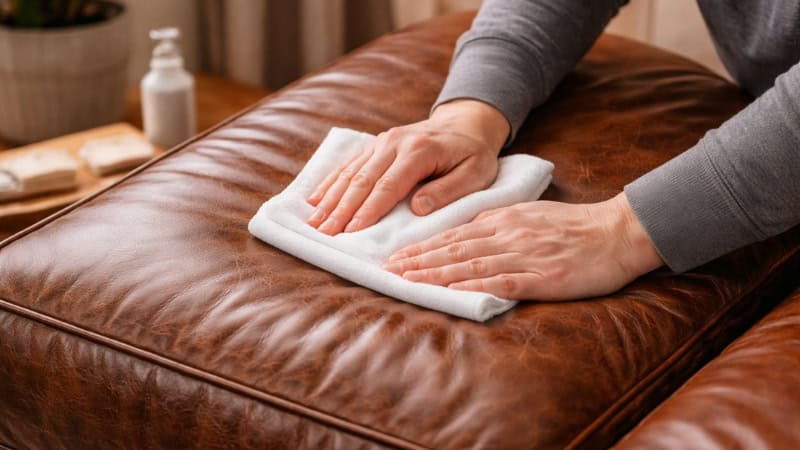
If you’re dealing with dust, mild stains, or everyday grime, you can safely clean leather without conditioner. Think of it like wiping down riding gloves after a session—you’re removing surface debris, not restoring the entire material.
In these cases, a simple cleaning process maintains balance without stripping essential oils.
Temporary or Emergency Cleaning
There are moments when you just need a quick fix—before a meeting, a ride, or an outing. You don’t always have access to premium products like Lexol or Leather Honey, and that’s fine.
A well-done basic clean is far better than letting dirt settle deeper into the leather’s pores.
When Overconditioning Becomes a Problem
Here’s something most guides won’t tell you: overconditioning can be just as harmful as neglect. Leather can become overly soft, sticky, and prone to attracting more dirt.
Occasional skipping of conditioner allows the material to “breathe” and retain its natural resilience.
Tools & Ingredients You’ll Need
Before starting, it’s worth assembling a few simple tools—nothing fancy, just reliable basics that respect leather’s sensitivity. This is where simplicity works in your favor.
Core Cleaning Materials
A microfiber cloth is your primary tool. Unlike rough fabrics, it glides over leather without scratching, lifting dirt gently rather than grinding it in.
Pair that with distilled water, which avoids mineral residue that tap water can leave behind. This small detail often makes a noticeable difference in finish quality.
Cleaning Agents That Work (Without Damage)
For cleaning solutions, stick to mild soap—something like baby soap or a diluted dish soap. These maintain a closer pH balance with leather than harsh cleaners do.
White vinegar, when diluted properly, acts as a natural cleanser. It cuts through grime and odor without introducing harmful chemicals, making it a reliable option for DIY leather cleaning.
Optional Setup Tools
A simple spray bottle helps control moisture—because in leather care, control is everything. Too much liquid is where most damage begins.
From experience, the best setups are the simplest ones. When you’re not juggling too many products, you’re less likely to overdo it.
Step-by-Step: How to Clean Leather Without Conditioner
Cleaning leather without conditioner isn’t about cutting corners—it’s about controlling variables. Done right, it preserves the material’s strength while removing what doesn’t belong.
Step 1: Remove Surface Dust (Foundation Layer)
Before introducing any moisture, start dry. Use a microfiber cloth to gently wipe away loose dust and debris.
This step might seem basic, but skipping it is like washing a bike without knocking off the mud first—you end up grinding particles deeper into the surface. A light, patient wipe sets the stage for everything that follows.
Step 2: Prepare a Balanced Cleaning Solution (Controlled Approach)
Mix a few drops of mild soap into distilled water, or prepare a 1:1 vinegar and water solution for slightly tougher grime.
The key here is restraint. You’re not creating a soaking solution—you’re crafting a gentle cleanser that respects leather’s pH balance. Too strong, and you strip oils. Too weak, and you just move dirt around.
Step 3: Spot Test First (Damage Prevention Mindset)
Always test your solution on a hidden area. Leather can vary—even within the same item—depending on treatment and wear.
From a recovery standpoint, this is like checking a joint before pushing it under load. You assess the response first, then proceed with confidence.
Step 4: Clean with a Damp Cloth (Precision Cleaning)
Dampen—not soak—your cloth, and clean using small, circular motions. This helps lift dirt from pores without forcing moisture deep into the skin.
Focus on consistency rather than pressure. Leather responds better to patience than force. Overworking a spot often causes more harm than the stain itself.
Step 5: Dry Naturally (Recovery Phase)
Once cleaned, use a dry cloth to remove excess moisture, then let the leather air dry. Keep it away from direct sunlight or heat sources.
Heat is the silent enemy here. It accelerates drying unevenly, pulling moisture from within and increasing the risk of cracking.
Natural Cleaning Methods (Deep Value Section)
If you prefer a more organic approach, there are several homemade leather cleaners that work surprisingly well. The trick is understanding when and how to use each.
Vinegar Solution (Deep Clean Reset)
A 1:1 mix of white vinegar and distilled water is one of the most effective natural cleaners. It cuts through dirt, removes odors, and lightly disinfects.
This method works especially well for leather sofas and car seats, where buildup tends to be gradual but persistent. Just remember—vinegar is powerful, so moderation is key.
Used correctly, it’s like a reset button for tired leather surfaces.
Mild Soap Method (Safe Maintenance Routine)
For regular upkeep, a diluted mild soap solution is your safest bet. It’s gentle enough for top-grain and full-grain leather, yet effective at removing daily grime.
Think of this as your “training baseline”—not aggressive, but consistent. Over time, this method maintains cleanliness without stressing the material.
Lemon + Cream of Tartar (Targeted Stain Treatment)
This niche method works best for light-colored leather and specific stains. The mild acidity helps lift discoloration without heavy abrasion.
However, this isn’t an all-purpose solution. It’s more like a precision tool—use it when needed, not as a routine cleaner.
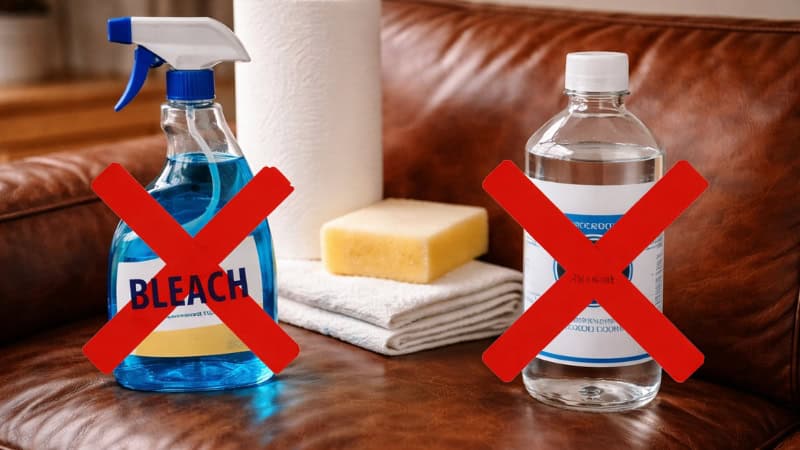
What NOT to Use on Leather (Important EEAT Section)
Sometimes, knowing what to avoid is more valuable than knowing what to use. Leather damage often comes from well-intentioned mistakes.
Harsh Chemicals (Structural Damage Risk)
Products like bleach, ammonia, or alcohol-based cleaners break down leather’s internal fibers. They don’t just clean—they degrade.
From experience, this kind of damage isn’t always immediate. It shows up later as stiffness, fading, or cracks that weren’t there before.
Baby Wipes & Household Cleaners (Hidden Dangers)
A common misconception is that baby wipes are “gentle.” In reality, many contain chemicals that disrupt the leather’s pH balance.
It’s like using the wrong fuel in an engine—it might run for a while, but the long-term cost is inevitable.
Excess Water (Silent Degradation)
Water itself isn’t the enemy—overuse is. Soaking leather causes it to swell, then shrink unevenly as it dries.
That’s when you get warping, stiffness, and that unmistakable loss of flexibility. Control moisture, and you control outcomes.
How to Prevent Leather from Drying Without Conditioner
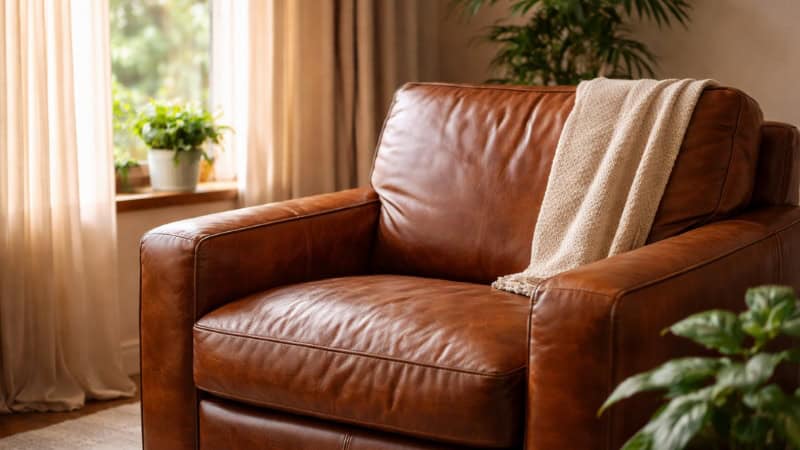
Skipping conditioner doesn’t mean neglecting care. It just means you need to be more intentional about how you naturally protect the leather.
Moisture Control (Balance Over Saturation)
The goal is to clean without stripping essential oils. Using minimal water and properly drying helps maintain moisture retention.
Leather thrives in balance—too dry, it cracks; too wet, it weakens. Staying in that middle ground is where longevity lives.
Environmental Awareness (External Stress Factors)
Factors like UV exposure and low humidity play a bigger role than most people realize. Leaving leather in direct sunlight is like leaving skin unprotected—it dries out faster than you expect.
Keeping items in shaded, well-ventilated spaces preserves their natural flexibility.
Light Natural Oils (Use with Caution)
In some cases, a tiny amount of natural oil (such as coconut oil) can help maintain softness—but it should be used sparingly.
Overuse leads to buildup and darkening. Think of it like recovery training—you apply just enough to support, not overwhelm.
Cleaning Different Leather Items (Intent Expansion)
Not all leather behaves the same way. A sofa absorbs life differently than a pair of shoes, and your cleaning approach should reflect that reality.
Leather Sofa (High-Contact Surface Care)
Leather sofas collect more than just dust—they absorb body oils, spills, and everyday wear and tear. Start with a dry wipe, then use a mild soap solution applied with a damp microfiber cloth.
Work in sections, almost like pacing a long ride—you don’t rush it. Over-saturating large areas is where most people go wrong. After cleaning, allow it to air dry evenly to avoid patchiness.
Leather Bag (Delicate Handling Approach)
Bags, especially top-grain leather bags, are more sensitive to over-cleaning. They’re exposed to the elements but don’t have the same thickness as furniture leather.
Use a lightly dampened cloth with diluted soap, focusing on handles and corners where grime tends to build up. Treat it like a recovery session—not intense, but intentional. Too much pressure or moisture can distort the structure.
Leather Shoes (Durability with Precision)
Shoes take the hardest hits—dust, mud, water. Start by removing debris with a dry cloth or soft brush, then apply a vinegar-water solution for deeper cleaning.
Here, circular motions help restore the surface without scuffing. Let them dry naturally, away from heat. Rushing this step is like skipping cooldown—you might not notice immediately, but damage builds quietly.
Car Seats (Controlled Interior Cleaning)
Car seats sit in a unique environment—heat, sweat, and constant use. A vinegar solution or mild soap mix works well here, especially for odor and buildup.
Clean in small sections to maintain control over moisture. Interiors amplify heat exposure, so drying properly is critical to prevent stiffness and fading.
FAQs on Leather Cleaning without Conditioner
Can you clean leather with just water?
Yes, but only for very light cleaning. Water alone can remove surface dust, but it won’t effectively break down oils or grime. Always use minimal moisture to avoid oversaturation.
Is vinegar safe for leather?
Yes—when diluted properly. A 1:1 vinegar and distilled water mix is safe for most leather types and helps remove dirt and odor. However, overuse can dry the material, so moderation matters.
What happens if you don’t condition leather?
In the short term, nothing significant—especially after light cleaning. Over time, though, leather may lose its natural oils, leading to dryness and potential cracking.
That said, occasional cleaning without conditioner is perfectly safe if done carefully.
How often should you clean leather?
For most items, a light cleaning every few weeks is enough. High-use items like sofas or car seats may need more frequent attention, while bags and shoes depend on exposure.
Consistency beats intensity—regular, gentle cleaning keeps leather in better condition than occasional deep scrubbing.
Final Thoughts: Keeping Leather Clean Without Compromising Its Natural Strength
Cleaning leather without conditioner isn’t about skipping care—it’s about understanding the material well enough to do only what’s necessary. With the right balance of gentle cleaning, controlled moisture, and environmental awareness, you can keep leather looking and feeling its best without relying on extra products.
In many ways, leather rewards restraint. Treat it with patience, respect its natural structure, and it will age with character rather than wear.