
Leather and denim are more than fabrics—they are cultural symbols in fashion history. From biker jackets by Schott NYC to Levi’s denim jeans, both materials have shaped global style across decades. Leather is often associated with luxury, rebellion, and durability, while denim represents comfort, versatility, and everyday wear.
This guide compares leather and denim across key factors, including aesthetics, durability, climate suitability, and maintenance. Whether you’re building a capsule wardrobe or refining your personal style, this comparison will help you make a practical, informed choice based on lifestyle and environment.
What is Leather Style?
Leather style is defined by structure, durability, and a strong visual presence. It originates from treated animal hides such as cowhide or lambskin, with variations like suede offering softer textures. Over time, leather has moved from utility gear to a symbol of luxury and rebellion.
At its core, leather fashion is built around iconic pieces like biker jackets, boots, and belts. Brands like Schott NYC and AllSaints have shaped their modern identity, especially in urban and rock-inspired fashion.
Leather comes in different grades, including full-grain and top-grain, which influence durability and finish. Faux leather is a synthetic alternative, often used in fast fashion.
The appeal of leather lies in its sharp silhouette and ability to elevate simple outfits. It often signals confidence, edge, and a premium sense of style.
What is Denim Style?
Denim style is rooted in practicality and everyday wear. Originally popularized by Levi Strauss in the 19th century, denim was designed as durable workwear. Today, it is one of the most accessible and widely worn fabrics worldwide.
Denim is typically made from cotton twill and dyed with indigo. Variations include raw denim, selvedge denim, and stretch blends. Each type affects comfort, durability, and appearance over time.
Key denim pieces include jeans, jackets, and shirts. Brands like Levi’s, Wrangler, and Diesel have defined their evolution across generations.
The defining trait of denim style is versatility. It works across casual, smart casual, and even semi-formal looks. Unlike leather, denim adapts easily to different aesthetics without dominating the outfit.
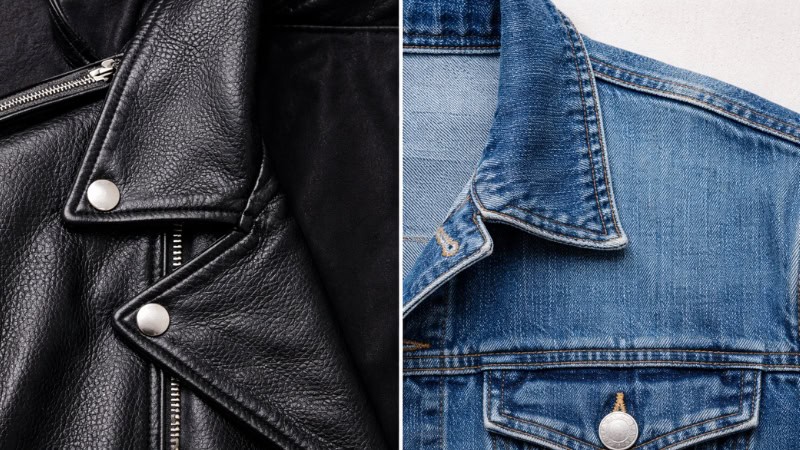
Leather vs Denim: Core Differences
Leather and denim differ significantly in material behavior, maintenance, and long-term value.
Material Composition: Leather is made from animal hide or synthetic alternatives, giving it a firm, structured feel. Denim is a woven cotton fabric, making it softer and more breathable.
Durability Factor: Leather typically lasts longer and develops a patina over time. Denim, while durable, fades and weakens with repeated washing.
Comfort & Breathability: Denim is more breathable and suitable for daily wear, especially in warm climates. Leather is less breathable but offers better insulation.
Maintenance Needs: Leather requires conditioning and careful storage, while denim needs regular washing but minimal specialized care.
Price Range: Leather items are generally higher-priced and considered investment pieces. Denim is more affordable and widely accessible across brands.
Style Aesthetics & Fashion Appeal
How each material shapes your visual identity
Leather and denim create distinctly different style impressions, influencing how an outfit is perceived across fashion contexts.
Leather delivers a bold, structured, and statement-driven look. A leather biker jacket instantly adds edge and authority to an outfit. In contrast, denim offers a relaxed, effortless aesthetic that feels approachable and familiar.
Leather aligns more with luxury fashion, biker aesthetic, and modern minimalism. It is often used by brands like AllSaints and Saint Laurent to create sharp silhouettes. Denim, however, dominates streetwear, casual fashion, and vintage style, with brands like Levi’s and Wrangler shaping its identity.
Leather communicates confidence, rebellion, and refinement. Denim signals comfort, practicality, and everyday ease. The choice often reflects personal identity as much as style preference.
Versatility & Outfit Combinations
How easily each fits into your wardrobe
Versatility determines how often a piece can be worn across different outfits and occasions.
Denim is one of the most versatile materials in fashion. Jeans, jackets, and shirts can be mixed across seasons and styles, making denim ideal for a capsule wardrobe. Leather, while versatile, is more of a statement layer than a base piece.
Denim works seamlessly with layering—t-shirts, hoodies, and sneakers. Leather is typically worn as an outer layer, adding structure rather than blending.
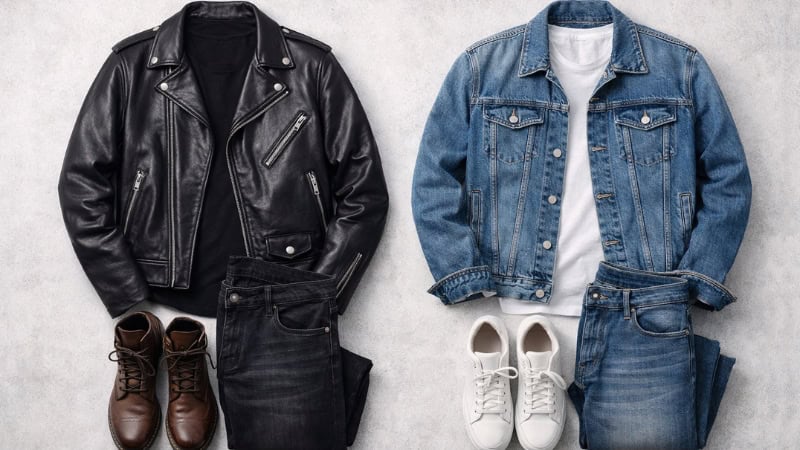
Outfit Pairing Examples
- Leather jacket + black jeans + boots → sharp, urban look
- Denim jacket + white t-shirt + sneakers → casual, everyday outfit
Denim suits are for daily wear and frequent rotation. Leather is better for curated outfits where impact matters.
Climate & Seasonal Suitability
Choosing based on weather and environment
Climate plays a crucial role in determining whether to choose leather or denim, especially in warmer regions.
Leather performs best in cold and windy conditions due to its insulating properties. It acts as a wind barrier, making it ideal for winter fashion.
Denim is significantly more breathable, especially lighter variants like washed or stretch denim. This makes it suitable for summer and humid climates, including regions like South Asia.
Leather is primarily a fall and winter staple, while denim transitions easily across all seasons depending on fabric weight.
Durability & Longevity
Durability is where both materials stand out—but in different ways.
Leather develops a patina, a natural sheen that enhances its appearance with age. This makes leather items look better over time. Denim, on the other hand, fades and softens, creating a worn-in, vintage effect.
High-quality leather, especially full-grain leather, can last for decades with proper care. Denim is durable but more prone to thinning, tearing, and color fading after repeated use.
Leather often delivers better long-term value due to its lifespan. Denim offers strong short- to medium-term value due to its lower initial cost and frequent use.
Maintenance & Care Requirements
Effort, upkeep, and long-term care differences
Leather and denim require very different care routines, which directly impact usability and longevity.
Leather Care Routine: Leather demands specialized maintenance. It needs periodic conditioning to prevent cracking and should be kept away from excess moisture. Storage also matters—using padded hangers helps maintain shape.
Denim Care Routine: Denim is easier to manage. Regular washing keeps it clean, though excessive washing can cause fading and shrinkage. Raw denim users often limit washing to preserve texture and color.
Time & Effort: Leather requires more attention and knowledge. Denim is low-maintenance and suitable for everyday use with minimal effort.
Price & Value for Money
Upfront cost vs long-term return
Cost plays a major role when choosing between leather and denim.
Initial Investment: Leather pieces, especially from brands like AllSaints or Schott NYC, come with a higher upfront cost. These are often considered investment pieces. Denim, led by brands like Levi’s and Wrangler, is available across all price ranges.
Value Perspective: Leather offers better cost-per-wear over time due to durability. Denim provides immediate affordability and flexibility, making it ideal for frequent rotation.
Market Positioning: Leather sits closer to premium and luxury fashion, while denim spans from fast fashion to heritage brands.
Sustainability & Ethical Considerations
Environmental and ethical impact of both materials
Modern consumers increasingly evaluate clothing based on sustainability.
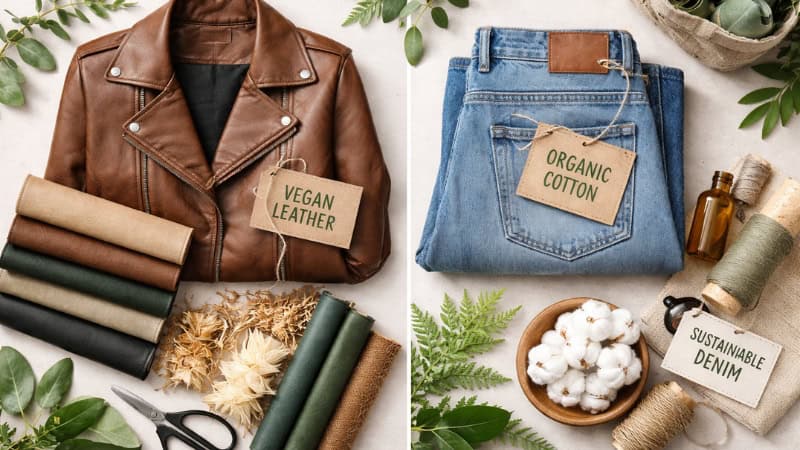
Leather Impact: Leather production involves animal use and chemical tanning processes, which raise environmental and ethical concerns. Alternatives like vegan leather (PU leather) exist but may involve plastics.
Denim Impact: Denim production is resource-intensive, especially due to water usage in cotton farming and dyeing. However, many brands now adopt eco-friendly denim practices, including water-saving technologies.
Conscious Choices: Both materials have sustainable and unsustainable variants. Choosing certified brands and responsible sourcing is key.
Who Should Choose Leather vs Denim?
Matching material with lifestyle and preference
The right choice depends on how and where you plan to wear these materials.
Leather works best for individuals who prefer:
- Structured, bold outfits
- Cooler climates or winter wear
- Long-term investment pieces
Denim is ideal for those who need:
- Everyday comfort and flexibility
- Budget-friendly wardrobe options
- Easy styling across multiple occasions
Leather fits curated, intentional styling. Denim supports frequent, practical use.
Leather vs Denim: Quick Comparison Table
A fast, scannable overview
| Factor | Leather | Denim |
| Durability | Very high (long lifespan) | Moderate to high |
| Comfort | Less breathable | Highly breathable |
| Price | Expensive | Affordable to mid-range |
| Maintenance | High (conditioning required) | Low (regular washing) |
| Style Vibe | Bold, structured, premium | Casual, relaxed, versatile |
FAQs: Leather vs Denim Style
Is leather better than denim for everyday wear?
Denim is generally better for everyday wear due to its breathability, comfort, and low maintenance. Leather is less practical for daily use, especially in warm or humid climates, as it can feel heavy and less flexible.
Which lasts longer: leather or denim?
Leather typically lasts longer than denim, especially full-grain leather, which can age for decades with proper care. Denim is durable but tends to fade, thin, and wear out over time with frequent washing and use.
Is leather more expensive than denim?
Yes, leather is usually more expensive due to material sourcing and production processes. Denim is widely available across price ranges, from budget to premium brands like Levi’s and Diesel.
Which is more suitable for hot climates?
Denim is more suitable for hot and humid climates because it is breathable and lightweight. Leather is better suited for cold or windy conditions due to its insulating properties.
Is leather or denim more sustainable?
Both have environmental impacts. Leather involves animal use and chemical tanning, while denim production consumes large amounts of water and energy. Sustainable options include vegetable-tanned leather and eco-friendly denim.
Can you wear leather and denim together?
Yes, leather and denim can be styled together effectively. For example, a leather jacket with denim jeans creates a balanced look that combines structure with casual ease.
Which is easier to maintain: leather or denim?
Denim is easier to maintain since it only requires regular washing. Leather needs conditioning, careful storage, and protection from moisture, making it more demanding.
Is denim more versatile than leather?
Yes, denim is more versatile because it works across casual, smart-casual, and streetwear outfits. Leather is versatile in styling but is typically used as a statement or outer layer rather than a daily base.
Making the Choice: Leather vs Denim for Modern Style
Choosing the right material for your style
Leather and denim each bring distinct advantages to a wardrobe. Leather stands out for its durability, premium feel, and strong visual impact, while denim excels in comfort, versatility, and everyday usability. The right choice depends on your lifestyle, climate, and personal style preferences.
For a balanced wardrobe, combining both is often the most practical approach—using denim for daily wear and leather for statement layering. This way, you benefit from the strengths of each material without compromise.
