
Pebbled leather is one of the most recognizable textures in the world of leather goods. Its raised, bumpy surface gives it a unique character that feels both stylish and durable.
This material has become a favorite for brands and consumers because it hides wear, handles daily use, and maintains a soft, luxurious feel. From handbags to footwear, its versatility makes it a go-to choice across industries.
Whether you’re comparing leather types or preparing to make a purchase, understanding pebbled leather helps you choose confidently. It’s a texture built for beauty, practicality, and long-lasting performance.
Read on to learn about the benefits, usage, and expert tips on how to care for pebble leather items.
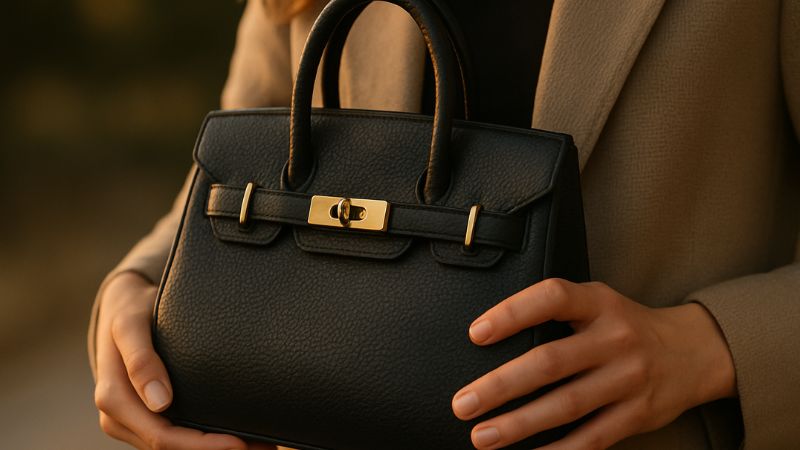
What Is Pebbled Leather?
Pebbled leather is defined by its raised, bumpy surface that resembles small “pebbles” across the grain. This texture can occur naturally or be embossed onto the leather during finishing. The result is a material that feels luxurious while being resistant to daily wear.
Key Details:
- Pebbled leather may be full-grain, top-grain, or corrected-grain, depending on the product and brand.
- Natural pebbled grain forms from unique hide characteristics, while embossed grain uses heat and pressure to create a uniform pattern.
- The textured surface makes scratches and imperfections less noticeable than on smooth leather.
Together, these qualities make pebbled leather a versatile choice for fashion and accessories.
With a clear definition in mind, it helps to understand how this unique texture is created.
How Pebbled Leather Is Made
Pebbled leather goes through a structured production process designed to enhance its grain and durability. While the steps can vary by tannery, most follow a similar pattern to achieve the signature “pebble” effect. The result is a material that balances aesthetics with long-lasting performance.
How It’s Produced:
- Selection of leather: Full-grain and top-grain hides are often used, but corrected-grain leather can be finished with a pebble embossing.
- Tanning: Chrome tanning is most common due to its flexibility, while vegetable tanning provides a firmer, more natural feel.
- Finishing: The pebble texture is either revealed naturally or pressed into the surface using heated rollers.
- Conditioning: Oils and softeners are added to enhance pliability and richness.
Each step adds to the leather’s tactile and visual appeal.
Now that we know how it’s made, the next section explores why people love this texture so much.

Key Characteristics of Pebbled Leather
Pebbled leather stands out because of its combination of texture, durability, and tactile comfort. This makes it ideal for everyday products that need to look good while standing up to regular use. Its grain provides both aesthetic beauty and functional advantages.
Notable Characteristics:
- Texture: The raised pebble pattern creates grip and visual dimension.
- Durability: The grain helps hide scratches, making it less prone to visible damage.
- Flexibility: Pebbled leather is typically softer than stiff smooth leather finishes.
- Water-Resistance: While not waterproof, its texture helps repel light moisture better than flat-grain leather.
These traits make pebbled leather a dependable option for both style and practicality.
Understanding its characteristics naturally leads to the benefits buyers can expect.
Benefits of Pebbled Leather
Pebbled leather offers a blend of aesthetic charm and real-world performance benefits. This is why many luxury and everyday brands rely on this leather for handbags, small goods, and footwear. Its durability also makes it a favorite among consumers who want longevity without sacrificing style.
Why It’s Preferred:
- Camouflages wear: The textured surface hides scuffs, scratches, and fingerprints.
- Comfortable handling: Its grain gives a soft, premium feel that improves grip.
- Long-lasting: Pebbled leather ages gracefully, often developing a subtle patina.
- Low upkeep: It typically requires less maintenance than delicate smooth leather.
Together, these strengths make pebbled leather a smart choice for high-touch accessories.
Next, let’s explore where this material shows up most in everyday life.
Common Uses of Pebbled Leather
Because of its resilience and inviting texture, pebbled leather is used across a wide range of products. Its strength and flexibility make it suitable for both fashion and functional applications. Many of the most popular items you see daily rely on this material.
Where It’s Used:
- Handbags & Wallets: Ideal for items that experience frequent handling.
- Shoes & Boots: Provides flexibility while masking marks.
- Belts & Accessories: Maintains structure without cracking.
- Upholstery & Furniture: Adds comfort and character with long-term wear resistance.
These applications highlight the versatility of pebbled leather across markets.
This variety becomes even clearer when comparing it to other leather types.
Pebbled Leather vs. Other Leather Types
Pebbled leather differs noticeably from smooth, saffiano, nubuck, and suede finishes. These differences influence how the material looks, feels, and performs over time. Understanding the distinctions can help buyers choose the right leather for their needs.
Comparisons:
- Pebbled vs. Smooth Leather: Pebbled is more scratch-resistant, while smooth offers a sleek, formal appearance.
- Pebbled vs. Saffiano: Saffiano has a crosshatch pattern and is more structured; pebbled is softer and more flexible.
- Pebbled vs. Nubuck/Suede: Nubuck and suede are velvety but delicate; pebbled leather is sturdier and easier to maintain.
These comparisons highlight why pebbled leather is often chosen for everyday use. Before buying, it’s also helpful to know how to spot real pebbled leather.

How to Identify Real Pebbled Leather
Real pebbled leather has specific qualities that distinguish it from synthetic (leather) alternatives. These cues help shoppers make informed decisions, especially when purchasing high-end products. Paying attention to texture, smell, and backing materials can reveal authenticity.
Identification Tips:
- Natural variation: Real grain features subtle inconsistency; fake leather looks too uniform.
- Touch & smell: Genuine leather feels warm and smells organic, not chemical.
- Backside inspection: Real leather has a fibrous or suede-like backing, not woven fabric.
- Brand labeling: Reputable brands clearly state the type of leather used.
Recognizing these signs ensures buyers get genuine quality.
Once identified, knowing how to maintain it becomes essential.
Care and Maintenance Tips
Pebbled leather is relatively easy to care for, but proper upkeep helps preserve its softness and beauty. Light maintenance can extend the life of accessories and prevent premature wear. The texture itself makes cleaning more forgiving than smooth leather.
How to Maintain It:
- Cleaning: Use a damp cloth and mild soap for routine cleaning.
- Conditioning: Apply a leather conditioner every few months to prevent drying.
- Storage: Keep items in dust bags and away from direct sunlight.
- Avoid: Harsh chemicals, saturation, or stiff brushes that may damage the grain.
Consistent care ensures pebbled leather stays flexible and attractive for years.
The next step is understanding its pricing and overall value.
Price and Value
Pebbled leather can vary in price depending on the grade and finishing process. While it may not always be the most expensive option, its durability often makes it a worthwhile investment. Luxury brands frequently use pebbled textures to elevate both appearance and practicality.
What Affects Cost:
- Leather grade: Full-grain pebbled leather tends to be more expensive.
- Brand positioning: Designer labels increase price regardless of grain.
- Craftsmanship: Hand-finished or naturally pebbled hides are pricier.
- Longevity: The durability provides long-term value.
Overall, pebbled leather offers excellent performance for its price.
Now let’s address common questions shoppers often ask.
Frequently Asked Questions
1. Is pebbled leather real leather?
Yes, pebbled leather is typically real leather unless stated otherwise by the manufacturer. The pebble texture can be natural or embossed onto the hide. Even when embossed, the underlying material is still genuine leather. Always check product descriptions for confirmation.
2. Does pebbled leather scratch easily?
Pebbled leather is known for resisting scratches better than smooth leather due to its textured surface. Minor scuffs blend into the grain instead of standing out. While not scratch-proof, it performs exceptionally well for daily-use items. This makes it a top choice for handbags and wallets.
3. Is pebbled leather waterproof?
Pebbled leather is not fully waterproof, but its texture helps repel light moisture. Water sits more on the surface compared to smooth leather, giving you a bit more time to wipe it off. However, prolonged exposure can still cause staining or damage. Using a leather protector improves resistance.
4. How long does pebbled leather last?
With proper care, pebbled leather can last many years—even decades. Its texture helps mask wear, allowing it to age gracefully without obvious scuffs. High-quality pebbled full-grain leather lasts the longest due to its strength and natural grain. Durability is one of its strongest selling points.
5. Is pebbled leather better than smooth leather?
“Better” depends on your needs. Pebbled leather excels in durability and daily practicality, while smooth leather offers a more polished, formal look. If you want a low-maintenance, scratch-resistant option, pebbled leather is ideal. For sleek aesthetics, smooth leather may be preferable.
6. Does pebbled leather stretch?
Yes, all leathers stretch to some degree, including pebbled leather. However, it tends to stretch less noticeably because the texture holds its shape well. Over time, items like handbags and shoes may soften and conform to use. Proper conditioning can help maintain structure.
7. Why do luxury brands use pebbled leather?
Luxury brands choose pebbled leather for its premium feel, durability, and elevated texture. The grain gives products a rich aesthetic that stands out without being flashy. It also holds up beautifully over long-term use, which aligns with luxury-quality expectations. Many brands consider it a signature material.
A Stylish Finish: Why Pebbled Leather Stands Out
Pebbled leather continues to be a favorite for its blend of texture, strength, and timeless appeal. Its raised grain provides both beauty and durability—qualities shoppers value in everyday accessories.
Whether you’re comparing materials or choosing your next bag or wallet, pebbled leather offers a reliable balance of style and practicality. It’s a texture that proves luxury doesn’t have to be delicate—and durability doesn’t have to sacrifice elegance.
