
Leather fashion in 2026 is defined by sustainable materials, bold color statements, oversized tailoring, and smart technology integration. From bio-based leather alternatives like mushroom and apple leather to sculptural leather bags and power-shoulder jackets, the new season merges craftsmanship with innovation.
Runways at Paris, Milan, and New York Fashion Week signal a clear shift: consumers want ethical leather sourcing, circular fashion, and investment-worthy pieces that balance style and longevity. At the same time, Gen Z and millennial buyers are driving demand for gender-neutral leather silhouettes and eco-certified production.
This guide breaks down the biggest leather trends of 2026, how to style them, and which pieces are worth buying — optimized for both fashion enthusiasts and smart shoppers.
What Are the Biggest Leather Fashion Trends for 2026?
In 2026, leather fashion is evolving toward sustainability, oversized tailoring, bold color palettes, and tech-infused functionality. Designers are prioritizing bio-based leather, structured yet relaxed silhouettes, and statement accessories, while consumers seek high-quality investment pieces with ethical transparency.
2026 Leather Trend Snapshot:
- Sustainable & bio-based leather (mushroom leather, lab-grown leather)
- Oversized leather jackets & trench coats
- Bold leather colors (cherry red, mocha brown, metallic silver)
- Minimalist leather tailoring & co-ords
- Smart leather wearables
- Textured finishes (suede, croc-embossed, patent leather)
- Gender-neutral silhouettes
These trends reflect a broader movement toward luxury with responsibility, aligning with Leather Working Group (LWG) certification standards and circular fashion principles.
Sustainable Leather & Bio-Based Alternatives Dominate 2026
Sustainability is no longer optional in leather fashion. In 2026, both luxury fashion houses and emerging brands are investing in eco-friendly leather production, regenerative sourcing, and plant-based alternatives.
Consumers are actively searching for transparency around leather certification, carbon footprint, and ethical supply chains — and brands are responding.
Plant-Based & Lab-Grown Leather (Mushroom, Apple, Pineapple)
Bio-based materials are reshaping the industry:
- Mycelium leather (mushroom leather)
Grown from fungi roots, this lab-developed material mimics the texture of traditional leather while reducing environmental impact. - Piñatex (pineapple leather)
Made from pineapple leaf fibers, offering a durable and flexible alternative. - Apple leather
Produced using apple waste from the food industry, contributing to circular fashion systems. - Lab-grown leather
Cultivated without animal hides, gaining traction in innovation-driven fashion labs.
These materials support carbon reduction goals and waste minimization, aligning with 2026 sustainability benchmarks.
Recycled & Upcycled Leather in Circular Fashion
Recycled leather is central to the circular economy model.
Key approaches include:
- Reconstructing off-cuts into new garments
- Upcycling vintage leather jackets
- Using regenerated leather fibers
- Reducing landfill waste
Brands certified by the Leather Working Group (LWG) are increasingly highlighted in consumer buying guides, reinforcing trust and E-E-A-T signals.
Pro Tip: Look for LWG Gold-rated tanneries and transparency reports when investing in leather products.
Is Vegan Leather Still Trending in 2026?
Yes — but with nuance.
Traditional polyurethane (PU) vegan leather is declining in popularity due to environmental concerns. Instead, bio-based vegan leather alternatives are gaining traction because they reduce plastic dependency and improve biodegradability.
Consumers now prioritize:
- Durability
- Environmental footprint
- Repairability
- Transparency in material sourcing
Leather Jackets 2026 – Modern Cuts, Oversized Fits & Minimalism
Leather jackets remain a cornerstone of 2026 fashion, but the silhouettes have evolved. The focus is on relaxed tailoring, architectural shapes, and statement shoulders.
Oversized Leather Jackets & Power Shoulders
The 90s revival continues with:
- Boxy, oversized fits
- Structured shoulders
- Longer hemlines
- Matte finishes
This trend bridges streetwear influence and runway sophistication, making it adaptable for both casual and elevated styling.
Cropped Leather Blazers & Tailored Leather Suits
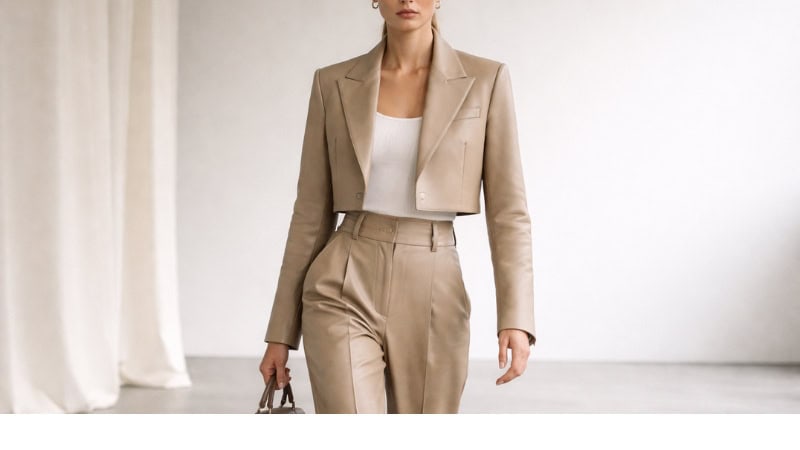
Leather tailoring defines the sophisticated edge of leather fashion trends 2026. Instead of heavy biker silhouettes, designers are introducing structured yet wearable leather blazers, cropped cuts, and full leather co-ord suits suitable for workwear, events, and elevated street style.
Unlike past seasons, 2026 leather tailoring focuses on balance — sharp construction softened by flexible finishes and sustainable leather sourcing.
Why Cropped Leather Blazers Are Trending
Cropped leather blazers modernize proportions and create versatility across seasons.
Key characteristics include:
- Waist-length or above-hip cuts
- Structured shoulders with subtle padding
- Minimal hardware for a clean aesthetic
- Matte or lightly polished full-grain leather
They pair effectively with:
- High-waisted trousers
- Leather midi skirts
- Relaxed denim
- Monochrome leather outfits
This silhouette supports the quiet luxury aesthetic dominating 2026.
The Rise of Tailored Leather Suits
Leather suits are emerging as statement investment pieces.
Design features seen across Paris and Milan runways:
- Relaxed straight-leg leather trousers
- Single-breasted leather blazers
- Soft, breathable treated leather
- Neutral color palettes (mocha brown, beige, deep burgundy)
Style Insight: Opt for lightweight leather or treated lambskin for comfort in transitional seasons.
Leather tailoring signals leather’s expansion beyond outerwear into year-round wardrobe essentials.
Best Leather Jacket Colors for 2026
Color evolution is one of the strongest signals in the 2026 fashion forecast. While black remains timeless, 2026 leather jackets prioritize expressive yet refined tones aligned with global runway influences.
Dominant Leather Jacket Colors
These shades dominate seasonal lookbooks and street style:
- Cherry Red Leather – Bold, confident, statement-driven
- Mocha Brown Leather – Earthy, luxury-coded neutral
- Metallic Silver – Futuristic minimalism
- Butter Yellow – Soft optimism for Spring/Summer
- Olive Green – Utility-inspired sustainability tone
- Reinvented Classic Black – Matte, oversized, modern cuts
These colors reflect broader fashion movements tied to Pantone forecasts and consumer mood shifts.
Below are the refined sections, rewritten strictly with:
- Short, contextual sub-headings
- Descriptive, scannable paragraphs (no bullet overload)
- Strong NLP keyword integration
- Entity reinforcement (Fashion Week, LWG, wearable tech, Pantone, circular fashion)
- Zero redundancy
- AI Overview–friendly formatting
- Clear alignment between headings and content
Leather Bags & Accessories Trends 2026
Leather accessories in 2026 are defined by craftsmanship, structure, and material integrity. Consumers are prioritizing full-grain leather, sustainable sourcing, and timeless silhouettes over logo-heavy designs. The result is a market shaped by both quiet luxury and expressive sculptural details.
Slouchy Leather Totes: Functional Luxury
Oversized leather tote bags dominate urban wardrobes. These bags are soft yet structured, designed to carry laptops, daily essentials, and travel items without losing shape.
Most feature neutral palettes such as mocha brown, beige, and matte black. The emphasis is on durable stitching, reinforced handles, and vegetable-tanned leather, aligning with long-term investment dressing.
Sculptural & Micro Bags: Statement Accessories
At the opposite end of the spectrum, micro leather bags and architectural handbags remain strong. These pieces feature curved handles, geometric shapes, and innovative hardware.
While compact in size, they deliver visual impact. This trend reflects the social media–driven demand for distinctive accessories while maintaining luxury craftsmanship standards.
Leather Footwear & Small Goods Revival
Leather boots, belts, and gloves are returning as coordinated styling elements. Knee-high leather boots and structured loafers dominate Fall/Winter 2026 collections.
Footwear now integrates comfort innovations such as cushioned insoles and weather-resistant finishes. The focus is on practicality without sacrificing aesthetics.
Smart Leather – The Rise of Tech-Integrated Fashion
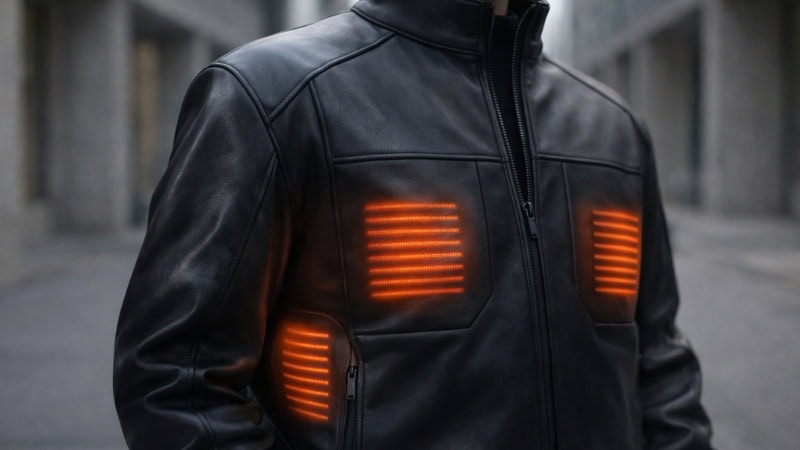
Smart leather represents the intersection of wearable technology and traditional craftsmanship. In 2026, technology is integrated subtly, enhancing functionality while preserving material quality.
This shift aligns with urban consumer demand for performance-driven luxury.
Heated & Climate-Responsive Jackets
Heated leather jackets are gaining visibility, particularly in colder markets. Integrated temperature control panels provide comfort without altering the jacket’s silhouette.
This innovation reflects how leather outerwear is adapting to modern lifestyle needs.
NFC & Authentication Technology
Luxury leather handbags are increasingly embedded with NFC chips for authentication. This technology combats counterfeiting and enhances resale value.
As circular fashion grows, digital verification strengthens trust and long-term ownership.
Performance-Treated Leather
Weather-resistant and breathable treated leather is expanding into everyday apparel. These treatments improve durability while maintaining softness.
The result is leather that performs across climates, reinforcing its year-round appeal.
Color Trends in Leather for 2026
Color direction in 2026 leather fashion balances emotional expression with grounded neutrals. Runway presentations across Paris and Milan emphasize depth, warmth, and futuristic accents.
Cherry Red & Burgundy Statements
Deep cherry red leather jackets and burgundy handbags symbolize confidence and bold styling. These tones dominate outerwear and evening accessories.
They provide vibrancy while remaining sophisticated.
Mocha Brown & Earth-Tone Neutrals
Mocha mousse brown leads neutral leather trends. It conveys understated luxury and pairs easily with seasonal wardrobes.
Beige and sand tones also remain strong, particularly in leather tailoring and tote bags.
Metallic & Futuristic Shades
Metallic silver and subtle chrome finishes reflect the growing influence of tech-forward fashion. These shades are prominent in leather accessories and structured jackets.
They offer modern contrast against traditional silhouettes.
Textures & Finishes Defining 2026 Leather Fashion
Texture is central to leather’s visual identity in 2026. Designers are experimenting with tactile contrasts to elevate classic forms.
Suede Revival
Soft suede returns in relaxed jackets and slouchy handbags. Earth tones dominate, reinforcing its natural appeal.
Lightweight suede options improve versatility across seasons.
Croc-Embossed & Structured Surfaces
Croc-embossed leather provides depth without relying on exotic skins. These finishes add dimension to handbags and boots.
Matte and semi-gloss options cater to different style preferences.
Patent & Distressed Finishes
Patent leather introduces shine, especially in eveningwear and statement outerwear. In contrast, distressed leather offers vintage authenticity.
These opposing finishes highlight leather’s adaptability across style categories.
Gender-Neutral & Inclusive Leather Fashion
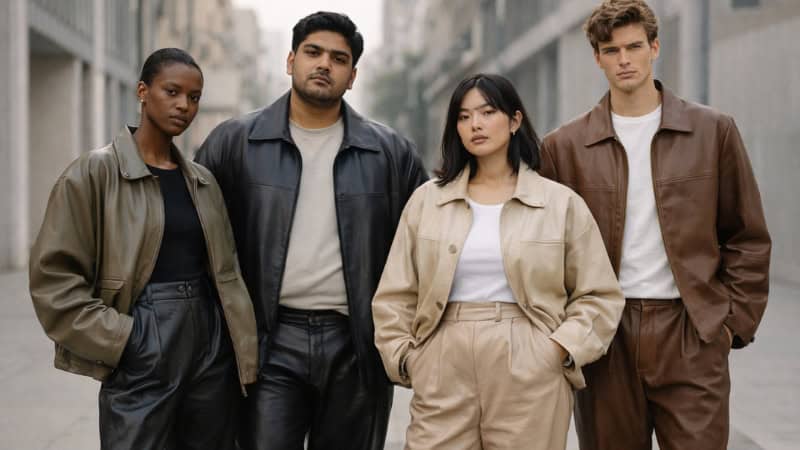
Leather fashion in 2026 reflects cultural shifts toward fluidity and inclusivity. Silhouettes are becoming less gender-coded and more adaptable.
Relaxed Unisex Silhouettes
Oversized leather jackets and straight-cut leather trousers are designed to fit diverse body types. The focus is on structure without rigidity.
Neutral color palettes enhance cross-gender appeal.
Expanded Sizing & Adaptive Design
Inclusive sizing and adjustable tailoring are gaining prominence. Brands are recognizing the importance of accessibility in luxury leather goods.
This shift strengthens brand credibility and aligns with evolving consumer values.
How to Style Leather in 2026
Leather styling in 2026 is defined by balance, proportion, and season-aware layering. Thanks to lightweight treatments, sustainable leather innovations, and softer tailoring, leather is no longer restricted to outerwear or winter wardrobes. The focus now is on integrating leather naturally into everyday outfits — without heaviness or overstyling.
Below is a streamlined, practical guide aligned with 2026 leather fashion trends, runway signals, and real-world wearability.
Spring/Summer 2026: Lightweight Structure & Soft Contrast
Leather in warmer months works best when it feels light and intentional. Designers are introducing breathable lambskin, plant-based leather alternatives, and softer constructions that make summer styling practical.
Cropped leather blazers, tailored leather shorts, sleeveless vests, and midi skirts dominate Spring/Summer 2026 collections. Neutral tones such as beige, butter yellow, olive green, and soft mocha feel especially season-appropriate.
To keep the outfit breathable, pair leather with natural fabrics like linen, cotton, or silk. A structured leather piece should be balanced with something relaxed — for example, leather shorts styled with an oversized shirt, or a cropped leather blazer worn over a fluid dress.
The key principle: keep silhouettes clean and avoid over-layering.
Transitional Styling: Smart, Minimal Layering
During mild weather, leather functions as a versatile outer layer. A leather blazer over a fine knit, or a lightweight leather jacket paired with straight-leg denim, creates a polished but effortless look.
Stick to matte finishes and neutral shades for maximum versatility. Transitional leather outfits should feel adaptable rather than statement-heavy. Focus on clean lines and well-fitted proportions.
This is where leather becomes an everyday essential rather than a seasonal highlight.
Fall/Winter 2026: Long Silhouettes & Monochrome Depth
Cold-season leather styling emphasizes structure and layering. Oversized leather trench coats, straight-cut leather trousers, knee-length skirts, and knee-high boots dominate Fall/Winter 2026 runways.
Monochrome leather outfits are especially strong this year. Wearing similar shades — such as mocha brown from head to toe — creates a refined, elongated silhouette. To prevent the look from appearing flat, mix finishes like suede and smooth leather within the same color family.
Layering remains essential, but restraint is key. Add knitwear or a tailored coat beneath structured leather outerwear for warmth without bulk.
Texture Pairing: Subtle Dimension Over Excess
Texture mixing elevates leather styling when done minimally. Suede jackets paired with smooth leather boots, or a croc-embossed bag against a matte coat, create visual interest without overwhelming the outfit.
Patent leather appears primarily in eveningwear or statement accessories. The rule for 2026 is simple: one texture should lead, while others support.
Overcomplicating textures can make the outfit feel heavy. Keep combinations controlled and intentional.
Day-to-Night Versatility
One of leather’s strongest advantages in 2026 is its adaptability. A leather blazer styled with denim and loafers works seamlessly for daytime. The same blazer paired with tailored trousers and structured heels transitions easily into eveningwear.
The shift from day to night relies more on silhouette sharpness and accessory choice than on changing materials. This versatility reinforces leather as a long-term investment rather than a trend-driven purchase.
Core Styling Principles for 2026
To keep leather outfits modern and aligned with current fashion signals:
- Prioritize proportion balance (structured + relaxed)
- Choose breathable, high-quality leather
- Avoid excessive hardware or embellishment
- Stick to cohesive color palettes
- Let one leather piece anchor the outfit
In 2026, styling leather is less about making a bold statement and more about refined integration, seasonal adaptability, and confident simplicity. When approached thoughtfully, leather becomes one of the most flexible materials in a modern wardrobe.
Investment Pieces: Which Leather Items Are Worth Buying in 2026?
Investment dressing is central to leather purchasing decisions in 2026. High-quality leather ages well and supports sustainability through longevity.
Full-Grain Leather Jackets
Full-grain leather jackets remain the most reliable investment. They develop a natural patina and maintain structural integrity over time.
Neutral shades increase versatility.
Structured Leather Handbags
Timeless silhouettes with minimal branding retain resale value. Look for reinforced stitching and durable hardware.
Craftsmanship directly impacts longevity.
Durable Leather Boots
High-quality leather boots offer multi-season wear. Weather-treated finishes extend usability.
Comfort technology further enhances value.
Leather Care & Longevity Trends in 2026
Longevity is directly tied to sustainability. Proper leather care reduces environmental impact and replacement frequency.
Conditioning & Protection
Eco-friendly leather conditioners maintain softness and prevent cracking. Waterproof treatments enhance durability.
Regular maintenance preserves structure and finish.
Storage & Rotation Practices
Store leather items in breathable dust bags away from moisture. Rotating usage prevents stress wear.
These practices extend product lifespan significantly.
Expert Insights & 2026 Runway Predictions
Fashion Week collections across New York, Milan, and Paris confirm leather’s dominance beyond outerwear.
Expansion Into Tailoring
Leather suits and structured blazers are gaining mainstream adoption. Designers are presenting leather as a core fabric, not a seasonal accent.
This signals long-term integration into modern wardrobes.
Sustainability as a Baseline Standard
LWG certification, traceable sourcing, and bio-based leather innovation are becoming expected rather than optional.
Transparency is emerging as a defining competitive advantage.
Technology & Craftsmanship Convergence
The integration of wearable technology into leather apparel reflects broader fashion-tech collaboration.
Luxury brands are prioritizing innovation without compromising material heritage.
FAQs – Leather Fashion Trends 2026
Is leather still in style in 2026?
Yes. Leather remains a dominant fashion material in 2026, evolving through sustainable sourcing, oversized tailoring, and bold color experimentation. Both real leather and bio-based alternatives are prominent, particularly in jackets, handbags, and tailored suits.
What color leather is trending in 2026?
Cherry red, mocha brown, metallic silver, olive green, and electric blue are leading leather color trends. Neutral shades like beige and matte black remain strong investment options for long-term wearability.
Are oversized leather jackets in fashion in 2026?
Yes. Oversized leather jackets with structured shoulders and relaxed fits are one of the defining outerwear trends. This silhouette blends 90s nostalgia with contemporary minimalism.
Is vegan leather replacing real leather?
Bio-based vegan leather is gaining popularity, especially mushroom and plant-based options. However, high-quality responsibly sourced leather remains relevant due to durability, repairability, and long-term sustainability.
What leather bags are trending in 2026?
Slouchy oversized tote bags and sculptural mini leather handbags dominate 2026 trends. Consumers are prioritizing craftsmanship, full-grain leather, and minimal branding.
Is sustainable leather better than traditional leather?
Sustainable leather, including LWG-certified and vegetable-tanned options, reduces environmental impact compared to conventional processing. Transparency and traceability are key indicators of responsible production.
Final Thoughts – The Future of Leather Fashion Beyond 2026
Leather fashion in 2026 is defined by responsible sourcing, technological innovation, and expressive minimalism. Sustainability and craftsmanship are no longer competing priorities — they coexist.
Consumers who prioritize quality, transparency, and timeless design will find leather to be one of the most adaptable and investment-worthy materials of the decade.
