
Leather has been used for centuries in fashion, accessories, and functional goods, valued for its durability and timeless appeal. Among the many types available, goat leather and cow leather stand out as two of the most commonly used and widely compared options.
While both are natural leathers, they differ significantly in texture, weight, strength, and overall performance. These differences often influence how they are used across industries, from luxury fashion to heavy-duty applications.
Understanding the contrast between goat leather and cow leather helps buyers, designers, and manufacturers make informed decisions. By exploring their characteristics, benefits, and limitations, you can better choose the leather that aligns with your needs and expectations.
What Is Goat Leather?
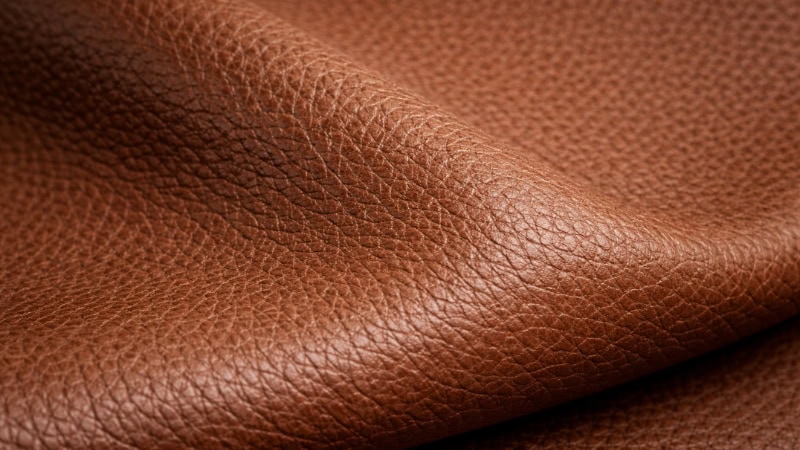
Goat leather is derived from goatskin and is known for its fine grain and lightweight nature. It is often favored for products that require flexibility without sacrificing strength.
- Natural Grain and Texture: Goat leather has a distinct pebbled grain that occurs naturally, giving it a refined and slightly glossy appearance. This texture helps hide scratches and minor wear over time.
- Lightweight Yet Strong: Despite being thinner than cow leather, goat leather offers impressive tensile strength. This balance makes it ideal for items that need durability without bulk.
- Softness and Flexibility: Goat leather feels soft to the touch and adapts quickly to movement, making it comfortable for wearable items.
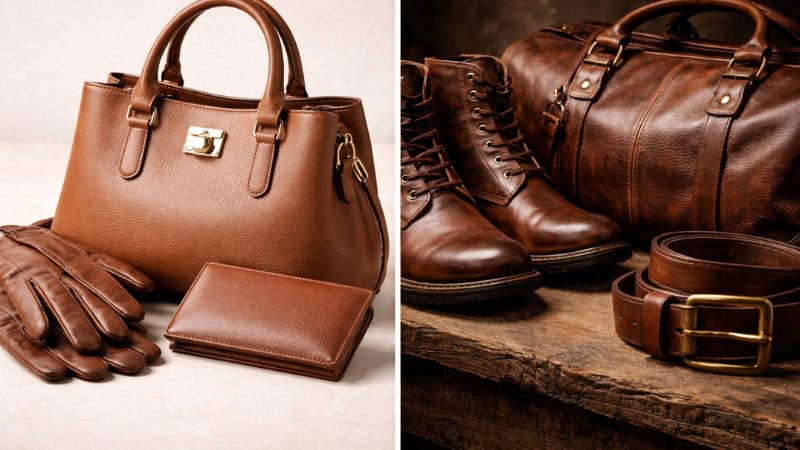
- Common Applications: It is widely used in gloves, wallets, handbags, bookbinding, and lightweight jackets.
Thanks to its versatility and comfort, goat leather often appeals to users seeking elegance and practicality, leading naturally to a comparison with its heavier counterpart, cow leather.
What Is Cow Leather?
Cow leather, made from cowhide, is one of the most widely used leathers in the world. It is valued for its thickness, durability, and ability to withstand heavy use.
- Thick and Robust Structure: Cow leather is generally thicker than goat leather, providing excellent resistance to abrasion and impact.
- Versatile Finishing Options: It can be processed into various finishes, from smooth and polished to rugged and textured, depending on the intended use.
- Long-Lasting Durability: This leather ages well, often developing a desirable patina that enhances its character over time.
- Common Applications: Cow leather is commonly used in shoes, belts, furniture, car upholstery, saddles, and heavy-duty bags.
Due to its strength and adaptability, cow leather is often chosen for demanding applications, making it essential to examine how it directly compares with goat leather.
Goat Leather vs Cow Leather: Key Differences
Although both are genuine leathers, goat leather and cow leather differ in several important aspects. These distinctions affect performance, comfort, and suitability for various products.
- Texture and Appearance: Goat leather has a naturally pebbled and uniform grain, while cow leather can vary widely depending on processing and finishing.
- Durability: Cow leather is generally more resistant to heavy wear, whereas goat leather excels in resisting cracking due to its natural lanolin content.
- Weight: Goat leather is lighter, making it preferable for portable or wearable items, while cow leather feels heavier and more substantial.
- Flexibility: Goat leather is more flexible and requires little break-in time, whereas cow leather can be stiffer initially.
- Breathability: Goat leather tends to be more breathable, enhancing comfort in warm climates.
Understanding these differences helps narrow down the best choice, which naturally leads to examining how each leather performs in maintenance and care.
Maintenance and Care Requirements
Proper care plays a crucial role in extending the lifespan of both goat leather and cow leather. However, their maintenance needs differ slightly.
- Cleaning: Goat leather is easier to clean due to its tight grain, often requiring only gentle wiping. Cow leather may need specialized cleaners, especially for thicker finishes.
- Moisture Resistance: Goat leather naturally resists moisture better, while cow leather benefits from conditioning to prevent water damage.
- Conditioning Needs: Cow leather requires regular conditioning to avoid drying and cracking. Goat leather retains natural oils longer.
- Longevity with Care: With proper maintenance, both leathers can last for years, though cow leather typically outlasts goat leather in rugged conditions.
Once care considerations are clear, cost becomes the next important factor influencing buyer decisions.
Cost Comparison and Value
The price difference between goat leather and cow leather often reflects their availability, processing, and end use.
- Raw Material Availability: Cowhides are more abundant, which can make cow leather more affordable in bulk.
- Processing Costs: Goat leather requires finer processing, often increasing its price for premium goods.
- Product Pricing: Goat leather products are commonly priced higher in fashion and luxury segments, while cow leather dominates mid-range and industrial markets.
- Value for Money: Goat leather offers excellent value for lightweight and stylish items, whereas cow leather provides long-term value for heavy-use products.
Beyond cost, modern consumers also consider sustainability, making environmental impact an important part of the comparison.
Sustainability and Environmental Impact
Sustainability is increasingly influencing leather choices across industries. Both goat and cow leather have environmental considerations worth noting.
- Byproduct Usage: Both leathers are typically byproducts of the meat industry, reducing material waste.
- Resource Consumption: Cow leather production generally requires more water and land due to the size of cattle.
- Longevity Factor: Longer-lasting products, often made from cow leather, can reduce replacement frequency and waste.
- Eco-Friendly Processing: Vegetable tanning and responsible sourcing can significantly reduce the environmental footprint of both leathers.
With sustainability in mind, the final choice often depends on how and where the leather will be used.

Best Uses: Which Leather Should You Choose?
Choosing between goat leather and cow leather depends largely on the intended application and personal preference.
- Choose Goat Leather If: You need lightweight, flexible, and breathable leather for fashion accessories or garments.
- Choose Cow Leather If: You require durability, structure, and resistance for footwear, furniture, or heavy-duty items.
- Comfort vs Strength: Goat leather prioritizes comfort, while cow leather emphasizes strength and longevity.
- Aesthetic Preference: Goat leather suits refined, elegant designs, whereas cow leather supports both classic and rugged styles.
After understanding usage scenarios, a concise pros and cons breakdown helps reinforce the decision.
Expanded Pros and Cons Summary
A deeper look at the advantages and limitations of goat leather and cow leather helps clarify why each material excels in specific situations. Understanding these points makes the final selection more practical and aligned with real-world use.
Goat Leather
Pros
- Lightweight Comfort: Goat leather is significantly lighter, making it ideal for wearable items like jackets, gloves, and handbags that require all-day comfort.
- Natural Flexibility: It bends and stretches easily without cracking, allowing products to retain shape while adapting to movement.
- Distinctive Grain Texture: The naturally pebbled grain enhances visual appeal and helps mask scratches and minor abrasions.
- Good Breathability: Its porous structure allows airflow, improving comfort in warm or humid climates.
- Natural Oil Content: Goat leather contains lanolin, which improves water resistance and reduces the need for frequent conditioning.
Cons
- Limited Heavy-Duty Use: It is not ideal for products exposed to extreme stress or abrasion.
- Smaller Hide Size: This limits large-scale or seamless product designs.
- Higher Cost in Premium Markets: Fine goat leather products can be comparatively expensive.
Cow Leather
Pros
- Exceptional Durability: Cow leather withstands heavy wear, making it suitable for footwear, furniture, and industrial use.
- Thick and Supportive Structure: Its firmness provides excellent shape retention and protection.
- Wide Availability: Large hides make it cost-effective and versatile for mass production.
- Ages Gracefully: Over time, it develops a rich patina that enhances character.
- Versatile Finishing Options: It can be processed into smooth, rugged, or textured styles.
Cons
- Heavier Weight: The thickness can feel bulky in wearable items.
- Stiffer Break-In Period: New cow leather often requires time to soften.
- Higher Maintenance Needs: Regular conditioning is necessary to prevent dryness.
With these expanded pros and cons in mind, the choice between goat leather and cow leather becomes clearer and more aligned with specific functional and aesthetic priorities.
FAQs
Is goat leather real leather?
Yes, goat leather is 100% genuine leather made from goatskin. It is known for its natural grain and durability. Despite being thinner, it is not synthetic or imitation leather.
Which leather lasts longer, goat or cow?
Cow leather generally lasts longer in heavy-use conditions. Goat leather, however, performs exceptionally well in lighter applications. Longevity ultimately depends on care and usage.
Is goat leather waterproof?
Goat leather is more water-resistant than many other leathers due to its natural oils. However, it is not fully waterproof. Prolonged exposure to water can still cause damage.
Which leather is better for bags?
Goat leather is ideal for lightweight and fashionable bags. Cow leather is better for large, structured, or travel bags. The choice depends on style and load requirements.
Is cow leather more expensive than goat leather?
Not always. Cow leather is often cheaper due to higher availability. Goat leather can be more expensive, especially in premium products.
Which leather is better for jackets?
Goat leather is preferred for lightweight, comfortable jackets. Cow leather is better for rugged or motorcycle jackets. Climate and mobility needs influence the decision.
Final Verdict: Goat Leather or Cow Leather?
Both goat leather and cow leather have distinct strengths that make them valuable in different contexts. Goat leather stands out for its lightness, flexibility, and refined appearance, making it perfect for fashion-forward and comfort-focused products.
Cow leather, on the other hand, excels in durability, structure, and long-term performance, especially in demanding environments. By considering usage, budget, and maintenance expectations, you can confidently choose the leather that best fits your needs and lifestyle.
