
Canvas and leather are two of the most widely used materials in fashion, accessories, and everyday utility products. Each has built a strong reputation over time, serving different needs, lifestyles, and aesthetic preferences. While canvas is often associated with practicality and casual use, leather is commonly linked to luxury and durability.
Choosing between canvas and leather is not just about appearance. Factors such as longevity, maintenance, comfort, cost, and environmental impact all play a crucial role in determining which material suits you best.
This article breaks down the differences between canvas and leather in a clear, practical way, helping you make an informed decision based on how and where you plan to use the product.
What Is Canvas?
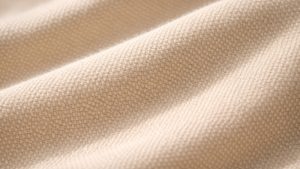
Canvas is a tightly woven fabric traditionally made from cotton or linen, though modern versions may include synthetic fibers for added strength. Known for its lightweight and breathable nature, canvas has long been used for practical and outdoor-focused products.
- Material composition: Canvas is typically derived from natural fibers like cotton, making it flexible and breathable, though synthetic blends can improve water resistance and durability.
- Types of canvas: Common variations include plain canvas, duck canvas (heavier and stronger), and waxed canvas, which offers better resistance to moisture and wear.
- Common applications: Canvas is widely used in backpacks, tote bags, sneakers, tents, aprons, and upholstery due to its affordability and adaptability.
Canvas stands out for its casual appeal and functionality, making it a favorite for everyday use and outdoor activities. To understand how it compares to a more premium option, it’s important to explore what leather brings to the table next.
What Is Leather?
Leather is a natural material made from animal hides, most commonly cowhide, that undergoes a tanning process to enhance durability and prevent decomposition. It has been valued for centuries for its strength, texture, and timeless appeal.
- Types of leather: Full-grain leather is the highest quality, retaining the natural grain, while top-grain leather is slightly refined. Genuine and bonded leather are more processed and less durable.
- Texture and feel: Leather offers a smooth, rich texture that softens over time, molding to use and developing a unique patina.
- Common uses: Leather is frequently found in shoes, jackets, handbags, belts, wallets, furniture, and car interiors.
Leather’s premium look and long lifespan make it a popular choice for high-end and long-term investments. However, durability is a key comparison point, which brings us to how canvas and leather perform over time.
Durability and Longevity
Durability is often the deciding factor when choosing between canvas and leather, especially for frequently used items. Both materials perform well, but in different ways and conditions.
- Canvas durability: Heavy-duty canvas is resistant to tearing and performs well under rough use, particularly in outdoor or travel settings. However, it may wear down faster with constant friction.
- Leather durability: High-quality leather is exceptionally long-lasting and can endure decades of use when properly cared for, often improving in appearance over time.
- Environmental resistance: Canvas handles dirt and abrasion well, while leather is more sensitive to moisture and extreme heat without treatment.
While canvas excels in rugged, short-to-medium-term use, leather often wins in long-term durability. Comfort and flexibility also play a role in daily usability, which is worth examining next.
Comfort and Flexibility
Comfort is essential, especially for items like shoes, bags, or jackets that are worn for long periods. Canvas and leather offer very different comfort experiences.
- Canvas comfort: Canvas is lightweight and breathable, making it ideal for warm climates and extended wear. It doesn’t trap heat and feels soft right away.
- Leather comfort: Leather starts off stiff but gradually molds to the user’s body, creating a custom fit over time that many people find superior.
- Flexibility over time: Canvas maintains consistent flexibility, while leather becomes more flexible as it breaks in.
Your comfort preference may depend on whether you value immediate ease or long-term adaptability. Maintenance requirements also differ significantly, which can influence your final decision.
Maintenance and Care
How much effort you’re willing to put into upkeep can heavily influence your choice between canvas and leather. Each material demands a different level of care.
- Canvas maintenance: Canvas is relatively low-maintenance and often machine-washable, depending on the product. Stains are easier to manage, though repeated washing can weaken fibers.
- Leather maintenance: Leather requires regular conditioning, protection from moisture, and careful cleaning to prevent cracking or discoloration.
- Long-term upkeep: While canvas is easier day-to-day, leather maintenance preserves its value and appearance for many years.
Maintenance may seem minor at first, but it directly affects appearance and lifespan. Style and visual appeal are equally important, especially for fashion-focused purchases.

Style and Aesthetic Appeal
Visual appeal often plays a major role when choosing materials, especially for fashion and lifestyle products. Canvas and leather project very different styles.
- Canvas style: Canvas offers a relaxed, casual, and utilitarian look that fits well with everyday and outdoor aesthetics.
- Leather style: Leather conveys sophistication, professionalism, and luxury, making it suitable for formal or premium settings.
- Aging process: Canvas tends to fade and fray, while leather develops a rich patina that many consider more attractive with age.
Your personal style and the context in which you’ll use the item can help guide this choice. Beyond looks, ethical and environmental considerations are increasingly important to many buyers.
Environmental and Ethical Considerations
Sustainability is a growing concern, and the environmental impact of materials can influence purchasing decisions.
- Canvas sustainability: Natural canvas made from cotton or linen is biodegradable, though farming practices and water use can raise concerns.
- Leather ethics: Leather production involves animal products and chemical tanning processes, which raise ethical and environmental questions.
- Alternatives: Vegan leather and recycled canvas are emerging options for eco-conscious consumers.
Balancing ethics, sustainability, and performance can be challenging, which is why cost and value are also key factors to consider.
Cost and Value for Money
Price often reflects material quality, but value goes beyond the initial cost. Canvas and leather differ significantly in this regard.
- Canvas cost: Canvas products are generally affordable, making them accessible and ideal for frequent replacement or casual use.
- Leather cost: Leather items are more expensive upfront but often justify the price with longevity and timeless appeal.
- Overall value: Canvas offers short-term savings, while leather provides long-term value when maintained well.
Understanding cost helps narrow your options, but real-world usage scenarios can make the decision even clearer.

Use-Case Comparison
The best material often depends on how and where you plan to use the product. Different scenarios favor different strengths.
- Bags and backpacks: Canvas suits travel and casual use, while leather works better for professional settings.
- Shoes and jackets: Canvas is lighter and breathable, whereas leather offers protection and durability.
- Furniture and accessories: Leather excels in premium interiors, while canvas fits relaxed or minimalist spaces.
Matching the material to its intended use ensures satisfaction and longevity. To simplify things further, a quick pros and cons overview helps tie it all together.
Leather & Canvas Pros and Cons Summary
Understanding the strengths and weaknesses of canvas and leather side by side helps clarify which material aligns best with your needs. While both are reliable and widely used, they excel in different areas depending on usage, budget, and personal preference.
Canvas: Pros and Cons
Pros
- Lightweight and breathable: Canvas is comfortable for daily use, especially in warm climates, as it allows air circulation and doesn’t feel heavy or restrictive.
- Affordable and accessible: Canvas products are generally budget-friendly, making them ideal for students, travelers, or anyone seeking functional items without a high upfront cost.
- Easy maintenance: Most canvas items can be spot-cleaned or washed, making them convenient for active lifestyles and frequent use.
- Versatile and practical: Canvas works well for casual wear, outdoor activities, and utility-focused products like backpacks, totes, and workwear.
Cons
- Shorter lifespan: Compared to leather, canvas tends to wear out faster, especially under constant friction or heavy loads.
- Limited premium appeal: Canvas lacks the refined, luxurious look many people associate with professional or formal settings.
- Aging aesthetics: Over time, canvas may fade, stain, or fray, which not everyone finds visually appealing.
Leather: Pros and Cons
Pros
- Exceptional durability: High-quality leather can last for decades when properly maintained, making it a long-term investment rather than a disposable purchase.
- Timeless and premium appearance: Leather’s natural grain and rich texture give it a sophisticated look that works well in both fashion and professional environments.
- Ages gracefully: Leather develops a unique patina over time, often enhancing its character and appeal rather than diminishing it.
- Strong and protective: Leather offers better resistance to stretching, tearing, and impact, especially for footwear, jackets, and bags.
Cons
- Higher cost: Leather products require a significant upfront investment, which may not suit every budget.
- Regular maintenance required: Conditioning, cleaning, and moisture protection are necessary to keep leather in good condition.
- Ethical and environmental concerns: Leather production involves animal hides and chemical processing, which may be a drawback for eco-conscious or vegan consumers.
FAQs
-
Is canvas more durable than leather?
Canvas is durable for everyday and outdoor use, but leather generally lasts longer over time. High-quality leather can withstand decades of wear with proper care. Canvas may wear out sooner under constant friction.
-
Which material is better for everyday bags?
Canvas is better for casual, lightweight, and travel-friendly bags. Leather is more suitable for professional or formal settings. Your daily routine and style should guide the choice.
-
Does leather require a lot of maintenance?
Yes, leather needs regular conditioning and protection from moisture. This upkeep helps maintain its appearance and prevents cracking. Canvas requires significantly less effort.
-
Is canvas environmentally friendly?
Canvas made from natural fibers can be eco-friendly, but production methods matter. Organic or recycled canvas is a more sustainable option. Synthetic blends reduce biodegradability.
-
Which material is better for hot climates?
Canvas is more breathable and comfortable in warm weather. Leather can trap heat, especially when worn for long periods. This makes canvas preferable for summer use.
-
Does leather age better than canvas?
Leather develops a patina that many find attractive over time. Canvas tends to fade and fray instead. Aging is often seen as a strength for leather products.
Canvas vs Leather: Making the Right Choice
Choosing between canvas and leather ultimately depends on your lifestyle, budget, and personal values. Canvas is practical, affordable, and easy to live with, making it ideal for casual and outdoor use. Leather, on the other hand, offers durability, elegance, and long-term value that appeals to those seeking a premium feel.
By understanding how each material performs in real-world conditions, you can confidently select the option that aligns with your needs and expectations.
