
Mushroom leather is rapidly emerging as one of the most innovative alternatives to traditional animal leather, driven by growing demand for sustainable, cruelty-free materials. As industries like fashion, automotive, and design shift toward eco-conscious production, this bio-based material is gaining serious attention.
Unlike synthetic vegan leather made from plastics, mushroom leather is derived from mycelium—the root-like structure of fungi—offering a biodegradable and environmentally responsible solution. In this article, we’ll explore what mushroom leather is, how it’s made, its benefits, and how it compares to other materials.
What Is Mushroom Leather?
Mushroom leather refers to a biofabricated material made from mycelium, designed to replicate the look, feel, and durability of traditional leather. It is cultivated rather than manufactured in the conventional sense, making it a key innovation in sustainable biomaterials.
Mycelium-Based Material Explanation: Mycelium is the underground network of fungi that functions similarly to plant roots. When grown under controlled conditions, these fungal fibers form dense, interwoven structures that can be processed into a leather-like material. This natural binding property allows mycelium to be shaped into sheets without the need for heavy synthetic additives.
Biotechnology and Biomaterials Context: Mushroom leather sits at the intersection of biotechnology and material science. Instead of relying on livestock or petroleum-based polymers, it uses organic growth processes to create a durable surface. This positions it as a leading example of lab-grown materials that align with circular economy principles.
Comparison with Traditional Leather: Unlike cowhide leather, which requires animal farming and chemical tanning, mushroom leather is grown using minimal resources. It eliminates ethical concerns about animal use while significantly reducing environmental impact.
How Mushroom Leather Is Made
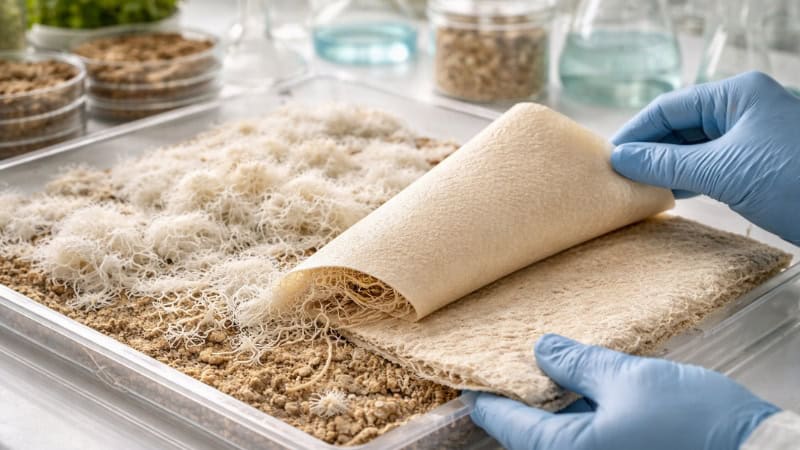
Mushroom leather is produced through a biofabrication process that transforms agricultural waste into a usable material. This process is both efficient and scalable, making it attractive for sustainable manufacturing.
Growing Mycelium on Agricultural Waste: The process begins by feeding mycelium with organic substrates such as sawdust, corn husks, or other agricultural byproducts. In a controlled environment with regulated temperature and humidity, the mycelium grows rapidly, forming a thick, foam-like structure within days.
Controlled Environment and Growth Optimization: Manufacturers carefully manage growth conditions to influence texture, density, and strength. This level of precision allows companies to tailor the material for different applications, from soft fashion textiles to more rigid surfaces used in accessories.
Harvesting and Processing the Material: Once the desired thickness is achieved, the mycelium mat is harvested and treated to stop further growth. It is then compressed, dried, and finished using eco-friendly techniques to enhance durability and appearance.
Industry Innovators and Technologies: Companies like MycoWorks and Bolt Threads have pioneered proprietary methods to refine mycelium into high-performance materials such as Reishi and Mylo. These innovations demonstrate how biotechnology can be applied to create scalable, sustainable alternatives to conventional leather.
Benefits of Mushroom Leather
Mushroom leather offers a range of advantages that align with modern sustainability goals while still meeting performance expectations.
Environmental Impact and Carbon Footprint: One of the most significant benefits is its low environmental impact and carbon footprint. Compared to traditional leather, mushroom leather requires less water, produces fewer greenhouse gas emissions, and avoids the toxic chemicals often used in tanning processes. Its reliance on agricultural waste also contributes to resource efficiency.
Biodegradable and Circular Economy Advantages: As a natural biomaterial, mushroom leather is biodegradable under the right conditions. This makes it compatible with circular economy models, where materials are designed to return safely to the environment after use, reducing long-term waste.
Cruelty-Free and Ethical Material: Unlike animal leather, mushroom leather is entirely cruelty-free. It eliminates the need for livestock farming, which is often associated with ethical concerns and environmental degradation.
Performance: Lightweight and Durable Properties: Despite being bio-based, mushroom leather can be engineered to be durable and flexible. Its lightweight nature makes it suitable for fashion and accessories, while ongoing innovations continue to improve its strength and longevity.
Mushroom Leather vs Traditional Leather
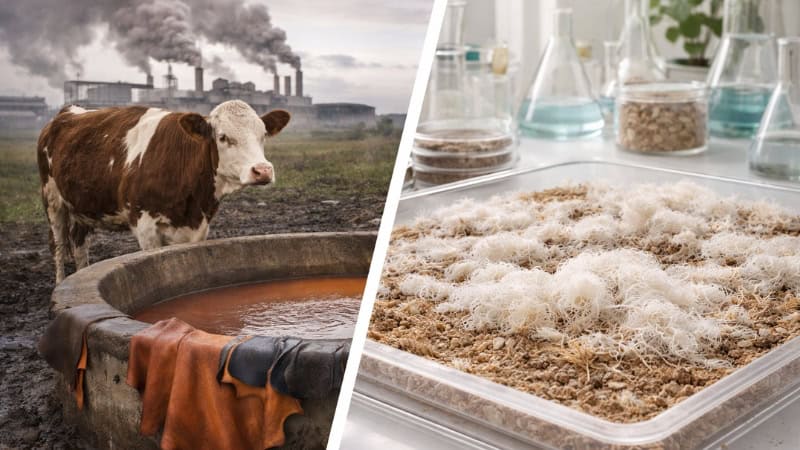
As consumers evaluate sustainable alternatives, understanding how mushroom leather compares to traditional leather is essential. This comparison highlights differences in environmental impact, durability, and overall practicality.
Material Source and Production Process: Traditional leather is derived from animal hides, primarily cowhide, and requires resource-intensive livestock farming. In contrast, mushroom leather is grown from mycelium using agricultural waste, eliminating the need for animal agriculture and significantly reducing environmental strain.
Environmental Impact and Resource Use: The tanning process used in conventional leather production often involves toxic chemicals and high water consumption. Mushroom leather, however, is produced with minimal water usage and avoids harmful substances, resulting in a lower carbon footprint and reduced greenhouse gas emissions.
Durability and Performance Comparison: While traditional leather is known for its long lifespan, mushroom leather is rapidly improving in terms of strength and resilience. Advances in biofabrication are enabling manufacturers to create materials that closely mimic the durability and flexibility of animal leather.
Cost and Accessibility Factors: Currently, mushroom leather tends to be more expensive due to limited scalability and emerging production technologies. However, as adoption increases and manufacturing processes improve, costs are expected to become more competitive.
Mushroom Leather vs Synthetic (PU/PVC) Leather
While synthetic leather alternatives are widely available, they come with environmental trade-offs that mushroom leather aims to solve. Understanding these differences helps position mycelium leather within the broader landscape of vegan leather.
Petroleum-Based Materials vs Bio-Based Innovation: PU (polyurethane) and PVC (polyvinyl chloride) leather are derived from fossil fuels, making them non-renewable and environmentally harmful. Mushroom leather, by contrast, is a bio-based material grown from natural fungal networks, offering a renewable alternative.
Microplastics and Environmental Concerns: Synthetic leather can release microplastics over time, contributing to long-term environmental pollution. Mushroom leather does not rely on plastic polymers, reducing the risk of microplastic contamination and supporting cleaner ecosystems.
Breathability and Material Performance: Mushroom leather tends to be more breathable and adaptable than plastic-based alternatives. This enhances comfort in applications like footwear and clothing, where airflow and flexibility are important.
Companies & Real-World Applications
The rise of mushroom leather is not just theoretical—it is already being adopted by major brands and innovators across industries. These real-world applications strengthen its credibility and market relevance.
Leading Companies in Mycelium Leather Innovation: Companies like Bolt Threads and MycoWorks are at the forefront of this space. Bolt Threads developed Mylo, a flexible material used by brands like Adidas and Stella McCartney, while MycoWorks produces Reishi, a premium mycelium leather known for its fine texture and strength.
Adoption by Global Fashion Brands: Major fashion companies, including Lululemon and Stella McCartney, have incorporated mushroom leather into their product lines. This signals growing trust in the material’s performance and sustainability credentials.
Applications Across Industries: Beyond fashion, mushroom leather is being explored in automotive interiors, furniture design, and accessories. Its versatility makes it suitable for a wide range of use cases, from handbags to upholstery.
Limitations & Challenges
Despite its promise, mushroom leather still faces several challenges that impact its widespread adoption. A balanced understanding of these limitations is essential for an accurate evaluation.
Scalability and Production Constraints: One of the main challenges is scaling production to meet global demand. While the growth process is efficient, infrastructure and technology limitations currently restrict large-scale manufacturing.
Cost Barriers and Market Accessibility: Due to its emerging nature, mushroom leather is often more expensive than both traditional and synthetic alternatives. This can limit accessibility for mass-market consumers.
Durability Perception and Testing: Although advancements are improving material strength, long-term durability data is still evolving. Consumers and manufacturers alike are assessing how mushroom leather performs over extended periods.
Future of Mushroom Leather
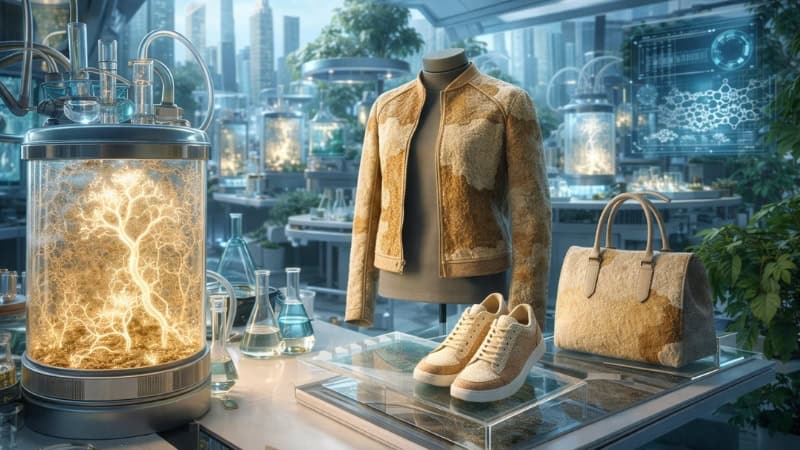
The future of mushroom leather is closely tied to advancements in material science and the global push toward sustainability. As innovation continues, its role in multiple industries is expected to expand significantly.
Advancements in Biofabrication Technology: Ongoing biotechnology research is improving the quality, consistency, and scalability of mycelium-based materials. These advancements are likely to reduce costs and enhance performance.
Alignment with Sustainability Goals: As governments and industries adopt stricter environmental standards, mushroom leather aligns well with sustainability targets. Its low carbon footprint and biodegradability make it a strong candidate for future adoption as a material.
Growing Demand for Sustainable Materials: Consumer preferences are shifting toward eco-conscious products, driving demand for alternatives like mushroom leather. This trend is expected to accelerate innovation and investment in the field.
Frequently Asked Questions About Mushroom Leather
Is mushroom leather durable?
Mushroom leather is designed to be durable and flexible, with ongoing improvements in strength through advanced biofabrication techniques. While it may not yet fully match the lifespan of high-quality cowhide leather, it performs well for most fashion and accessory applications.
Is mushroom leather waterproof?
Mushroom leather is naturally water-resistant but not fully waterproof unless treated with additional finishing processes. Manufacturers often apply eco-friendly coatings to enhance moisture resistance.
Is mushroom leather better than vegan leather?
Mushroom leather is considered a superior form of vegan leather because it is bio-based rather than plastic-based. Unlike PU or PVC leather, it does not rely on petroleum and does not contribute to microplastic pollution.
How long does mushroom leather last?
The lifespan of mushroom leather depends on its processing and usage. With proper care, it can last several years, especially in products like bags, footwear, and accessories.
Is Mushroom Leather the Future of Sustainable Materials?
Mushroom leather represents a significant step forward in the evolution of sustainable materials, combining biotechnology with practical design applications. By leveraging mycelium, this innovative material offers a compelling alternative to both animal leather and synthetic options.
As advancements continue and production scales up, mushroom leather is likely to play a key role in shaping the future of eco-friendly fashion and materials science. For consumers and industries alike, it offers a promising path toward more responsible and sustainable choices.