
Vegetable-tanned leather and chrome-tanned leather differ primarily in the tanning process, chemicals used, durability, aging characteristics, environmental impact, and ideal applications. Vegetable tanning uses natural tannins extracted from tree bark, leaves, and plant matter, while chrome tanning relies on chromium salts to stabilize animal hides quickly and efficiently.
In simple terms: vegetable-tanned leather is traditional, firm, and develops a rich patina over time, whereas chrome-tanned leather is softer, more flexible, water-resistant, and faster to produce.
The tanning method directly influences how leather looks, feels, performs, and ages. It also affects sustainability, price, maintenance requirements, and suitability for products like boots, wallets, belts, jackets, upholstery, and luxury leather goods.
Today, over 80–90% of global leather production uses chrome tanning due to its speed and scalability. However, vegetable-tanned leather remains highly valued in craftsmanship, heritage brands, and premium full-grain leather goods.
If you’re deciding between vegetable-tanned vs chrome-tanned leather, this guide will help you understand:
- The leather tanning process in detail
- Durability and aging differences
- Environmental and sustainability factors
- Cost comparison
- Best use cases
- How to identify each type
By the end, you’ll know exactly which leather type fits your needs.

What Is Vegetable-Tanned Leather?
Definition & Traditional Leather Tanning Process
Vegetable-tanned leather is produced using natural tannins derived from plant sources such as oak bark, chestnut wood, mimosa, and quebracho trees. These organic tannins bind to collagen fibers in raw animal hides, stabilizing them and transforming them into durable leather.
Unlike modern industrial methods, the vegetable tanning process is slow and meticulous. It can take several weeks to months, depending on thickness and desired firmness. This traditional method dates back thousands of years and remains central to artisan leather production, particularly in regions like Tuscany, Italy — known globally for high-quality vegetable-tanned leather.
Key Characteristics of Vegetable-Tanned Leather
Vegetable-tanned leather has a distinct personality. It is:
One of its most prized qualities is patina development. Exposure to sunlight, oils from your hands, moisture, and daily use darkens the leather, creating a unique aging effect that enhances aesthetic appeal.
Because it contains no synthetic chemicals or chromium salts, vegetable-tanned leather often has a natural, earthy scent and is preferred by brands marketing eco-friendly leather products.
Pros and Cons of Vegetable-Tanned Leather
Pros:
- Develops a beautiful patina
- Extremely durable when properly maintained
- Ideal for tooling, carving, and embossing
- Considered more sustainable and biodegradable
- Ages gracefully over decades
Cons:
- More expensive due to longer production time
- Less water-resistant than chrome-tanned leather
- Can feel stiff initially
- More sensitive to moisture and staining
Vegetable-tanned leather is commonly used in premium belts, wallets, saddlery, heritage boots, and handcrafted leather goods where aging and craftsmanship matter more than softness.

What Is Chrome-Tanned Leather?
Chromium Salt Tanning Process Explained
Chrome-tanned leather is produced using chromium salts, most commonly chromium sulfate, to stabilize and preserve animal hides. Developed in the mid-19th century, chrome tanning revolutionized the leather industry by drastically reducing processing time from months to just 24–48 hours.
The chromium salts penetrate the hide quickly, binding to collagen fibers and making the leather heat-resistant, flexible, and more water-resistant than vegetable-tanned leather.
Today, chrome tanning accounts for the vast majority of global leather production due to its efficiency, consistency, and scalability.
Key Characteristics of Chrome-Tanned Leather
Chrome-tanned leather is known for being:
- Soft and supple
- Lightweight and flexible
- Available in a wide variety of colors
- More water-resistant
- Uniform in textur
Unlike vegetable-tanned leather, chrome-tanned leather does not develop a strong patina. Instead, it maintains a relatively consistent appearance over time.
Its flexibility makes it ideal for garments, upholstery, handbags, and sneakers where comfort and softness are essential.
Pros and Cons of Chrome-Tanned Leather
Pros:
- Faster production cycle
- Lower cost
- Soft and comfortable from day one
- Better resistance to moisture
- Wide color customization
Cons:
- Less biodegradable
- Environmental concerns if wastewater is poorly managed
- Does not develop deep patina
- Can feel less “natural” compared to vegetable tanning
It’s important to clarify that chrome-tanned leather is still real leather. The difference lies only in the tanning chemistry, not authenticity.
Modern regulations and certifications like the Leather Working Group (LWG) ensure responsible chromium waste management in reputable tanneries.
Vegetable-Tanned vs Chrome-Tanned Leather: Side-by-Side Comparison
To understand the practical differences between vegetable-tanned and chrome-tanned leather, here’s a direct comparison:
| Feature | Vegetable-Tanned Leather | Chrome-Tanned Leather |
| Tanning Agent | Natural plant tannins | Chromium salts |
| Processing Time | Weeks to months | 1–3 days |
| Texture | Firm, structured | Soft, flexible |
| Patina Development | Strong patina over time | Minimal patina |
| Water Resistance | Moderate to low | High |
| Environmental Impact | More biodegradable | Higher chemical impact |
| Cost | Premium pricing | Generally affordable |
| Best For | Wallets, belts, boots | Jackets, bags, upholstery |
Key Differences Explained
Durability: Vegetable-tanned leather is denser and can last decades when maintained properly. Chrome-tanned leather is also durable but prioritizes flexibility.
Aging: Vegetable leather darkens and develops character. Chrome leather remains more consistent in appearance.
Comfort: Chrome-tanned leather is softer immediately. Vegetable leather softens gradually with use.
Sustainability: Vegetable tanning avoids heavy metals, but both methods require responsible waste management.
Choosing between them depends on whether you value heritage craftsmanship and aging or comfort, color variety, and water resistance.
Continuing the full SEO-optimized article below, following the proportional word allocation and maintaining structured clarity, semantic depth, and featured snippet readiness.
Which Leather Is More Durable?
When comparing vegetable-tanned vs chrome-tanned leather durability, both are strong — but they perform differently over time.
Vegetable-tanned leather is often considered more structurally durable because of its dense fiber composition. The slow tanning process allows natural tannins to bind deeply with collagen fibers, resulting in a firm, thick leather that can last decades. This is why high-end belts, saddlery, and heritage boots often use vegetable-tanned full-grain leather.
Chrome-tanned leather, on the other hand, prioritizes flexibility and moisture resistance. While it may not harden and mold as dramatically as vegetable leather, it resists cracking in environments where softness and movement are required — such as jackets, handbags, and upholstery.
In practical terms:
- For rigid goods (belts, structured wallets, tool sheaths): vegetable-tanned leather often lasts longer.
- For flexible goods (garments, sofas, soft bags): chrome-tanned leather maintains integrity better.
Featured snippet takeaway:
Vegetable-tanned leather typically offers greater structural longevity, while chrome-tanned leather provides superior flexibility and moisture resistance, making durability dependent on intended use.
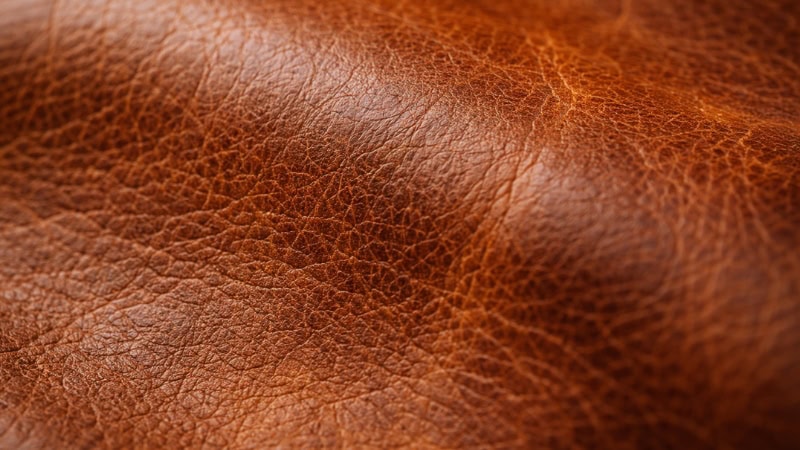
Environmental Impact: Is Vegetable-Tanned Leather More Sustainable?
Sustainability is one of the biggest deciding factors in the vegetable-tanned vs chrome-tanned leather debate.
Biodegradability & Natural Tannins
Vegetable-tanned leather uses plant-based tannins and avoids heavy metals, making it more biodegradable under appropriate disposal conditions. This often positions it as the more eco-friendly leather option, especially among sustainable fashion brands.
However, vegetable tanning still requires significant water usage and energy. “Natural” does not automatically mean zero environmental impact.
Chromium Salts & Environmental Concerns
Chrome tanning uses chromium sulfate, which is safe when handled correctly. The environmental risk arises when wastewater is poorly managed, potentially forming hexavalent chromium (Chromium VI), a toxic compound.
Reputable tanneries mitigate this risk through:
- Closed-loop water systems
- Strict wastewater treatment
- Compliance with environmental standards
- Certifications such as Leather Working Group (LWG)
Today, many chrome-tanning facilities operate under regulated environmental frameworks, reducing historical pollution concerns.
Which Is More Sustainable?
The answer is nuanced.
- Vegetable-tanned leather is generally more biodegradable.
- Chrome-tanned leather can be responsibly produced at scale with modern compliance.
- Longevity also impacts sustainability — longer-lasting leather reduces waste.
Best Uses: When to Choose Vegetable-Tanned vs Chrome-Tanned Leather
The best leather type depends entirely on the product and your priorities.
Best Uses for Vegetable-Tanned Leather
Vegetable-tanned leather is ideal when structure, aging, and craftsmanship matter most. Common applications include:
- Premium wallets
- Belts
- Saddlery
- Watch straps
- Heritage boots
- Hand-tooled leather goods
Because it develops patina and molds to the user over time, it’s often chosen for long-term investment pieces.

Best Uses for Chrome-Tanned Leather
Chrome-tanned leather excels where softness, color variation, and water resistance are essential. It’s widely used for:
- Leather jackets
- Sneakers
- Fashion handbags
- Upholstery
- Automotive interior
Its flexibility makes it more comfortable immediately, requiring less break-in time.
Quick Decision Guide
Choose vegetable-tanned leather if you value:
- Patina development
- Natural aesthetics
- Long-term aging characte
Choose chrome-tanned leather if you prioritize:
- Softness and flexibility
- Water resistance
- Lower upfront cost
Matching leather type to function ensures better performance and satisfaction.
How to Identify Vegetable-Tanned vs Chrome-Tanned Leather
If a product label doesn’t specify the tanning method, you can often identify it through simple observations.
1. Smell Test
Vegetable-tanned leather has a natural, earthy scent. Chrome-tanned leather smells more neutral or chemical-treated.
2. Edge Color Inspection
Cut edges of vegetable-tanned leather usually appear light brown or natural. Chrome-tanned leather edges often show a grayish or bluish tint due to chromium salts.
3. Flexibility Check
Vegetable leather feels firmer and stiffer initially. Chrome leather bends easily and feels soft from the start.
4. Water Absorption Test
A small drop of water darkens vegetable-tanned leather quickly. Chrome-tanned leather resists absorption longer.
5. Ask the Manufacturer
Reputable brands typically disclose tanning methods, especially if marketing eco-friendly or heritage craftsmanship.
These steps can help you distinguish between tanning processes without specialized testing.
Price Comparison: Why Is Vegetable-Tanned Leather More Expensive?
Vegetable-tanned leather typically costs more than chrome-tanned leather due to several economic factors.
Longer Production Time
Vegetable tanning takes weeks or months, increasing labor and storage costs. Chrome tanning completes within days.
Labor-Intensive Craftsmanship
Many vegetable-tanned products are made by small artisan workshops rather than mass-production factories.
Raw Material & Supply Chain
Plant tannins and traditional tanning pits require more space and time. Chrome tanning is more industrialized and scalable.
Yield Efficiency
Chrome tanning allows higher production volumes with consistent quality, lowering per-unit costs.
However, higher upfront cost does not always mean better value. Vegetable-tanned leather often lasts decades, potentially offering better long-term cost efficiency.
Consumers should consider durability, maintenance, and intended use rather than price alone.
Common Myths About Vegetable and Chrome-Tanned Leather
Myth 1: Chrome-Tanned Leather Is Fake
False. Chrome-tanned leather is genuine leather. The tanning method does not affect authenticity.
Myth 2: Vegetable-Tanned Leather Is 100% Eco-Friendly
Not entirely. While it avoids chromium salts, it still requires water, energy, and livestock farming — all of which carry environmental impact.
Myth 3: Chrome-Tanned Leather Doesn’t Last
Incorrect. High-quality chrome-tanned full-grain leather can last many years when properly maintained.
Myth 4: Vegetable Leather Is Always Better
It depends on the use case. For jackets or upholstery, chrome-tanned leather may outperform vegetable-tanned leather.
Understanding these nuances builds informed purchasing decisions rather than relying on marketing claims.
Frequently Asked Questions (Optimized for PAA & Featured Snippets)
Is vegetable-tanned leather waterproof?
No. Vegetable-tanned leather is not naturally waterproof. It absorbs moisture more easily than chrome-tanned leather but can be treated with conditioners or waxes for added resistance.
Is chrome-tanned leather real leather?
Yes. Chrome-tanned leather is genuine leather. The difference lies only in the tanning chemicals used, not the authenticity of the material.
Which leather develops patina?
Vegetable-tanned leather develops a rich patina over time due to oxidation, sunlight exposure, and natural oils from handling.
Does chrome-tanned leather crack?
It can crack if poorly maintained, but high-quality chrome-tanned leather is flexible and resistant to drying when properly conditioned.
Which leather is more durable for boots?
For structured heritage boots, vegetable-tanned leather often provides long-term durability. For lightweight or water-resistant boots, chrome-tanned leather may perform better.
Expert Verdict: Which Leather Should You Choose?
There is no universal “better” leather — only better choices for specific needs.
Choose vegetable-tanned leather if you:
- Value natural aging and patina
- Prefer traditional craftsmanship
- Want structured, long-lasting goods
- Prioritize biodegradabilit
Choose chrome-tanned leather if you:
- Want softness and comfort immediately
- Need water resistance
- Prefer a wider color selection
- Have a lower budget
From an expert standpoint, both tanning methods produce high-quality leather when sourced responsibly. The best decision balances durability, sustainability, function, and personal preference.
Final Thoughts: Vegetable-Tanned vs Chrome-Tanned Leather in 2026
As sustainability, transparency, and craftsmanship gain importance in 2026, consumers are becoming more informed about leather tanning methods.
Vegetable-tanned leather continues to thrive in heritage and luxury markets due to its natural patina and long-term durability. Meanwhile, chrome-tanned leather remains dominant in global production thanks to its efficiency, softness, and versatility.
Rather than asking which leather is better, the smarter question is: Which leather is better for your intended use?
When responsibly produced, both vegetable-tanned and chrome-tanned leather can deliver exceptional quality, performance, and longevity.
Understanding the tanning process empowers you to choose leather goods that align with your values, lifestyle, and long-term expectations.
