
Leather alternatives are everywhere today—from handbags and shoes to jackets and sofas. As more people look for animal-free and affordable options, terms like vegan leather and pleather are used almost interchangeably, even though they don’t always mean the same thing.
At first glance, both materials seem to solve the same problem: offering the look of leather without using animal hides. But when you look closer, the materials, impact, and quality can differ significantly.
Understanding these differences matters, especially if you care about sustainability, durability, or ethical fashion. In this article, we’ll break down vegan leather vs. pleather in simple terms, so you can make more informed choices as you shop or research leather alternatives.
Next, let’s start by clearly defining what vegan leather actually is and what materials go into making it.
What Is Vegan Leather?
Vegan leather is an umbrella term for leather alternatives made without animal hides. While many people assume it’s always plant-based, the reality is more nuanced and depends on the materials used.
- Materials used in vegan leather
Vegan leather can be made from innovative plant sources like pineapple leaves (Piñatex), apple peels, cactus, or mushroom mycelium. Some versions also include bio-based or recycled plastics to improve durability and texture. - How it’s made
Plant fibers or bio-materials are processed, bonded, and coated to mimic the look and feel of real leather. The goal is to balance flexibility, strength, and aesthetics while reducing reliance on animals. - Key characteristics
Vegan leather often feels softer and lighter than traditional leather. Quality varies widely, but premium versions can closely resemble genuine leather in appearance.
As you’ll see next, pleather takes a different route altogether when it comes to materials and manufacturing.
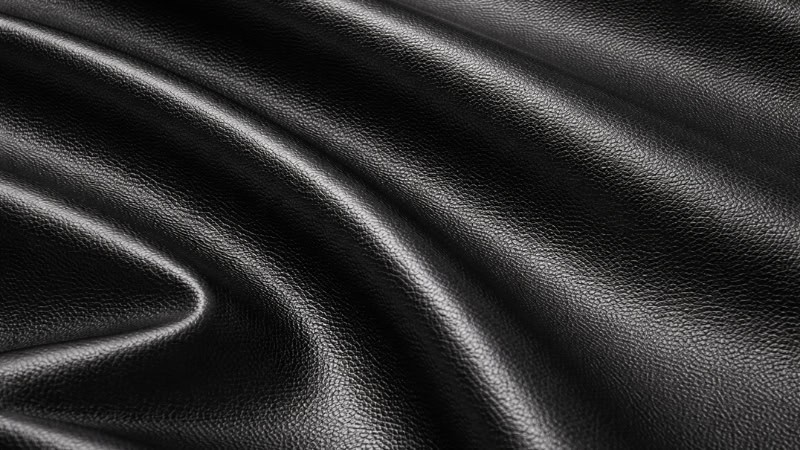
What Is Pleather?
Pleather, short for “plastic leather,” is one of the earliest and most common leather substitutes on the market. It’s widely used due to its low cost and consistent performance.
- Materials used in pleather
Pleather is typically made from synthetic plastics like polyurethane (PU) or polyvinyl chloride (PVC). These materials are petroleum-based and not biodegradable. - Manufacturing process
A plastic coating is applied to a fabric backing, then textured and dyed to resemble leather. This makes pleather easy to mass-produce and uniform in quality. - Common uses
You’ll often find pleather in fast-fashion items, budget furniture, and accessories where affordability matters more than longevity.
While pleather checks the “animal-free” box, its environmental footprint raises important questions—which leads us to the key differences between the two.
Key Differences Between Vegan Leather and Pleather
Although they’re often grouped together, vegan leather and pleather differ in meaningful ways that affect sustainability, quality, and price.
- Materials
Vegan leather may use plant-based or bio-based inputs, while pleather relies almost entirely on plastic. This distinction plays a big role in environmental impact. - Environmental impact
Plant-based vegan leathers generally have a lower carbon footprint and less reliance on fossil fuels. Pleather, especially PVC, can release harmful chemicals and microplastics over time. - Durability and feel
Pleather is water-resistant but tends to crack or peel as it ages. High-quality vegan leather can age better, though durability varies by brand and material. - Cost and accessibility
Pleather is usually cheaper and easier to find. Vegan leather often costs more due to innovation and smaller-scale production.
To simplify things further, let’s look at the pros and cons of each side by side.
Pros and Cons Overview
Both materials have strengths and weaknesses, and understanding them helps match the material to your needs.
Vegan Leather
- Pros
Ethically animal-free, potential for lower environmental impact, and often higher-end aesthetics. Plant-based versions are especially appealing to sustainability-focused consumers.
- Cons
Can be expensive, less widely available, and durability isn’t always guaranteed depending on composition.
Pleather
- Pros
Affordable, widely available, and consistent in appearance. It’s also easy to clean and maintain.
- Cons
Petroleum-based, prone to peeling, and difficult to recycle or dispose of responsibly.
With those trade-offs in mind, the next question naturally becomes: which option is actually more sustainable?

Which Is More Sustainable?
Sustainability depends on what the vegan leather is made from—not just the label.
- Plant-based vegan leather
Materials like cactus, apple, and mushroom leather generally have a lower environmental impact, especially when produced responsibly. They reduce dependence on fossil fuels and may biodegrade more easily. - Plastic-based vegan leather
If vegan leather is primarily PU or PVC, its sustainability advantage over pleather becomes minimal. - Transparency matters
Certifications, material disclosures, and brand accountability play a big role in determining real-world impact.
Ultimately, sustainability isn’t black and white—but understanding materials helps you make better choices, especially when shopping for specific use cases.
Use Cases: Fashion, Furniture, and Accessories
Different applications call for different material strengths.
- Fashion and footwear
Vegan leather is increasingly popular in premium fashion due to its look and ethical appeal. Pleather dominates fast fashion thanks to cost efficiency. - Bags and accessories
High-quality vegan leather works well for handbags and wallets, offering better structure and finish. Pleather is common in trend-driven, short-term pieces. - Furniture and interiors
Pleather’s water resistance makes it popular for furniture, though cracking over time is a concern. Newer vegan leathers are entering this space with improved durability.
Knowing where and how you’ll use the material makes choosing between the two much easier.
How to Choose Between Vegan Leather and Pleather
Making the right choice depends on your priorities.
- Check the label
Look beyond the term “vegan leather” and identify whether it’s plant-based or plastic-based. - Match material to purpose
For long-term use or sustainability goals, plant-based vegan leather is often the better option. For budget or short-term needs, pleather may suffice. - Consider brand values
Brands that share sourcing and production details are more likely to deliver on ethical and environmental claims.
Once you know what to look for, it becomes easier to see where leather alternatives are headed next.

Future of Leather Alternatives
Innovation is reshaping the leather industry faster than ever.
- Material breakthroughs
Lab-grown leather, algae-based materials, and improved mycelium leather are gaining traction. - Industry shift
Luxury and mainstream brands alike are investing in sustainable alternatives to meet consumer demand. - Decline of traditional pleather
As regulations and awareness grow, plastic-heavy pleather may gradually be phased out.
These developments point toward a future where ethical and sustainable materials are no longer niche—but the norm.
FAQs: Vegan Leather vs. Pleather
Is vegan leather always eco-friendly?
No, vegan leather isn’t automatically sustainable. Its environmental impact depends on whether it’s plant-based or plastic-based. Many products labeled as vegan leather still rely heavily on synthetic coatings, which can reduce their eco benefits.
Is pleather the same as PU leather?
PU leather is a type of pleather made from polyurethane. It’s considered less harmful than PVC but is still plastic-based. While PU leather is softer and more flexible, it remains dependent on fossil fuels.
Does vegan leather last as long as real leather?
High-quality vegan leather can last several years with proper care. However, it generally doesn’t outlast well-maintained genuine leather. Durability varies significantly depending on whether the material is plant-based or plastic-enhanced.
Why is vegan leather more expensive than pleather?
Plant-based materials and newer technologies cost more to develop and produce. Smaller production scales also raise prices. As demand increases, costs are expected to become more competitive over time.
Can vegan leather be recycled?
Some types can be partially recycled, especially if they’re made from recycled plastics. Fully biodegradable options are still emerging. Recycling often depends on local facilities and the material blend used.
Is pleather bad for the environment?
Pleather relies on fossil fuels and doesn’t biodegrade. Over time, it can contribute to microplastic pollution. PVC-based pleather is especially problematic due to toxic chemicals used in its production.
Final Verdict: Beyond the Label
Vegan leather and pleather may look similar, but they represent very different approaches to replacing traditional leather.
One focuses on innovation, sustainability, and ethics, while the other prioritizes affordability and mass production. Neither option is perfect, but informed choices make a real difference.
By understanding materials, use cases, and long-term impact, you can move beyond marketing terms and choose what truly aligns with your values—and your lifestyle.
