
Traditional animal-leather clothing has been part of human civilization for thousands of years. Long before modern textiles and synthetic fabrics existed, people relied on animal hides and skins to create durable garments that could withstand harsh environments. Leather clothing offered protection from cold, wind, and physical wear, making it essential for survival in many early societies. From prehistoric hunters wearing deer-hide garments to nomadic tribes wearing sheepskin coats and buffalo-leather tunics, leather became one of the earliest and most practical clothing materials.
Today, traditional leather garments represent more than functional clothing. They reflect cultural identity, craftsmanship, and historical knowledge passed down through generations. While modern discussions also focus on ethical sourcing and sustainability, traditional leather clothing remains an important part of global heritage.
What Are Traditional Animal Leather Clothes?
Traditional animal leather clothing refers to garments made from processed animal hides or skins, using historical or indigenous tanning and crafting techniques. These clothes are typically produced through traditional leatherworking practices rather than modern industrial manufacturing.
Leather clothing is created from animal hides that undergo preservation and tanning processes to prevent decay and increase durability. Once treated, the leather becomes flexible, weather-resistant, and suitable for clothing production. Unlike synthetic materials, leather retains its natural fibers, which provide strength, insulation, and breathability.
Historically, many societies relied on leather garments because they offered reliable protection in difficult climates. Early hunters, pastoral communities, and nomadic cultures used leather clothing as both survival gear and everyday wear.
Several types of animals have traditionally provided leather for clothing. Cowhide is known for its toughness and long-lasting quality, making it suitable for coats and protective garments. Sheepskin and lambskin are valued for their softness and warmth, and are often used in winter coats and fur-lined clothing. Deerskin leather, also called buckskin, became popular among Native American communities due to its flexibility and comfort. Goatskin and buffalo hide were also widely used in regions where those animals were common.
Traditional leather clothing often includes jackets, coats, tunics, trousers, boots, and protective riding garments. In many cultures, these garments were also decorated with stitching, fringes, beadwork, or symbolic patterns that reflected cultural identity.
Origins of Leather Clothing
Prehistoric Use of Animal Skins
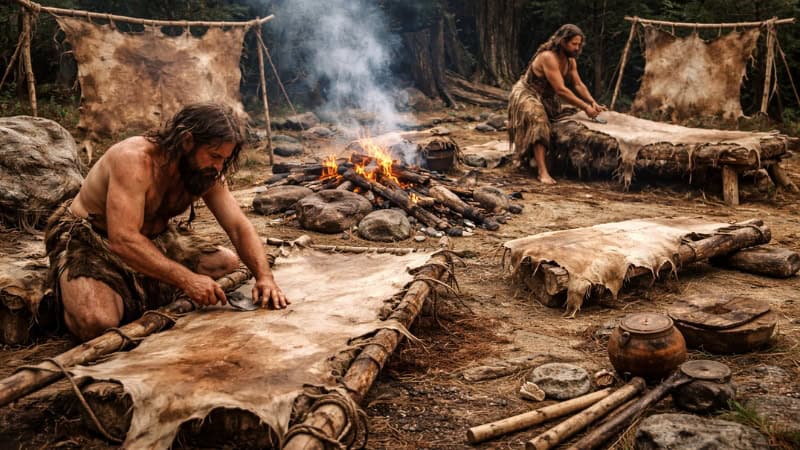
The origins of leather clothing can be traced back to prehistoric human societies. Early humans depended on hunting animals not only for food but also for materials that could support survival. Animal hides provided one of the earliest forms of protective clothing, helping humans adapt to cold climates and challenging environments.
Archaeological discoveries suggest that prehistoric hunters processed animal skins using stone tools to scrape away fat and tissue. The hides were then dried, softened, or smoked to prevent decomposition. These early preservation methods eventually evolved into more sophisticated tanning processes.
Bone needles discovered in ancient archaeological sites indicate that early humans stitched hides together to form fitted garments. These primitive leather clothes helped humans survive ice ages and migrate into colder regions.
Leather in Ancient Civilizations
As societies developed, leather clothing became more refined. Ancient civilizations such as Egypt, Mesopotamia, and the Roman Empire used leather for both practical clothing and military equipment.
In Ancient Egypt, leather garments were sometimes worn by workers and soldiers because of their durability. Egyptian craftsmen also developed early tanning techniques using plant-based materials. In Mesopotamia, leather was used to create belts, armor, and protective clothing.
The Scythians and other steppe cultures were well known for their leather garments designed for horseback riding. Their clothing systems included leather trousers, boots, and jackets that allowed flexibility while riding across vast grasslands.
The Roman Empire also used leather extensively. Roman soldiers wore leather armor and protective gear that could withstand physical impact and environmental exposure.
Leather in Nomadic Cultures
Leather clothing played a particularly important role in nomadic and pastoral cultures. Communities that relied on livestock often used animal hides to produce clothing suited for travel and outdoor life.
Central Asian nomadic groups, including Mongolian tribes, developed leather coats and riding garments that allowed mobility while protecting riders from wind and cold. In Arctic regions, indigenous peoples created specialized clothing from reindeer and seal skins to survive extreme temperatures.
These traditional leather garments were carefully designed to balance insulation, flexibility, and durability. Over generations, knowledge about hide preparation, tanning, and garment construction became an important part of cultural heritage.
Types of Animal Leather Used
Different cultures historically used various animal hides depending on climate, geography, and available livestock. Each type of leather offers unique properties such as durability, softness, insulation, or flexibility.
Cowhide Leather — durability and protection
Cowhide is one of the most durable and widely used leathers in traditional clothing. Its thick fiber structure provides strong resistance to wear, making it suitable for coats, protective garments, riding gear, and work clothing. Many pastoral societies relied on cowhide because cattle were common livestock animals. The material’s toughness also made it useful for outer garments that had to withstand harsh environmental conditions.
Sheepskin and Lambskin — warmth and insulation
Sheepskin leather is valued for its soft texture and insulating properties. Unlike many other leathers, sheepskin often retains the wool attached to the hide, creating what is known as shearling. This material is widely used in traditional winter garments such as sheepskin coats, jackets, and boots. In colder regions of Eastern Europe, Central Asia, and mountainous areas, sheepskin clothing provided warmth during extremely low temperatures.
Deerskin (Buckskin) — flexibility and comfort
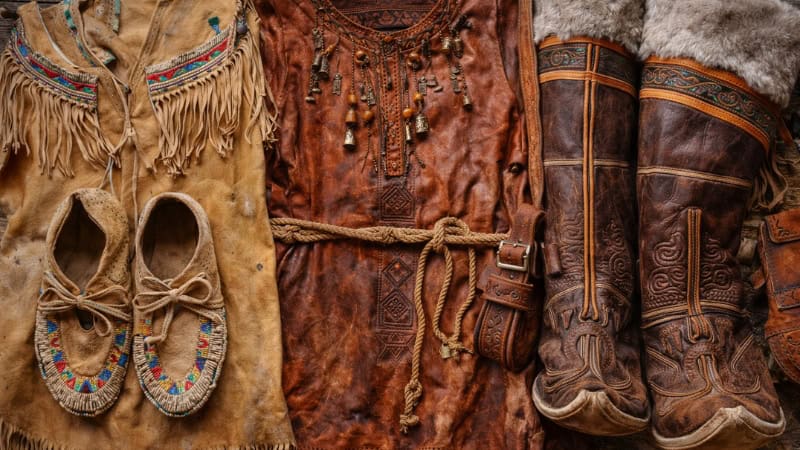
Deerskin leather, commonly known as buckskin, is known for its softness and flexibility. Indigenous communities in North America used deerskin to create clothing that allowed free movement while hunting and traveling. Buckskin garments were often breathable and comfortable to wear for long periods. Many traditional buckskin outfits included shirts, leggings, dresses, and moccasins decorated with beadwork or fringe.
Goatskin Leather — lightweight strength
Goatskin leather is lighter than cowhide but still highly durable. Its tight grain structure makes it resistant to abrasion and stretching. In parts of the Middle East, North Africa, and South Asia, goatskin was commonly used for jackets, gloves, and protective clothing. Because goats adapt well to mountainous and arid environments, their hides became an accessible source of leather for garments.
Reindeer and Buffalo Hide — regional adaptations
Certain cultures relied on region-specific animals for leather clothing. Arctic communities used reindeer hides because they provided excellent insulation in freezing climates. Reindeer fur traps air and retains body heat, making it ideal for extreme weather clothing. In the Great Plains of North America, buffalo hide was used to produce thick robes and coats that protected against cold winds and snow.
Leather Clothing Across Cultures
Traditional leather clothing varies widely across cultures, reflecting environmental conditions, local animals, and social traditions. Many garments also carry symbolic or ceremonial meaning beyond their practical use.
Native American Buckskin Clothing — mobility and decoration
Many Native American tribes used buckskin garments made from deer hides. These clothes were known for their softness and flexibility, allowing hunters and travelers to move freely through forests and plains. Buckskin shirts, leggings, dresses, and moccasins were often decorated with fringe, quillwork, and beadwork. Decorative elements often carried cultural symbolism or tribal identity.
Arctic Indigenous Clothing — survival in extreme cold
Indigenous Arctic communities, such as the Inuit, developed highly specialized leather-clothing systems. These garments were typically made from seal, caribou, or reindeer skins. Layers of fur-lined clothing provided insulation against freezing temperatures and strong winds. Arctic leather garments were carefully constructed to trap heat while allowing enough flexibility for hunting and travel across snow and ice.
Central Asian Nomadic Garments — horseback mobility
Nomadic cultures of Central Asia, including Mongolian tribes, relied heavily on leather clothing designed for horseback riding. Riding coats, trousers, and boots were made from durable hides that could endure long journeys across open steppe landscapes. These garments balanced flexibility and protection, helping riders stay comfortable during long migrations or seasonal movements.
European Traditional Leather Garments — heritage clothing
Several European cultures developed distinctive leather garments that remain part of regional heritage today. German Lederhosen, for example, are traditional leather shorts originally worn by Alpine workers because of their durability. In Eastern Europe, sheepskin coats and leather jackets became common winter garments in rural communities where livestock farming was widespread.
African and Middle Eastern Leather Traditions — desert adaptation
In parts of North Africa and the Middle East, leather clothing developed in response to desert environments. Nomadic groups such as the Tuareg and Berbers used leather garments and accessories to protect against the sun, wind, and sand. Leather bags, belts, and protective clothing were often handcrafted and decorated with geometric patterns.
Traditional Leather Processing Methods
Before leather could be used for clothing, animal hides needed to be prepared and tanned. Traditional societies developed complex techniques that transformed raw hides into durable, flexible materials suitable for garments.
Hide Preparation — cleaning and preservation
The leather-making process begins with preparing the raw hide. After an animal is skinned, the hide must be cleaned to remove fat, flesh, and connective tissue. Early craftsmen used stone tools, bone scrapers, or metal blades to perform this task. Once cleaned, the hide was often stretched and dried to prevent immediate decomposition.
Vegetable Tanning — plant-based preservation
One of the oldest tanning methods involves using tannins derived from tree bark, leaves, and other plant materials. Oak, chestnut, and other tannin-rich plants were commonly used in traditional tanning pits. The hide was soaked in these plant-based solutions for extended periods, allowing the tannins to bind with the collagen fibers in the skin. This process made the leather stronger and resistant to decay.
Brain Tanning — natural softening technique
Brain tanning is a traditional method practiced by many Indigenous cultures. Animal brains contain natural oils that help soften hides and make them flexible. The brain mixture is worked into the hide, which is then repeatedly stretched and softened. The process produces soft leather ideal for clothing, such as buckskin garments.
Smoke Tanning — durability and water resistance
Smoke tanning is often used after brain tanning to further preserve the leather. The hide is exposed to smoke from controlled fires, allowing chemical compounds in the smoke to penetrate the fibers. This process helps protect the leather from moisture, insects, and bacterial decay while also giving the material its distinctive color and smell.
Artisan Leatherworking — craftsmanship and decoration
Once the leather is prepared, craftsmen cut and shape the material into garments. Traditional leatherworking often involves hand stitching, leather lacing, and decorative techniques such as embossing or beadwork. These handmade methods require significant skill and are often passed down through generations of artisans.
Benefits of Leather Clothing
Traditional animal leather clothing has remained relevant for centuries because of several natural material advantages. These properties made leather garments reliable for survival, work, and daily use in many environments.
- Durability — long-lasting material strength: Leather is known for its exceptional durability compared to many textile materials. The dense fiber structure of animal hide makes it resistant to tearing, abrasion, and other forms of physical stress. Traditional leather garments could often last for many years with proper care. This durability made leather clothing especially valuable in societies where producing new garments required significant time and labor.
- Weather Resistance — protection from wind and moisture: Leather naturally resists wind and moderate moisture. Its tightly packed fibers create a barrier that reduces air penetration, helping retain body heat in cold conditions. Many traditional leather coats and jackets were designed as outer layers that shielded wearers from harsh weather, making them ideal for outdoor work, travel, and hunting.
- Thermal Insulation — natural temperature control: Leather clothing, particularly garments made from fur-lined hides such as sheepskin or reindeer hide, provides effective insulation. The structure of these hides traps air, which helps maintain body warmth in cold climates. Arctic and northern communities relied heavily on these insulating properties to survive freezing temperatures.
- Breathability — natural material comfort: Unlike many synthetic materials, leather remains breathable. The natural pores within animal hide allow some airflow, helping regulate body temperature and reduce moisture buildup during physical activity. This property made leather clothing comfortable for extended wear, especially during hunting, riding, or manual labor.
- Longevity — repairable and reusable garments: Traditional leather garments were often designed for repair rather than replacement. Skilled artisans could patch, stitch, or reshape worn areas of leather clothing, extending its lifespan. This repairability contributed to the long-term value of leather garments in many traditional societies.
Ethical and Environmental Considerations
In modern discussions about leather clothing, ethical and environmental issues are important topics. While traditional leather garments were historically part of subsistence lifestyles, contemporary perspectives often examine how leather production affects animals, ecosystems, and manufacturing practices.
Animal Welfare — ethical sourcing concerns
One of the main ethical concerns about leather clothing is the treatment of animals. Many people question whether animals should be used for clothing production. However, in many traditional societies, animal hides were used as by-products of hunting or livestock farming, where animals were primarily raised for food. In these contexts, using the entire animal was considered part of a sustainable resource practice.
Environmental Impact — tanning and pollution
Modern industrial leather tanning processes can sometimes produce environmental pollution, especially when chemical treatments are used. Certain chromium-based tanning methods may release waste products that affect water and soil quality if not properly managed. These environmental concerns have led to increased interest in cleaner tanning technologies.
Vegetable Tanning — traditional eco-friendly methods
Traditional tanning techniques often relied on plant-based materials rather than industrial chemicals. Vegetable tanning uses natural tannins found in tree bark, leaves, and other organic materials. This method is slower than industrial tanning but is widely considered more environmentally friendly, producing durable leather suitable for clothing and accessories.
Circular Use of Animal Resources — reducing waste
In many agricultural systems, leather is considered a by-product of the meat and dairy industries. Using animal hides for leather production can reduce waste by enabling more parts of the animal to be used. This perspective is often discussed in conversations about circular resource use and sustainable material practices.
Sustainable Leather Craft — small-scale production
Artisan leatherworking and small-scale tanning practices often emphasize sustainability, durability, and responsible sourcing. Many traditional craftspeople continue to use natural tanning methods and handmade production processes that minimize environmental impact while preserving cultural heritage.
Leather in Modern Fashion
Although leather clothing originated as practical survival wear, it continues to influence modern fashion and outerwear design. Contemporary designers often draw inspiration from traditional leather garments while adapting them for modern styles and materials.
- Heritage Revival — cultural inspiration in fashion: Many modern fashion designers incorporate elements from traditional leather clothing into contemporary garments. Historical designs such as buckskin jackets, shearling coats, and riding boots inspire modern outerwear collections. These reinterpretations often celebrate cultural heritage while updating silhouettes for modern consumers.
- Leather Outerwear — enduring style and function: Leather jackets, coats, and boots remain widely popular in modern fashion for their durability and timeless appeal. Classic designs such as aviator jackets and biker jackets continue to reflect the functional roots of leather clothing while becoming iconic fashion pieces.
- Slow Fashion Movement — durability over disposability: Leather garments are often associated with the slow fashion movement because they are designed to last for many years. Unlike fast-fashion clothing that may wear out quickly, well-crafted leather clothing can remain functional and stylish for decades when properly maintained.
- Artisan Craftsmanship — preserving traditional skills: Many modern leatherworkers continue to use traditional craftsmanship techniques such as hand stitching, leather tooling, and vegetable tanning. These practices help preserve historic leatherworking knowledge while producing unique handmade garments and accessories.
- Cultural Preservation — honoring traditional clothing: In some communities, traditional leather garments are still worn during festivals, ceremonies, and cultural events. These garments represent heritage and identity while connecting modern generations with historical traditions.
How to Care for Traditional Leather Clothes
Proper care is essential to maintain the durability, flexibility, and appearance of traditional leather clothing. With proper maintenance, leather garments can last for decades while retaining their functionality.
Cleaning Leather — gentle surface maintenance
Leather clothing should be cleaned carefully to avoid damaging the natural fibers. Dust and dirt can be removed using a soft cloth or a slightly damp sponge. Harsh detergents and excessive water should be avoided because they can dry out the leather and cause cracking. For deeper cleaning, specialized leather cleaners are recommended.
Conditioning Leather — preserving flexibility
Leather naturally loses moisture over time, which can make it stiff. Leather conditioners and natural oils help restore flexibility and prevent the material from drying out. Applying conditioner periodically helps maintain the softness and durability of traditional leather garments.
Storage Practices — preventing damage
Proper storage helps extend the lifespan of leather clothing. Garments should be stored in a cool, dry environment away from direct sunlight and excessive humidity. Using breathable garment bags rather than plastic covers allows air circulation and prevents moisture buildup.
Moisture Protection — avoiding mold and mildew
Excess moisture can damage leather by encouraging mold or mildew growth. If leather clothing becomes wet, it should be allowed to dry naturally at room temperature. Direct heat sources such as heaters or hair dryers should be avoided because they can cause the leather to shrink or harden.
Repair and Restoration — extending garment life
Traditional leather clothing is often repairable. Small tears, worn stitching, or surface damage can usually be repaired by skilled leatherworkers. Restoration techniques such as patching, resewing seams, or reconditioning leather help extend the usable life of leather garments.
Wrap Up
Traditional animal-leather clothing represents one of the earliest forms of human clothing innovation. Across cultures and historical periods, leather garments provided protection, warmth, and durability in environments where other materials were unavailable. From buckskin clothing worn by Indigenous communities to sheepskin coats used in cold regions, leather has played a central role in human adaptation and craftsmanship.
Today, traditional leather clothing continues to reflect cultural heritage and artisanal skill. While modern discussions include ethical sourcing and sustainability, the historical significance of leather garments remains undeniable. These garments symbolize the long relationship between humans, natural materials, and traditional craftsmanship.
