
Leather comes in many forms, but few cause as much confusion as suede and nubuck. At first glance, both feature a soft, velvety surface that looks refined and luxurious. This similarity often leads shoppers to assume they are the same material.
In reality, suede and nubuck differ significantly in how they are made, how they perform, and how they should be cared for. These differences directly affect durability, price, and everyday usability.
Understanding suede leather vs nubuck leather helps you make better decisions, whether you’re buying shoes, jackets, or furniture. This guide breaks down their characteristics clearly so you can choose with confidence.
What Is Suede Leather?
Suede leather is known for its softness and casual appeal. It is widely used in fashion items that prioritize comfort and texture over rugged durability.
- How suede is made
Suede is produced from the inner split of an animal hide, typically cow, lamb, or goat. By using the underside, manufacturers create a napped surface that feels plush but lacks the protective outer grain. - Texture and visual appeal
The fibers in suede are looser, giving it a fuzzy, warm appearance. This makes suede visually rich but also more prone to flattening and scuffing over time. - Common applications
Suede is popular in shoes, handbags, jackets, and gloves. It is favored for lightweight fashion pieces rather than heavy-duty or outdoor use.
Because suede prioritizes softness over strength, it naturally leads us to compare it with nubuck, a material that looks similar but behaves quite differently in real-world use.
What Is Nubuck Leather?
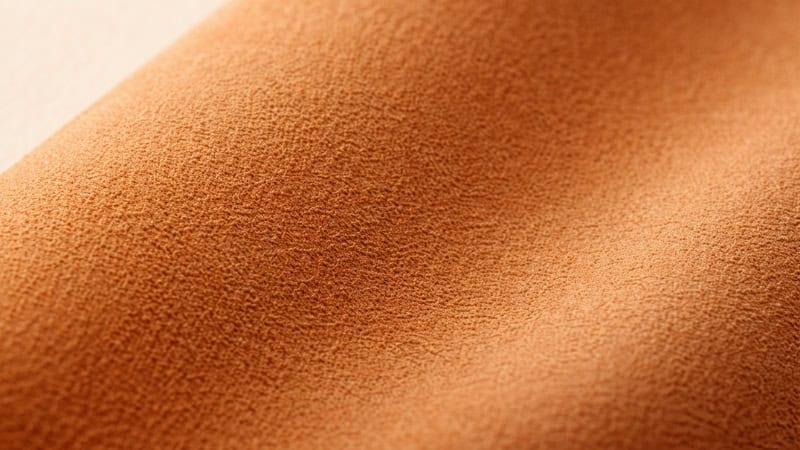
Nubuck leather offers a refined look with added strength. While it may resemble suede, its structure places it in a more premium category.
- How nubuck is made
Nubuck comes from the outer grain of the hide, which is lightly sanded to create a soft nap. Retaining the grain layer gives nubuck more structural integrity. - Surface feel and appearance
The nap on nubuck is finer and more uniform than suede. This results in a smoother, more elegant finish that ages gracefully when properly maintained. - Typical uses
Nubuck is commonly found in high-quality boots, luxury bags, and upscale furniture. Its balance of softness and durability makes it suitable for both fashion and function.
Because nubuck and suede are processed differently at the hide level, their performance characteristics diverge in important ways worth examining next.
Suede vs Nubuck: Key Differences
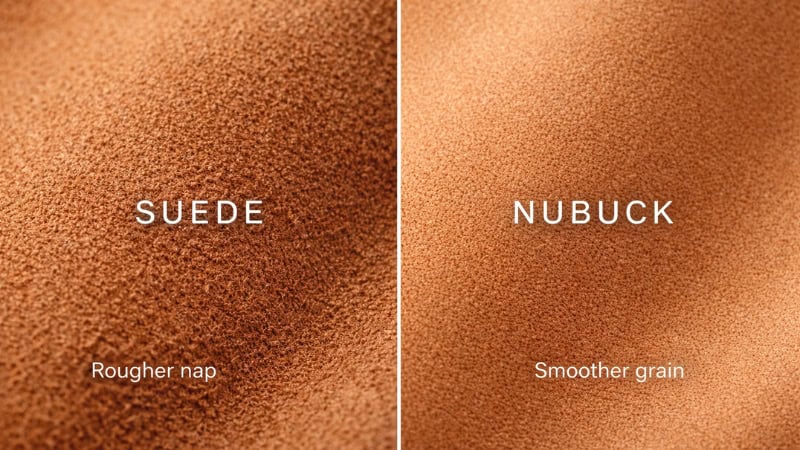
Although suede and nubuck share a similar soft, brushed appearance, they differ greatly beneath the surface. These differences affect how they feel, how long they last, and where they perform best. Understanding these distinctions helps avoid costly mistakes when choosing leather products.
- Source of the hide
Suede is made from the inner split of the animal hide, which removes the natural grain layer. Nubuck, by contrast, is created from the outer grain that is lightly sanded, allowing it to retain more strength and structure.
- Texture and nap quality
Suede has a looser, fuzzier nap that feels extremely soft to the touch. Nubuck’s nap is finer and shorter, giving it a more uniform, upscale appearance.
- Durability and resistance
Nubuck is significantly more durable due to the intact grain layer. Suede is more susceptible to tearing, scuffing, and surface wear over time.
- Aging and patina
Nubuck tends to age more gracefully, developing a subtle patina. Suede shows wear more quickly and may lose its plush texture with frequent use.
These core differences naturally influence the advantages and limitations of each leather, which become clearer when examined individually.
Care and Maintenance Requirements
Proper care is essential for both suede and nubuck, as neither material is naturally forgiving. Neglect can quickly diminish their appearance.
- Cleaning methods
Both materials require specialized brushes and erasers designed for napped leather. Regular dry brushing helps lift the nap and remove surface dirt. - Water and stain protection
Protective sprays are strongly recommended for suede and nubuck. Without treatment, even small moisture exposure can leave permanent marks. - Long-term upkeep
Storing items away from humidity and direct sunlight preserves texture and color. Occasional professional cleaning can extend lifespan significantly.
Since maintenance demands vary by lifestyle, choosing between suede and nubuck often comes down to practical use rather than appearance alone.
Pros and Cons of Suede and Nubuck
Every leather type has strengths and weaknesses, and suede and nubuck are no exception. Evaluating their pros and cons side by side makes it easier to choose the right option for your needs.
Suede Leather
Pros
- Exceptional softness and comfort: Suede feels incredibly gentle against the skin, making it ideal for clothing and casual footwear.
- Flexible and lightweight: The split leather construction allows suede to bend easily without stiffness.
- Warm, textured appearance: Its fuzzy nap adds depth and visual richness to fashion pieces.
- More affordable than nubuck: Suede typically costs less due to its production process.
- Wide fashion versatility: It works well in shoes, jackets, bags, and accessories.
Cons
- Low durability: Suede wears down faster, especially in high-friction areas.
- Highly stain and water sensitive: Moisture and spills can permanently damage the surface.
- Frequent maintenance required: Regular brushing and protection are necessary to preserve its look.
Nubuck Leather
Pros
- Superior strength and durability: The preserved grain layer makes nubuck tougher and longer-lasting.
- Premium, refined appearance: Nubuck offers a smooth, elegant finish suitable for luxury products.
- Better resistance to wear: It handles daily use better than suede when properly maintained.
- Ages well over time: Nubuck develops character rather than obvious damage.
- Versatile for indoor and outdoor use: Commonly used in boots, furniture, and high-end accessories.
Cons
- Higher price point: Quality hides and processing increase overall cost.
- Still moisture sensitive: Despite its strength, nubuck is not waterproof without treatment.
- Requires specialized care: Improper cleaning can flatten or discolor the nap.
With a clear understanding of these strengths and limitations, choosing between suede and nubuck becomes far more practical and aligned with real-world use.
Which One Should You Choose?
Selecting between suede leather vs nubuck leather depends on balancing style, function, and maintenance effort.
- For fashion-focused items
Suede is ideal for statement pieces that prioritize texture and comfort. It works best in low-impact, controlled environments. - For durability and longevity
Nubuck is better suited for footwear and furniture that see regular use. Its structure provides longer-lasting performance. - For climate and usage habits
Dry climates and occasional wear favor suede. Active lifestyles and variable conditions favor nubuck.
Once you’ve made your choice, it’s helpful to clear up a few lingering misconceptions that often mislead buyers.
Common Myths About Suede and Nubuck
Many buyers hesitate due to misinformation surrounding these leathers.
- “Suede and nubuck are the same”
While similar in appearance, they come from different layers of the hide and perform differently.
- “They can’t be cleaned”
Both can be cleaned safely using the right tools and techniques.
- “Nubuck is waterproof”
Nubuck is not waterproof, though it is slightly more resilient than suede when treated properly.
Clarifying these myths prepares us for the most frequently asked questions.
FAQs About Suede and Nubuck Leather
Is suede leather real leather?
Yes, suede is made from real animal hide. It is specifically created from the inner split of the leather, which gives it a softer feel.
Is nubuck stronger than suede?
Yes, nubuck is generally stronger because it retains the outer grain layer. This makes it more resistant to wear, tearing, and stretching over time.
Can suede and nubuck get wet?
Both materials can absorb water easily. Moisture may cause staining, stiffening, or texture damage if not treated promptly.
Are suede and nubuck hard to clean?
They require special tools and techniques, which makes cleaning more involved. With regular maintenance, however, they can stay in good condition for years.
Why is nubuck more expensive than suede?
Nubuck uses higher-quality hides and preserves the grain layer. This increases both material cost and overall durability.
Can these leathers be restored if damaged?
Minor scuffs and stains can often be improved with proper brushing. Severe damage may require professional restoration or may be irreversible.
Final Verdict: Soft Luxury or Refined Strength?
Choosing between suede and nubuck isn’t about which is better overall—it’s about which fits your lifestyle.
Suede delivers unmatched softness and casual elegance, making it ideal for fashion-forward pieces. Nubuck, on the other hand, offers a refined look with superior durability for everyday use.
By understanding how each leather is made, used, and maintained, you can invest confidently in a material that complements both your style and your daily demands.
