
Choosing the right interior upholstery has become more complex than simply picking what looks luxurious. Today’s buyers are balancing comfort, durability, sustainability, and long-term value alongside aesthetics. That’s where the comparison between Sensafin and traditional leather begins to matter.
Leather has long been associated with premium interiors, craftsmanship, and status. At the same time, newer materials like Sensafin are reshaping expectations by offering a modern alternative that promises similar appeal with fewer compromises.
As car manufacturers and consumers rethink materials, understanding how Sensafin and leather truly compare helps you make a more confident, future-proof choice.

What Is Sensafin?
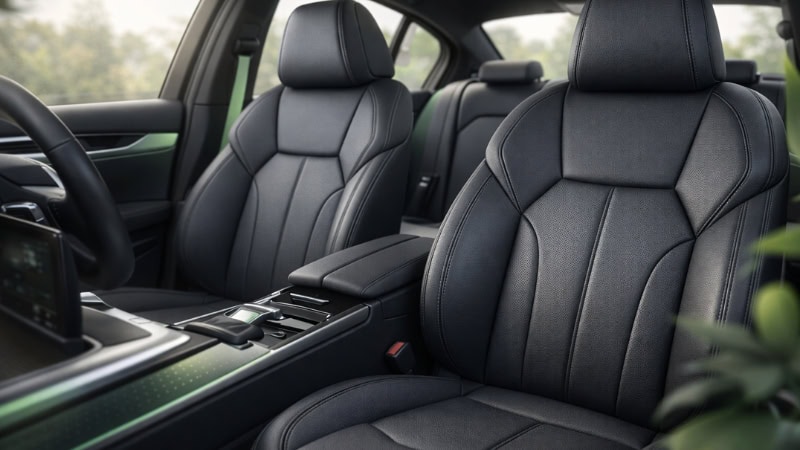
Sensafin is a modern synthetic upholstery material designed to replicate the look and feel of genuine leather without using animal hides. It’s most commonly associated with premium automotive brands that are shifting toward more sustainable interior options.
- Material composition: Sensafin is made from high-quality polyurethane-based materials engineered for softness and flexibility, closely mimicking leather’s texture.
- Design intent: It’s created to deliver a premium appearance while improving consistency, since synthetic materials avoid the natural imperfections found in animal hides.
- Where it’s used: Sensafin is increasingly featured in higher-end trims, especially in brands aiming to offer vegan or eco-conscious interiors.
With a clear idea of what Sensafin brings to the table, it’s equally important to understand what traditional leather offers in comparison.
What Is Genuine Leather?
Genuine leather has been a cornerstone of luxury interiors for decades, valued for its natural texture and craftsmanship. It’s derived from animal hides that are treated, dyed, and finished for automotive use.
- Types of leather: Automotive leather often includes top-grain or corrected-grain leather, designed for durability while retaining a natural feel.
- Natural characteristics: Each hide has unique variations in grain and texture, which many buyers associate with authenticity and luxury.
- Long-standing appeal: Leather has historically symbolized prestige, making it a popular choice in premium and luxury vehicles.
While leather’s heritage is undeniable, direct comparison reveals where the two materials truly differ.

Sensafin vs Leather: Key Differences
Although Sensafin and leather may look similar at first glance, their differences become clear with closer inspection. These distinctions affect comfort, performance, and everyday usability.
- Composition: Sensafin is fully synthetic, while leather is a natural material derived from animal hides.
- Texture and appearance: Sensafin offers uniformity and a smooth finish, whereas leather has natural grain patterns and subtle imperfections.
- Climate response: Leather breathes better, while Sensafin maintains a more consistent feel regardless of temperature.
These fundamental differences set the stage for how each material performs over time.
Durability and Longevity
Durability plays a major role in upholstery choice, especially for daily drivers or families. Both materials perform well, but they age differently.
- Wear resistance: Sensafin resists cracking and fading more consistently, especially in harsh sunlight.
- Aging process: Leather develops a patina over time, which some owners appreciate, while others see it as wear.
- Daily use: Sensafin handles frequent entry, spills, and friction with less visible deterioration.
Durability often goes hand in hand with maintenance, which is another key consideration.
Maintenance and Care
How much effort you want to invest in upkeep can heavily influence your decision. Sensafin and leather differ significantly in this area.
- Cleaning: Sensafin can usually be wiped clean with a damp cloth, while leather requires specialized cleaners.
- Stain resistance: Sensafin is less porous, making it more resistant to spills and staining.
- Ongoing care: Leather needs conditioning to prevent drying and cracking over time.
Ease of care leads many buyers to look beyond tradition and consider broader impacts.
Environmental and Ethical Considerations
Sustainability has become a priority for many modern consumers. Upholstery materials now play a role in ethical decision-making.
- Animal welfare: Sensafin is completely vegan, while leather relies on animal hides.
- Environmental footprint: Synthetic materials can reduce reliance on livestock farming, which has significant environmental impact.
- Consumer values: Buyers increasingly prioritize cruelty-free and eco-conscious alternatives.
Beyond ethics, cost is often the deciding factor for many shoppers.
Cost Comparison
Budget considerations extend beyond the initial purchase price. Long-term value matters just as much.
- Upfront cost: Sensafin interiors are typically more affordable than leather trims.
- Maintenance expenses: Leather’s care products and repairs add to its lifetime cost.
- Resale value: Leather may still carry a perception of higher resale appeal in some markets.
Understanding costs helps narrow down which option fits your lifestyle best.
Sensafin vs Leather: Pros and Cons
Both Sensafin and genuine leather bring distinct strengths and limitations to the table, making the choice highly dependent on personal priorities, lifestyle, and driving habits. Understanding their pros and cons side by side helps clarify which material truly fits your expectations.
Sensafin: Pros
- Vegan and cruelty-free: Sensafin contains no animal-derived materials, making it an ideal choice for ethically conscious buyers who want a premium interior without compromising their values.
- Low maintenance: Its non-porous surface resists stains and spills, allowing for easy cleaning with minimal effort compared to leather.
- Consistent appearance: Unlike natural hides, Sensafin offers uniform texture and color, ensuring a clean, polished look across all seats.
- Durability in daily use: Sensafin holds up well against cracking, fading, and wear, especially in vehicles exposed to frequent sunlight or heavy use.
- Cost-effective premium feel: It often delivers a luxury-like experience at a lower upfront and long-term cost.
Sensafin: Cons
- Reduced breathability: Sensafin does not allow as much airflow as natural leather, which may affect comfort during long drives in hot weather.
- Less traditional appeal: Some buyers still perceive synthetic materials as less luxurious, regardless of how refined they feel.
Leather: Pros
- Natural look and texture: Leather’s organic grain and softness offer a tactile experience that many associate with authentic luxury.
- Breathability: Its natural pores allow better air circulation, enhancing comfort in warmer climates.
- Premium perception: Leather has long been viewed as a status symbol, particularly in high-end and luxury vehicles.
- Aging character: Over time, leather develops a patina that many owners find visually appealing and unique.
Leather: Cons
- Higher maintenance: Leather requires regular cleaning and conditioning to prevent drying, cracking, and staining.
- Susceptibility to wear: Without proper care, leather can fade, stretch, or crack, especially in extreme temperatures.
- Ethical and environmental concerns: The use of animal hides raises sustainability and cruelty-related issues for some consumers.
Which One Should You Choose?
The right choice depends on how you use your vehicle and what matters most to you.
- Choose Sensafin if: You want low maintenance, durability, and an ethical alternative for daily driving.
- Choose leather if: You prioritize tradition, natural materials, and a classic luxury experience.
- Lifestyle fit: Climate, family use, and long-term ownership all influence satisfaction.
For lingering questions, the FAQs below address common concerns buyers often have.
FAQs: Sensafin vs Leather
Is Sensafin as comfortable as leather?
Sensafin is designed to closely replicate leather’s softness and cushioning. Most drivers find it equally comfortable for daily use. However, leather’s breathability can feel slightly more natural during long drives.
Does Sensafin last longer than leather?
Sensafin tends to resist cracking and fading better over time. Leather can last just as long but requires proper conditioning and care. Without maintenance, leather may show wear sooner than Sensafin.
Does Sensafin feel cheap compared to leather?
Modern Sensafin feels premium and well-finished. Many people struggle to tell the difference at first touch. Perception often depends on personal preference rather than actual quality.
Is leather better for hot or cold climates?
Leather breathes better, which helps in hot climates. However, it can become very hot or cold to the touch initially. Sensafin maintains a more consistent surface temperature year-round.
Is Sensafin truly eco-friendly?
Sensafin avoids animal use, which reduces ethical concerns. Its environmental impact depends on manufacturing processes. Still, it’s generally considered a more sustainable alternative to leather.
Does leather improve resale value?
Leather may still appeal to traditional luxury buyers. That said, growing acceptance of premium synthetic materials is narrowing the gap. Condition often matters more than material choice.
Final Verdict: Comfort Meets Conscious Choice
Choosing between Sensafin and leather isn’t about right or wrong—it’s about priorities. Sensafin offers a modern, low-maintenance, and ethical solution that fits today’s lifestyles. Leather, meanwhile, continues to appeal to those who value tradition and natural materials.
As automotive interiors evolve, both options deliver comfort and style in their own way. By understanding how they differ, you can choose the upholstery that aligns best with your values, habits, and long-term expectations.
