
Choosing between nubuck and leather can be confusing, especially since both materials come from animal hides and are often used interchangeably in fashion, footwear, and furniture. At first glance, nubuck looks softer and more luxurious, while leather appears smoother and more classic.
However, the differences go far beyond appearance. Texture, durability, maintenance needs, and even lifestyle suitability play a major role in deciding which material is right for you.
Understanding how nubuck and leather are made—and how they perform in real-world use—can help you make a smarter, longer-lasting purchase.
Let’s start by breaking down what each material really is.
What Is Leather?
Leather is a durable, flexible material created by tanning animal hides, most commonly cowhide. It has been used for centuries due to its strength, longevity, and versatility across industries.
- How leather is made: Raw hides go through tanning processes (vegetable or chrome tanning) to prevent decay and improve durability.
- Types of leather: Common categories include full-grain, top-grain, genuine leather, and bonded leather, each differing in quality and finish.
- Surface characteristics: Most leather retains a smooth or lightly textured surface, often coated for protection.
- Common uses: Leather is widely used in shoes, bags, jackets, furniture, and car interiors because of its resilience.
Leather’s adaptability and range of finishes make it suitable for both rugged and luxury applications. To understand how nubuck compares, it’s important to look at how it’s produced and why it feels so different.
What Is Nubuck?
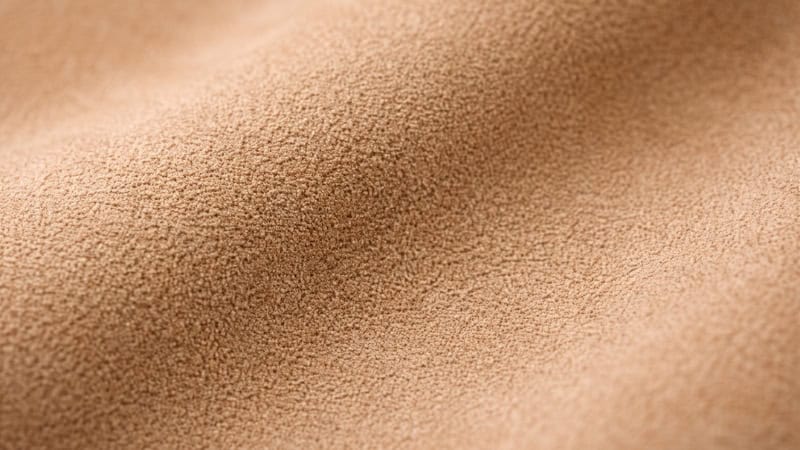
Nubuck is a type of top-grain leather that has been sanded or buffed on the outer surface to create a soft, velvety texture. Despite its suede-like appearance, it is made from the stronger exterior of the hide.
- Manufacturing process: The outer grain is lightly sanded, raising fine protein fibers that give nubuck its signature feel.
- Difference from suede: Suede comes from the inner split of the hide, while nubuck uses the outer layer, making it more durable.
- Texture and appearance: Nubuck has a matte, plush finish that looks premium but shows marks easily.
- Typical applications: Commonly used in luxury shoes, boots, handbags, and some furniture.
Nubuck’s refined look makes it appealing, but its performance varies greatly from traditional leather, which leads us directly into their core differences.
Nubuck vs Leather: Key Differences
Although nubuck and leather originate from the same animal hide, their performance, appearance, and upkeep differ significantly due to how they are processed. Understanding these key differences helps set realistic expectations and ensures you choose the right material for your needs.
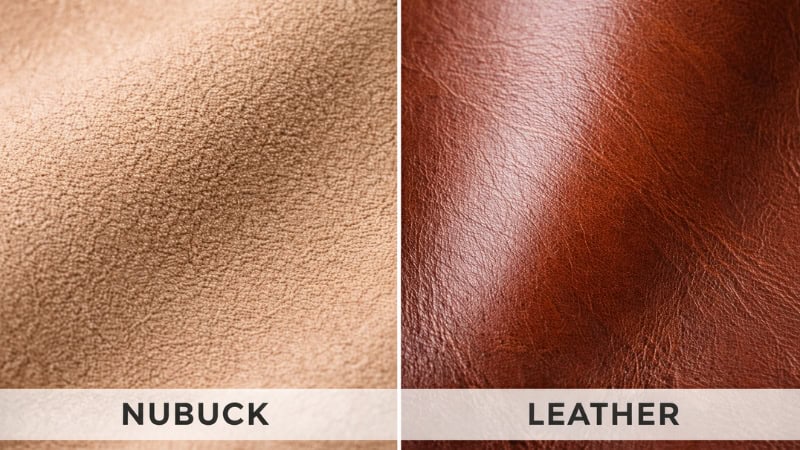
- Texture & Appearance: Nubuck has a soft, velvety, and matte finish created by sanding the outer grain of the hide. This plush texture gives nubuck a premium, refined look but also makes surface marks, scratches, and pressure lines more visible. Leather, in contrast, typically has a smooth or lightly textured surface that may be finished with a protective coating. This results in a cleaner, more uniform appearance that holds its shape and polish over time.
- Durability: While nubuck is made from top-grain leather, the sanding process slightly reduces its resistance to abrasion. As a result, nubuck tends to show wear faster, especially in high-friction areas. Leather—particularly full-grain or top-grain varieties—retains its natural surface strength, making it more resistant to cracking, tearing, and daily wear. This makes leather the more durable option for long-term or heavy use.
- Water Resistance: Nubuck is highly absorbent and reacts poorly to moisture, often developing dark spots or stains when exposed to water. Even small spills can permanently alter its appearance if not treated quickly. Leather, especially when treated or coated, naturally repels water better and can withstand light rain or spills without immediate damage. This difference makes leather more suitable for outdoor or unpredictable environments.
- Maintenance & Care: Nubuck requires specialized care, including soft brushes, erasers, and protective sprays to maintain its texture and color. Cleaning mistakes can easily worsen stains or flatten the nap. Leather is far more forgiving, needing only occasional wiping and conditioning to stay in good shape. This ease of maintenance makes leather a more practical choice for everyday use.
- Comfort & Feel: Nubuck feels softer and more breathable against the skin, making it comfortable for footwear and items worn close to the body. Leather can initially feel firm or stiff, but it softens over time and molds to the user’s shape. Comfort preferences often come down to whether you value immediate softness or long-term adaptability.
- Aging & Patina: Leather develops a natural patina as it ages, enhancing its character and visual appeal over time. Scuffs and creases often add to its charm rather than detract from it. Nubuck, however, does not age as gracefully; wear patterns and discoloration tend to look uneven, which some users may find undesirable.
- Price Comparison: Nubuck is often priced higher than standard leather because of its premium finish and additional processing. However, high-quality full-grain leather can surpass nubuck in cost due to its durability and longevity. Price ultimately reflects quality, treatment, and intended use rather than material alone.
These distinctions make it clear that nubuck prioritizes aesthetic appeal and softness, while leather excels in resilience and practicality—setting the stage for deciding which material best suits your lifestyle.
Pros and Cons of Nubuck
Nubuck is often chosen for its upscale look and soft feel, but that luxury comes with trade-offs.
- Pros: Nubuck feels exceptionally soft, offers a premium aesthetic, and is comfortable for footwear due to its breathability. It also gives products a refined, modern appearance.
- Cons: Nubuck stains easily, absorbs water quickly, and shows scuffs and fingerprints. Regular maintenance is necessary to keep it looking fresh.
Because nubuck prioritizes appearance over resilience, it’s best for controlled environments or occasional use. To balance this perspective, let’s examine what traditional leather brings to the table.
Pros and Cons of Leather
Leather is valued for its practicality and longevity, making it a staple material across many industries.
- Pros: Leather is strong, durable, and more resistant to water and dirt. It’s easy to clean, ages gracefully, and can last decades with proper care.
- Cons: Some leather types feel stiff at first, may be less breathable, and vary widely in quality depending on grade and processing.
Leather’s reliability makes it a safer everyday option, but choosing between the two ultimately depends on how and where you plan to use them.

Nubuck vs Leather: Which Should You Choose?
The right choice depends on lifestyle, usage, and personal preference rather than appearance alone.
- For shoes: Nubuck works well for casual or fashion-forward footwear, while leather suits daily wear and harsh conditions.
- For bags: Leather is better for frequent use, while nubuck is ideal for statement or luxury pieces.
- For furniture: Leather is more practical for homes with pets or kids; nubuck fits low-traffic, design-focused spaces.
Considering your environment and maintenance tolerance will ensure your choice stays satisfying long-term. Proper care further extends the life of both materials.
Care Tips for Nubuck and Leather
Maintaining these materials correctly is essential to preserving their look and durability.
- Nubuck care: Use a nubuck brush regularly, apply protective sprays, and avoid water exposure. Clean stains gently and immediately.
- Leather care: Wipe with a damp cloth, condition periodically, and store away from direct heat or sunlight.
- Storage tips: Keep both materials in breathable covers and avoid humid environments.
With the right care routine, both nubuck and leather can remain attractive and functional for years, which often leads to common buyer questions.
FAQs About Nubuck and Leather
Is nubuck real leather?
Yes, nubuck is real leather made from the outer grain of the hide. It is sanded to achieve a soft, velvety texture while retaining the strength of top-grain leather. Despite its delicate feel, it is not synthetic. This makes nubuck both authentic and premium in terms of material quality.
Is nubuck better than leather?
Neither is universally better; it depends on use and lifestyle. Nubuck excels in aesthetics and softness, while leather outperforms in durability and ease of maintenance. Each material serves a different purpose. The better option is the one that aligns with how and where you plan to use it.
Can nubuck get wet?
Nubuck is highly sensitive to water and can stain easily. Protective sprays help reduce moisture absorption, but they do not make it fully waterproof. Prolonged exposure to water can permanently damage its appearance. This is why nubuck is best kept in dry conditions.
Does nubuck last long?
With proper care and limited exposure to harsh conditions, nubuck can last several years. However, it typically wears faster than smooth leather due to its exposed fibers. High-friction areas may show signs of aging sooner. Regular maintenance is essential to extend its lifespan.
Is leather easier to maintain than nubuck?
Yes, leather is much easier to clean and condition than nubuck. Most leather only requires basic wiping and occasional conditioning. Nubuck, on the other hand, needs special brushes and careful stain management. This difference makes leather more suitable for everyday use.
Which is more expensive, nubuck or leather?
High-quality nubuck often costs more due to its refined finish and additional processing. However, premium full-grain leather can exceed nubuck in price because of its durability and longevity. Cost varies widely based on quality, brand, and intended application. Price alone should not determine the final choice.
Final Verdict: Nubuck or Leather—Choose What Fits Your Life
Both nubuck and leather offer unique advantages, and the best choice comes down to how you plan to use the product. Nubuck delivers a refined, luxurious feel that stands out visually but demands careful handling. Leather, on the other hand, offers durability, versatility, and long-term value.
If you prioritize aesthetics and comfort, nubuck is a stylish option. If practicality and longevity matter more, leather remains the timeless classic. Choosing wisely ensures satisfaction long after the purchase.
