
A lifting belt is one of the most commonly used accessories in strength training. Athletes rely on it to improve stability, protect the lower back, and enhance performance during heavy compound lifts. Whether performing a Barbell Squat, Deadlift, or Overhead Press, a belt can help create stronger core bracing and better force transfer.
However, not all lifting belts are built the same. The two most popular options are leather lifting belts and nylon lifting belts. Each material offers different levels of support, comfort, flexibility, and durability.
Athletes across strength sports—from International Powerlifting Federation competitors to CrossFit athletes—often debate which belt performs better.
Understanding their differences will help you choose the right belt for your training style, lifting goals, and workout environment.
What Is a Lifting Belt and How It Works
Understanding the function of a lifting belt helps explain why material choice matters.
Purpose of a Lifting Belt
A lifting belt is designed to improve spinal stability and support the core during heavy resistance training. Contrary to common belief, the belt does not directly hold up the spine. Instead, it helps lifters generate greater intra-abdominal pressure, which stabilizes the torso and protects the lower back.
When a lifter braces their core against the belt, the abdominal muscles push outward. This increases pressure inside the abdomen and creates a rigid cylinder around the spine. The result is improved lumbar stability, stronger bracing mechanics, and better posture under load.
This mechanism is particularly useful during heavy compound exercises such as the Barbell Squat, Deadlift, and Overhead Press. By improving trunk rigidity, the belt helps lifters maintain safe lifting mechanics while handling heavier weights.
How Lifting Belts Improve Performance
Beyond safety, lifting belts can also improve strength performance. When athletes create higher intra-abdominal pressure, they increase core stiffness and force transfer throughout the body. This allows energy generated by the legs and hips to travel more efficiently through the torso and into the barbell.
In biomechanical terms, the belt enhances trunk rigidity, reducing unwanted spinal movement during heavy lifts. This is particularly important for exercises that load the spine vertically or horizontally.
Research in strength training has shown that belt usage can increase lifting efficiency during maximal efforts. Athletes often report stronger bracing, improved confidence under heavy loads, and better positional stability.
For this reason, lifting belts are widely used in competitive strength sports such as Powerlifting and Olympic weightlifting. However, the level of support and performance benefits can vary depending on the belt material, which leads to the comparison between leather and nylon belts.
Leather Lifting Belts: Overview
Leather belts are the traditional choice for heavy strength training.
Materials and Construction
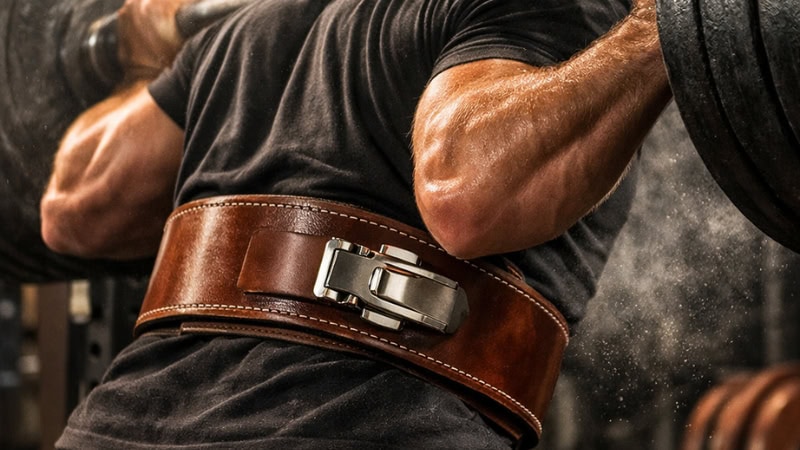
Leather lifting belts are widely considered the standard for serious strength training. Most high-quality belts are made from full-grain or vegetable-tanned leather, which provides exceptional rigidity and durability. These belts often include a suede interior lining to improve comfort and grip against the lifter’s torso.
A typical leather belt has a uniform width of about four inches, which helps distribute pressure evenly across the core during heavy lifts. Thickness commonly ranges from 10mm to 13mm, with thicker belts providing greater structural support.
Leather belts usually use metal closure systems such as single-prong buckles, double-prong buckles, or lever buckles. Brands like Rogue Fitness, Inzer Advance Designs, and Pioneer Fitness manufacture competition-grade leather belts commonly used by advanced lifters and professional powerlifters.
Key Features of Leather Belts
- High rigidity and structure – Provides a solid surface for the core to brace against, helping maximize intra-abdominal pressure during heavy lifts.
- Superior spinal support – Helps stabilize the lumbar spine when performing exercises like the Barbell Squat and Deadlift.
- Long-term durability – High-quality full-grain leather belts can last for many years with proper care.
- Consistent compression – Maintains tightness and structure under heavy loads without loosening mid-lift.
- Molds to the body over time – Leather gradually adapts to the lifter’s torso shape, creating a personalized fit.
- Competition-standard design – Widely used in strength sports governed by organizations like the International Powerlifting Federation.
- Multiple buckle options – Available with lever, single-prong, or double-prong closures for different tightening preferences.
Best Training Scenarios for Leather Belts
- Powerlifting training sessions where maximal support and trunk stability are required.
- Heavy compound lifts, especially the Barbell Squat and Deadlift.
- Low-rep, high-intensity workouts involving near-maximal or maximal weights.
- Strength-focused programs where improving raw lifting numbers is the primary goal.
- Competition preparation for athletes participating in federations like the International Powerlifting Federation.
- Advanced lifters handling heavy barbell loads who need maximum core bracing and spinal stability.
Nylon Lifting Belts: Overview
Nylon belts prioritize flexibility, comfort, and quick adjustments during dynamic workouts.
Materials and Construction
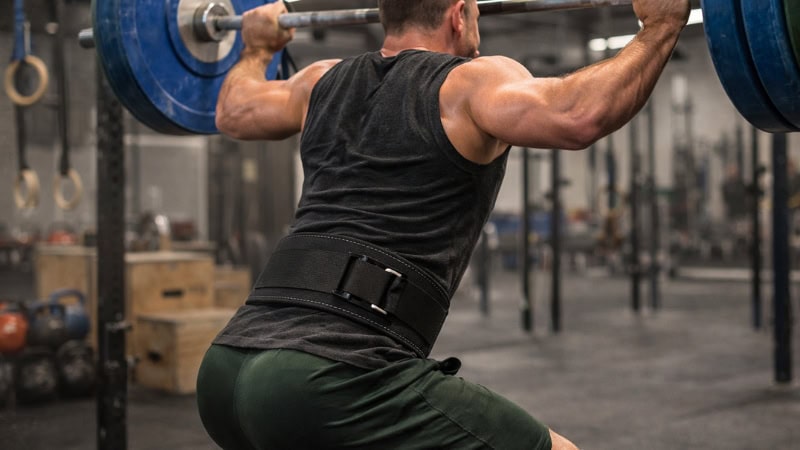
Nylon lifting belts are built using durable woven synthetic fibers, making them lighter and more flexible than leather belts. Most designs incorporate foam padding to improve comfort and reduce pressure on the torso during training.
Unlike rigid powerlifting belts, nylon belts often feature a tapered design, meaning the back portion is wider while the front narrows slightly. This design improves mobility and reduces interference during explosive lifts.
The most common closure system is a Velcro strap combined with a quick-release buckle, allowing lifters to tighten or loosen the belt quickly between sets.
Several fitness equipment brands manufacture high-quality nylon belts, including Harbinger Fitness, Element 26, and Schiek Sports.
Key Features of Nylon Belts
- Lightweight construction – Made from woven synthetic fibers that keep the belt lighter than traditional leather models.
- Flexible structure – Allows greater torso mobility during dynamic exercises and Olympic lifts.
- Comfortable padding – Many designs include foam padding that reduces pressure on the abdomen and lower back.
- Quick adjustability – Velcro closure systems allow lifters to tighten or loosen the belt instantly between sets.
- Tapered design for mobility – Wider at the back and narrower in the front to prevent restriction during lifts.
- Convenient for mixed workouts – Easy to adjust or remove during workouts that involve multiple exercise types.
- Portable and gym-friendly – Lightweight and foldable, making it easy to carry in a gym bag.
Best Training Scenarios for Nylon Belts
- Functional fitness workouts commonly performed in programs like CrossFit.
- Olympic weightlifting movements such as the Clean and Jerk and Snatch.
- High-intensity circuit training where athletes move quickly between different exercises.
- Moderate-to-heavy lifting sessions that require some core support but also flexibility.
- Workouts involving multiple exercise styles, including bodyweight movements and barbell lifts.
- Dynamic training environments where athletes frequently tighten or loosen their belts between sets.
- General gym training for lifters who prioritize comfort and mobility over maximum rigidity.
Leather vs Nylon Lifting Belt: Detailed Comparison
Comparing the two belt types across key factors helps determine which one suits different training styles.
Support and Core Stability
Support is the most significant difference between leather and nylon lifting belts. Leather belts provide maximum rigidity, allowing lifters to generate greater intra-abdominal pressure when bracing their core. This increased pressure improves spinal stabilization and helps maintain proper posture during heavy lifts.
Because leather belts do not flex easily, they create a firm wall for the abdominal muscles to push against. This makes them ideal for maximal strength exercises like the Barbell Squat and Deadlift.
Nylon belts, on the other hand, offer moderate support. Their flexible structure still helps with core bracing but does not provide the same level of rigidity as thick leather powerlifting belts.
Comfort and Mobility
Comfort and mobility are areas where nylon belts often outperform leather belts. The soft synthetic material and tapered design allow greater torso flexibility and range of motion, which is important during dynamic exercises.
Leather belts, while supportive, can feel stiff—especially during the break-in period. Their uniform width and thick structure can limit bending and twisting movements during certain workouts.
Nylon belts are generally more comfortable for long training sessions and mixed workouts that involve multiple exercise styles. Athletes who perform explosive lifts or circuit training often prefer the lighter and more flexible feel of nylon belts.
Durability and Lifespan
Leather lifting belts are widely known for their exceptional durability. High-quality leather belts can last for many years, even with regular heavy lifting. Over time, the leather softens slightly while maintaining its structural strength.
Nylon belts are durable as well, but their lifespan is often limited by the Velcro fastening system. After extensive use, Velcro can gradually lose its grip, which may reduce the belt’s ability to stay tightly secured.
However, nylon belts still perform well for athletes who prioritize comfort and versatility over long-term durability. For occasional lifters or those performing varied workouts, nylon belts can remain reliable for several years.
Adjustability and Closure Systems
Closure systems differ significantly between leather and nylon belts. Leather belts typically use lever buckles, single-prong buckles, or double-prong buckles. These systems provide a very secure fit, but adjusting them during workouts may take more time.
Lever belts allow quick tightening but usually require a screwdriver to change the belt setting. Prong belts offer more adjustability but require manually inserting the buckle pin.
Nylon belts use Velcro fastening systems, allowing instant adjustments between sets. This makes them convenient for workouts that involve different exercises or varying levels of intensity.
Weight, Portability, and Convenience
Weight and portability can influence which belt lifters prefer for everyday training. Leather belts are typically heavier and bulkier, especially models with 10mm or 13mm thickness. While this contributes to their strength and support, it can make them less convenient to carry in a gym bag.
Nylon belts are significantly lighter and more portable. Their flexible material allows them to fold easily, making them easier to transport between gyms or competitions.
Additionally, the quick-adjust Velcro system improves convenience during fast-paced workouts. Athletes performing circuits or mixed training sessions often appreciate the ability to loosen or tighten the belt within seconds without interrupting their training flow.
Pros and Cons of Leather Lifting Belts
Leather belts offer unmatched support but come with trade-offs in comfort and flexibility.
Advantages
Leather lifting belts are widely considered the gold standard for heavy strength training. Their rigid construction allows lifters to generate higher intra-abdominal pressure, which improves spinal stability during maximal lifts.
- Maximum support for heavy lifts such as the Barbell Squat and Deadlift
- Superior spinal stabilization due to rigid leather structure
- Competition-approved design commonly used in federations like the International Powerlifting Federation
- Long lifespan when made from full-grain leather and reinforced stitching
- Consistent compression that does not loosen easily during heavy sets
Because of these benefits, leather belts remain the preferred choice for many competitive strength athletes.
Disadvantages
Despite their performance advantages, leather belts may not suit every training style.
- Break-in period required before the belt becomes comfortable
- Limited flexibility, which can restrict mobility in dynamic workouts
- Heavier and bulkier compared to nylon alternatives
- Higher price point, especially for competition-grade belts
- Slower adjustments with prong or lever closures during workouts
For lifters focused on mobility or fast-paced training sessions, these drawbacks can make leather belts less practical.
Pros and Cons of Nylon Lifting Belts
Nylon belts prioritize comfort, mobility, and quick adjustments for dynamic training.
Advantages
Nylon lifting belts are designed for flexibility and convenience. Their lightweight construction and adjustable closure systems make them well suited for workouts that involve multiple exercises or fast transitions.
- Lightweight and comfortable, reducing pressure during longer training sessions
- Flexible design that allows greater range of motion during lifts
- Quick Velcro adjustment, making it easy to tighten or loosen between sets
- Ideal for mixed workouts commonly performed in CrossFit training programs
- More affordable option compared to premium leather belts
These advantages make nylon belts especially appealing to athletes who combine strength training with functional movements.
Disadvantages
However, nylon belts do not provide the same structural rigidity as leather belts.
- Lower maximum support for extremely heavy lifts
- Velcro wear over time, which can reduce belt tightness
- Less consistent compression compared to rigid leather belts
- May feel unstable during maximal attempts in exercises like the Barbell Squat
- Not always preferred in powerlifting competitions
For lifters pursuing maximal strength, these limitations may make nylon belts less suitable than leather options.
Choosing the Right Belt for Your Training Style
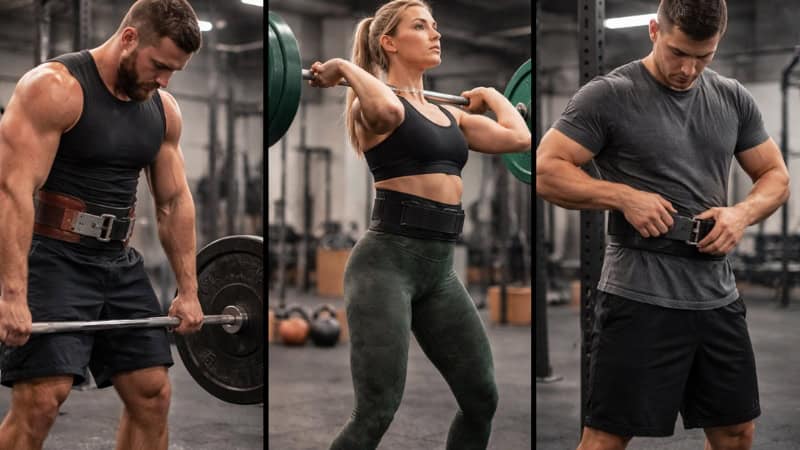
The best lifting belt depends on your training goals, lifting style, and experience level.
Powerlifters
Athletes focused on maximal strength usually prefer leather belts because of their rigidity and support. During heavy attempts in the Barbell Squat or Deadlift, the rigid structure helps maximize intra-abdominal pressure and spinal stability. Competitive lifters in organizations like the International Powerlifting Federation often rely on thick leather belts for consistent support under maximal loads.
CrossFit Athletes
Athletes participating in CrossFit training often prefer nylon belts because their workouts combine multiple exercise styles. Functional fitness sessions may include barbell lifts, kettlebell work, and bodyweight movements in the same workout. A flexible nylon belt allows quick adjustments and greater mobility while still providing moderate support for lifts.
Olympic Weightlifters
Olympic weightlifters frequently perform explosive lifts such as the Clean and Jerk and Snatch. These movements require speed, flexibility, and precise positioning. Because nylon belts allow greater torso mobility and faster adjustments, many athletes prefer them during Olympic lifting sessions where movement efficiency is critical.
Beginners and General Gym Users
Beginners should prioritize comfort and learning proper bracing technique before relying heavily on a belt. A nylon belt can be a practical starting point because it is lighter, adjustable, and easier to use during varied workouts. However, beginners who plan to focus on heavy barbell training may eventually transition to a leather belt for greater support. The key is choosing a belt that supports proper lifting mechanics while still allowing the athlete to develop strong core stability naturally.
Recommended Read: Stretching leather belt the right way
How to Choose the Right Lifting Belt
Choosing the right belt depends on fit, training goals, and lifting style.
Selecting the right lifting belt requires considering several factors, including belt size, thickness, closure type, and the type of training you perform. The most common lifting belt width is four inches, which provides consistent support across the core during compound lifts.
Thickness also matters. Belts typically come in 10mm or 13mm options. A 10mm belt offers a balance between comfort and rigidity, while a 13mm belt provides maximum stiffness for heavy strength training.
Another important factor is the closure system. Leather belts often use lever or prong buckles that provide strong and consistent compression. Nylon belts rely on Velcro closures that allow quick adjustments during workouts.
Proper belt sizing and positioning are equally important. The belt should fit snugly around the waist and sit just above the hips so the abdomen can brace against it effectively. During exercises like the Barbell Squat or Deadlift, the belt should feel tight but still allow deep breathing for proper core bracing.
Ultimately, the best lifting belt depends on your training style, comfort preferences, and how frequently you perform heavy compound lifts.
Frequently Asked Questions
Common questions lifters ask when choosing between leather and nylon belts.
Is leather or nylon better for heavy lifting?
Leather belts generally provide more rigid support, making them better for maximal lifts such as the Deadlift and Barbell Squat.
Can beginners use lifting belts?
Yes, beginners can use belts occasionally, but they should first focus on developing proper bracing and lifting technique.
Do lifting belts prevent back injuries?
Belts improve spinal stability and core bracing, but they cannot completely eliminate injury risk.
Are nylon belts allowed in competitions?
Some strength sports prefer rigid belts. Organizations like the International Powerlifting Federation typically see athletes using leather belts.
How tight should a lifting belt be?
A belt should feel snug around the torso while still allowing deep breathing to create intra-abdominal pressure.
Which Lifting Belt Is Better: Leather or Nylon?
Both leather and nylon lifting belts offer unique benefits for strength training. Leather belts provide maximum rigidity, durability, and spinal stability, making them the preferred option for heavy barbell lifts such as the barbell squat and deadlift. In contrast, nylon belts are lighter, more flexible, and easier to adjust, which makes them ideal for dynamic workouts and functional fitness training like CrossFit.
Choosing between the two depends on your goals. Lifters focused on maximal strength often prefer leather belts, while athletes who prioritize mobility and varied workouts may benefit more from nylon belts. Selecting the right belt ensures better comfort, stability, and training performance.
