
Choosing the right shoe sole plays a bigger role than most people realize, affecting comfort, durability, and overall style. Among the most common options, leather and rubber soles continue to dominate footwear discussions.
Leather soles are often associated with tradition, elegance, and refined dressing, while rubber soles are linked to practicality and everyday performance. Each brings its own strengths and limitations depending on how, where, and how often the shoes are worn.
Understanding these differences helps buyers make informed decisions rather than relying on aesthetics alone. With that foundation in place, it’s important to first explore what defines each sole type and how they are made before comparing them directly.
What Is a Leather Sole?
Leather soles are traditionally made from tanned animal hides, most commonly cowhide, and are widely used in formal and high-end footwear. They are valued for their craftsmanship, classic appearance, and natural feel underfoot. The tanning and finishing process determines how flexible, durable, and refined the sole becomes.
- Material and construction: Leather soles are cut from thick hides and often vegetable-tanned, which enhances longevity and breathability while allowing the sole to mold to the foot over time.
- Types of leather soles: Common variations include single leather soles for lightweight elegance, double leather soles for added durability, and oak-tanned soles known for premium quality and slow tanning methods.
- Performance traits: Leather soles offer excellent breathability and a sleek profile but are more sensitive to moisture and abrasive surfaces.
These qualities make leather soles distinct in both look and feel, which sets the stage for understanding how rubber soles differ in purpose and performance.[/su_list]
What Is a Rubber Sole?
Rubber soles are made from natural or synthetic rubber compounds designed to enhance grip, flexibility, and resistance to external elements. They are commonly found in casual, work, and performance-oriented footwear due to their practicality and comfort.
- Material composition: Rubber soles may be natural, synthetic, or blended, with variations such as crepe rubber, carbon rubber, or studded designs like Dainite.
- Manufacturing process: Rubber is molded or injected into shape, allowing for consistent traction patterns and cushioning features.
- Functional benefits: These soles excel in wet conditions, absorb shock effectively, and provide reliable traction across different surfaces.
Because of their resilience and adaptability, rubber soles are often favored for daily wear, making them a strong contrast to traditional leather soles.
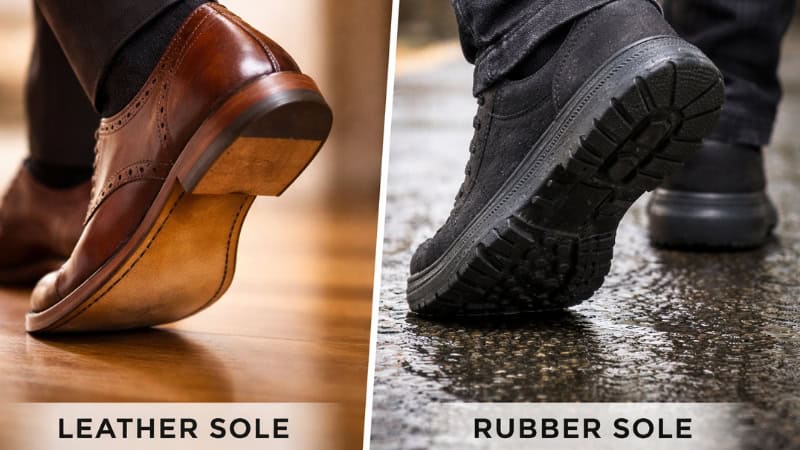
Leather Sole vs Rubber Sole: A Detailed Comparison
When comparing leather soles and rubber soles, the differences extend beyond appearance and directly impact comfort, performance, and longevity. Understanding these contrasts helps buyers choose footwear that aligns with their lifestyle and usage needs.
- Comfort and feel: Leather soles gradually mold to the shape of the foot, offering a custom-like fit over time, but they provide minimal cushioning. Rubber soles deliver immediate comfort through built-in shock absorption, making them more forgiving during long hours of walking or standing.
- Durability and wear: Rubber soles generally outperform leather in durability, especially on rough, wet, or uneven surfaces. Leather soles wear down faster when exposed to moisture and abrasive terrain but can last well with careful, occasional use.
- Grip and traction: Rubber soles offer superior traction and stability, particularly in rain or slippery conditions. Leather soles perform best on dry, indoor, or smooth surfaces where grip is less critical.
- Aesthetics and versatility: Leather soles maintain a slim, elegant profile ideal for formal wear, while rubber soles appear bulkier and more casual, though modern designs are narrowing this gap.
These key differences create a natural divide between style-focused and performance-driven footwear, leading into a closer look at the specific advantages and drawbacks of each sole type.
Pros and Cons of Leather Soles
Leather soles have long been favored in formal footwear, but they come with trade-offs that buyers should consider carefully.
- Advantages: They offer a polished, elegant appearance, allow feet to breathe naturally, and develop a personalized fit over time.
- Disadvantages: Leather soles can be slippery, require regular maintenance, and are vulnerable to water damage and premature wear.
Despite these limitations, leather soles remain a staple for dress shoes and occasions where appearance and tradition matter most, leading naturally into when rubber soles are the better choice.
Pros and Cons of Rubber Soles
Rubber soles are designed with practicality in mind, making them a popular option for modern lifestyles and varied environments.
- Advantages: They provide excellent traction, resist water and weather, and require minimal upkeep compared to leather soles.
- Disadvantages: Rubber soles can be less breathable, may appear bulky, and sometimes lack the refined look of leather.
These pros and cons highlight why rubber soles dominate casual and functional footwear while remaining less common in formal styles.
Best Use Cases for Leather Soles
Leather soles perform best in controlled, low-impact environments where elegance takes priority over rugged durability.
- Formal and business settings: Ideal for suits, dress shoes, and events where refined aesthetics matter.
- Indoor or dry conditions: Best suited for offices, ceremonies, and dry pavements.
- Occasional wear: Works well for shoes not worn daily or exposed to harsh weather.
Understanding these scenarios makes it easier to see why rubber soles are often chosen for more demanding conditions.
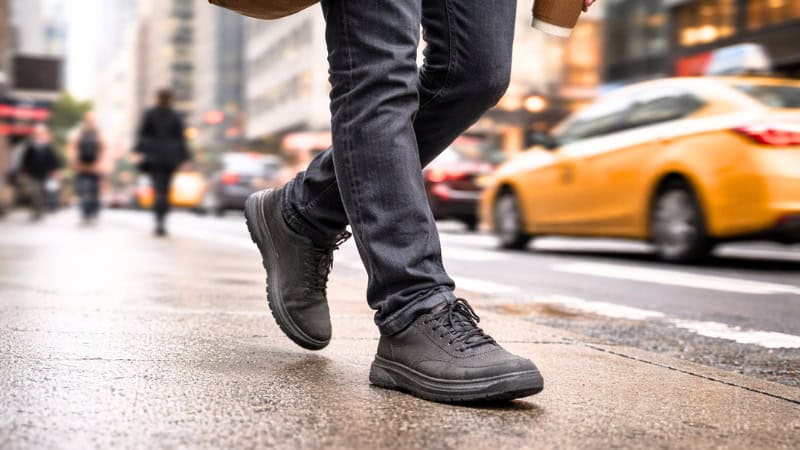
Best Use Cases for Rubber Soles
Rubber soles are built for versatility and endurance, making them a practical choice for everyday life.
- Daily wear and commuting: Suitable for walking, standing, and varied urban surfaces.
- Outdoor and wet environments: Excellent for rain, snow, and uneven terrain.
- Extended use: Ideal for people who spend long hours on their feet.
These use cases emphasize how function-driven rubber soles complement the style-driven nature of leather soles.
Style Considerations
Sole choice has a noticeable impact on the overall appearance of a shoe, influencing how formal or casual it looks.
- Leather soles: Create a sleek silhouette that pairs well with tailored clothing.
- Rubber soles: Add a casual or rugged touch, even to dress-style shoes.
- Hybrid options: Some shoes combine leather soles with rubber inserts to balance elegance and traction.
Style preferences often become the deciding factor once comfort and practicality are addressed.
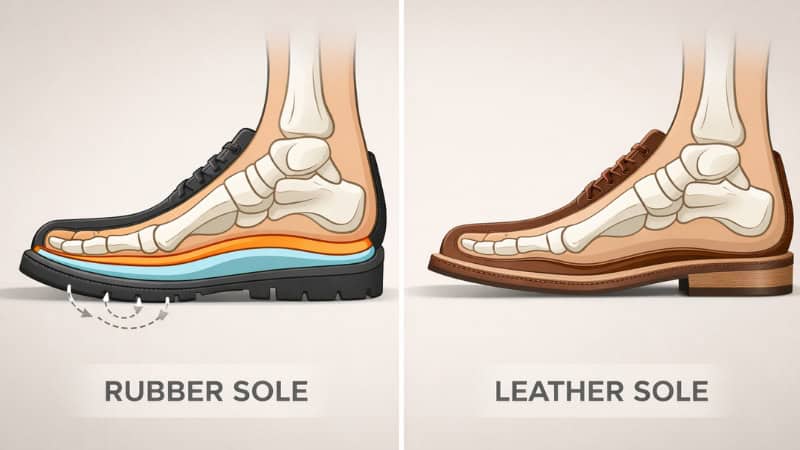
Comfort and Foot Health Considerations
Comfort plays a major role in long-term wearability and foot health.
- Shock absorption: Rubber soles reduce impact and strain, while leather offers minimal cushioning.
- Foot fatigue: Rubber soles are better for prolonged standing or walking.
- Seasonal comfort: Leather breathes better in warm weather, while rubber insulates slightly in colder conditions.
Balancing comfort with aesthetics helps ensure the chosen sole supports both style and health.
Cost and Long-Term Value
The financial aspect of sole choice extends beyond the initial purchase price.
- Upfront cost: Leather-soled shoes often cost more due to materials and craftsmanship.
- Maintenance: Leather requires conditioning and care, while rubber is low-maintenance.
- Resoling: Both can be resoled, but leather soles are more commonly refurbished.
Evaluating cost over time provides a clearer picture of overall value.
Sustainability and Environmental Impact
Environmental considerations are increasingly important in footwear decisions.
- Leather soles: Depend on animal hides and tanning processes, which vary in environmental impact.
- Rubber soles: Often use synthetic materials derived from petroleum, though recycled options exist.
- Eco-friendly alternatives: Some brands offer vegetable-tanned leather or recycled rubber soles.
Sustainability can be a deciding factor for environmentally conscious buyers.
Frequently Asked Questions
Are leather soles slippery?
Yes, leather soles can be slippery, especially on wet or smooth surfaces. Over time, wear improves traction slightly. Adding a rubber grip can help reduce slipping.
Do rubber soles last longer than leather soles?
In most cases, rubber soles last longer, particularly in harsh or wet conditions. Leather soles wear faster when exposed to moisture and rough surfaces. Usage environment plays a major role.
Can leather-soled shoes be worn in the rain?
They can be worn occasionally in light rain, but frequent exposure can damage the leather. Water can cause warping and faster wear. Protective sole treatments can help.
Which sole is better for standing all day?
Rubber soles are generally better due to superior cushioning and shock absorption. They reduce foot fatigue during long periods of standing. Leather soles offer less support in this scenario.
Are rubber soles less formal than leather soles?
Yes, rubber soles usually appear more casual. Leather soles are traditionally associated with formal footwear. Some modern designs blend both for versatility.
Can both sole types be repaired or replaced?
Yes, both leather and rubber soles can be resoled by a professional cobbler. Leather soles are more commonly refurbished. Rubber sole replacement depends on construction quality.
Final Verdict: Style Meets Practicality
Choosing between leather and rubber soles ultimately depends on how and where the shoes will be worn. Leather soles shine in formal settings, offering elegance, breathability, and timeless appeal. Rubber soles prioritize comfort, grip, and durability, making them ideal for everyday and outdoor use.
Rather than viewing one as better than the other, the smarter approach is matching the sole to your lifestyle. When function and fashion align, the right sole choice enhances both comfort and confidence with every step.
