
Leather rarely gets ruined overnight. Most damage happens slowly—through everyday habits that seem harmless but steadily weaken the material.
Heat, sunlight, moisture, friction, and common cleaning shortcuts strip leather of its natural oils and stretch its collagen fibers over time. Because leather is a natural, porous material, these small exposures add up—often before visible damage appears.
This guide breaks down the daily habits that quietly ruin leather, explains why they cause long-term deterioration, and shows how to stop them using simple, professional care practices. If you use leather shoes, bags, furniture, or car interiors, changing a few daily routines can significantly extend their lifespan.
Understanding Leather: A Living Material That Reacts Daily
Leather is not a static or inert material. It is made from animal hide, and even after tanning, it remains biologically responsive to its environment. This is why daily exposure—not rare accidents—causes the most damage over time.
Unlike synthetic materials, leather continuously absorbs, releases, and reacts to heat, moisture, oils, and pressure. Understanding this behavior is essential to preventing premature deterioration.
What Leather Is Made Of – Collagen Fibers Explained
- Leather is built from interwoven collagen fibers
These fibers provide strength, flexibility, and shape retention. When they dry out, overstretch, or break, the damage is permanent. - Natural pores allow absorption
Leather absorbs oils, moisture, and chemicals through microscopic pores. This makes it breathable—but also vulnerable. - The grain layer is protective but fragile
The outer grain resists wear, but once compromised, the inner structure degrades rapidly.
Entity relevance: full-grain leather, top-grain leather, genuine leather, cowhide, tanning process.
Why Daily Exposure Matters More Than Rare Damage
Leather damage is cumulative. Small stressors—daily sunlight, repeated friction, mild dampness—gradually weaken fiber bonds. Unlike a single spill or scratch, these micro-damages often go unnoticed until cracking, fading, or sagging appears.
7 Daily Habits That Quietly Ruin Leather Over Time
Most leather damage doesn’t come from accidents—it comes from everyday routines repeated without realizing their impact. Daily exposure to heat, moisture, friction, improper cleaning, and poor storage slowly breaks down leather’s natural oils and collagen fiber structure. Understanding these seven common habits is the first step to preventing premature cracking, fading, stretching, and irreversible deterioration.
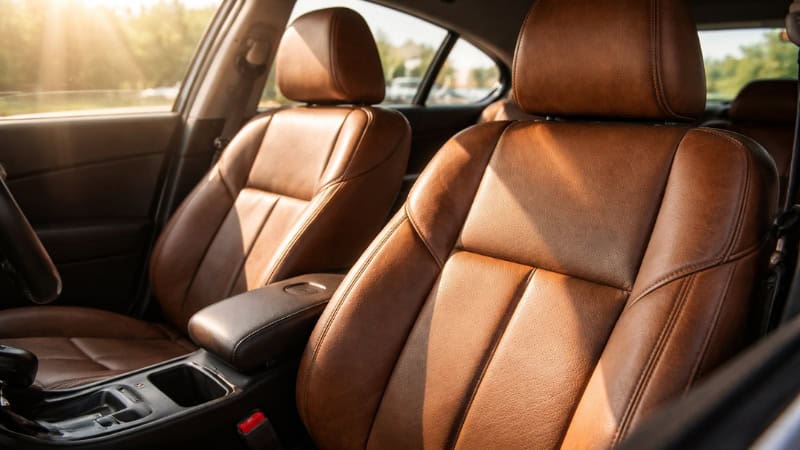
Habit #1: Leaving Leather in Direct Sunlight or Heat
Direct sunlight and prolonged heat exposure quietly degrade leather from the inside out. UV radiation and elevated temperatures break down the natural oils that keep leather flexible, leading to dryness, fading, and surface cracking over time.
Why Sunlight and Heat Are So Damaging to Leather
- UV rays oxidize leather oils
This oxidation dries out collagen fibers, reducing elasticity and accelerating aging. - Heat speeds up moisture evaporation
Leather near radiators, dashboards, or windows loses oils unevenly, causing stiffness. - Color fading signals early damage
Discoloration usually appears before cracks or brittleness become visible.
Does sunlight damage leather?
Yes. Prolonged exposure to sunlight dries out leather’s natural oils, causing fading, stiffness, and eventual cracking.
How to Prevent Heat and UV Damage
- Store leather away from direct sun and heat sources
- Use leather conditioners with UV inhibitors
- In vehicles, ventilate interiors and use sunshades
Habit #2: Sitting or Storing Leather While It’s Damp
Leather absorbs moisture quickly, even when it doesn’t feel wet. Sweat, rain, and humidity penetrate the pores and destabilize the fiber structure if not addressed promptly.
What Moisture Does to Leather Fibers
- Water displaces essential oils
As leather dries, it becomes rigid and prone to cracking. - Repeated wet–dry cycles weaken fibers
Collagen fibers swell and shrink, causing long-term structural stress. - Trapped moisture promotes mold growth
Especially in shoes, bags, and upholstered furniture.
Proper Drying and Moisture Control
- Let leather air-dry at room temperature
- Avoid hair dryers, heaters, or direct sun
- Use breathable inserts (paper, cedar) to maintain shape
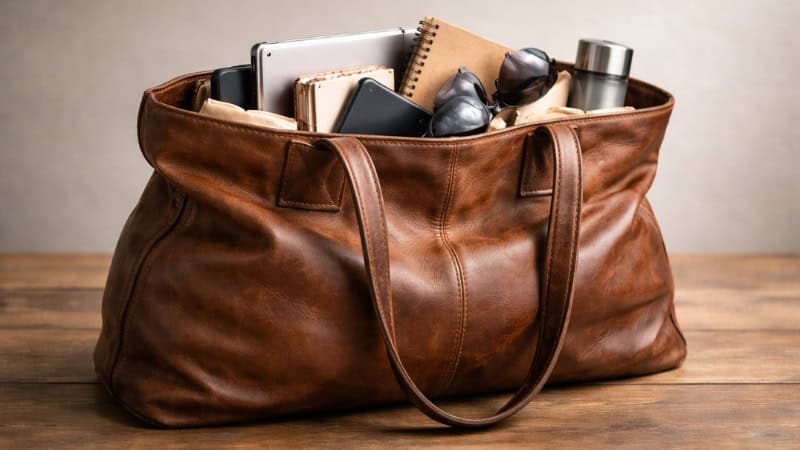
Habit #3: Overloading Leather Bags, Shoes, or Furniture
Leather stretches under pressure, but it does not fully recover once fibers are overstressed. Daily overloading causes permanent deformation that no conditioner can reverse.
How Excess Weight Permanently Damages Leather
- Collagen fibers lose tensile strength
This leads to sagging, warping, and misshapen surfaces. - Stress concentrates at seams and handles
Resulting in tearing and structural failure. - Footwear alignment breaks down
Overloaded shoes lose support in the heel and toe box.
Overloading leather permanently stretches its fibers beyond repair.
How to Reduce Structural Stress
- Stay within recommended weight limits
- Rotate frequently used items
- Support structure during storage with inserts or stuffing
Habit #4: Using Household Cleaners or Baby Wipes on Leather
Many household cleaning products are chemically incompatible with leather. Even occasional use can strip oils, damage the grain, and alter color.
Why Common Cleaners Ruin Leather Surfaces
- Alcohol removes protective oils
Found in wipes, sprays, and sanitizers. - Ammonia and detergents break down the grain layer
Leading to discoloration and stiffness. - Incorrect pH accelerates fiber breakdown
Leather requires mildly acidic care products.
Safer Leather Cleaning Alternatives
- Use leather-specific, pH-balanced cleaners
- Apply with soft cloths—never abrasive sponges
- Always spot-test before full application
Habit #5: Skipping Conditioning Until Damage Appears
Conditioning is preventive maintenance, not damage control. Waiting until leather looks dry means internal deterioration has already begun.
Why Leather Requires Regular Conditioning
- Natural oils evaporate over time
Even without heavy use. - Conditioners restore flexibility and resilience
Helping fibers resist cracking and stiffness. - Neglect accelerates visible aging
Especially in dry, hot, or air-conditioned environments.
How often should you condition leather?
Most leather benefits from conditioning every 3–6 months, depending on use and climate.
Practical Conditioning Guidelines
- Light-use items: every 6 months
- High-use items: every 2–3 months
- Always clean before applying conditioner
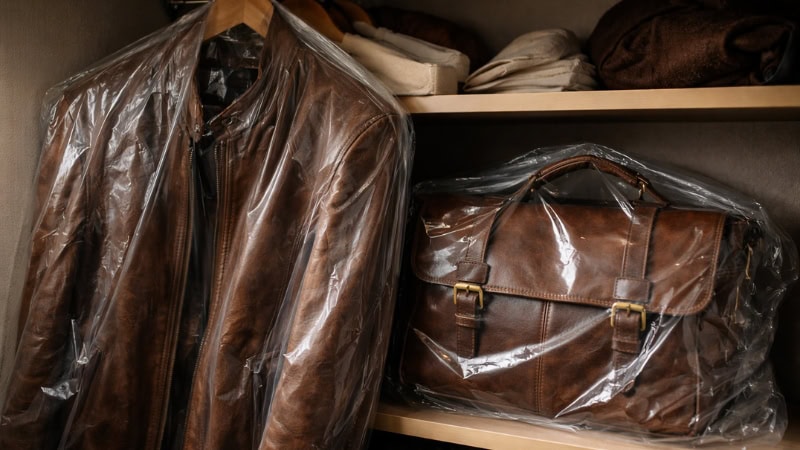
Habit #6: Improper Storage – Plastic Bags, Tight Spaces, No Airflow
Storage conditions play a major role in leather longevity. Poor airflow and trapped moisture cause more damage than regular use.
How Improper Storage Degrades Leather
- Plastic traps humidity
Encouraging mold, mildew, and odor. - Tight spaces create permanent creases
Which weaken fiber structure. - Stagnant air accelerates deterioration
Especially in warm or humid climates.
Best Practices for Long-Term Leather Storage
- Use breathable fabric dust bags
- Store in cool, ventilated spaces
- Maintain shape with supports or inserts
Habit #7: Ignoring Small Scratches, Scuffs, and Spills
Minor damage becomes major damage when left untreated. Early intervention preserves the protective surface layer.
Why Small Damage Escalates Quickly
- Scratches expose inner fibers
Allowing dirt and moisture penetration. - Spills oxidize and set into pores
Especially oils, alcohol, and acidic liquids. - Delayed care reduces restoration options
Turning minor issues into permanent flaws.
Immediate Response Best Practices
- Blot spills gently—never rub
- Clean with a leather-safe cleaner
- Condition lightly to reseal the surface
Daily Leather Care Best Practices – Quick Reference
- Wipe leather with a dry microfiber cloth regularly
- Keep leather away from heat and direct sunlight
- Condition every 3–6 months based on use
- Store with airflow and structural support
- Address spills, scuffs, and scratches immediately
Expert Insight: How Professionals Extend Leather’s Lifespan
Professionals treat leather as a material that must be managed continuously, not fixed after damage appears. Their focus is on controlling environment, reducing daily stress, and maintaining the leather’s internal oil balance before visible wear sets in.
In practice, this means gentle, regular cleaning to prevent abrasive buildup, consistent conditioning to preserve fiber flexibility, and strict avoidance of heat-assisted drying. Professionals also rotate leather items to reduce repeated stress points and store them in breathable conditions that stabilize humidity.
The key difference is prevention. By addressing small changes in texture, dryness, or shape early, professionals extend leather’s usable life by years—often decades—without relying on aggressive restoration or cosmetic repairs.
Frequently Asked Questions About Leather Damage and Care
Does leather need daily care?
Leather does not require intensive daily maintenance, but light routine care helps prevent long-term damage. Gently wiping leather with a dry microfiber cloth removes dust and surface oils that can degrade the grain over time. Deep cleaning and conditioning should be done periodically, not daily.
How often should leather be conditioned?
Most leather items benefit from conditioning every three to six months, depending on usage and environment. Items exposed to heat, sunlight, or frequent handling may need more frequent conditioning to replace evaporated natural oils. Over-conditioning should be avoided, as it can oversaturate the pores.
Can cracked leather be restored?
Minor surface cracking can sometimes be improved with conditioning and professional repair products. However, deep cracks indicate broken collagen fibers, which cannot be fully restored. Preventive care is far more effective than attempting to repair advanced damage.
Is real leather more fragile than faux leather?
Real leather is more sensitive to environmental factors than synthetic alternatives, but it is also significantly more durable when properly maintained. Faux leather may resist moisture initially, but it typically peels or degrades faster over time. Well-cared-for real leather can last decades.
What ruins leather the fastest?
Prolonged heat, direct sunlight, trapped moisture, and harsh cleaning chemicals cause the fastest deterioration. These factors strip natural oils, weaken fiber bonds, and damage the protective grain layer. Most rapid damage results from repeated daily exposure rather than one-time incidents.
Does water permanently damage leather?
Water itself does not always cause permanent damage, but improper drying does. When leather dries too quickly or without conditioning afterward, it becomes stiff and prone to cracking. Controlled air-drying and reconditioning are essential after moisture exposure.
Can leather be stored long-term without damage?
Yes, leather can be stored safely long-term if airflow, temperature, and humidity are controlled. Breathable dust bags, cool environments, and shape support help prevent mold, creasing, and fiber breakdown. Plastic storage and sealed containers should be avoided.
Why does leather crack even if it’s not used often?
Leather can crack even when unused because natural oils evaporate over time. Lack of conditioning, dry environments, and poor storage slowly weaken the fibers. Infrequently used leather still requires periodic care to maintain flexibility.
Protect Leather by Changing Small Daily Habits
Leather longevity is determined by routine, not rescue. Most damage comes from habits repeated daily—heat exposure, moisture neglect, overloading, and improper cleaning.
By understanding how leather behaves and adjusting small daily actions, you can preserve its strength, appearance, and value for years. Proper care does not require expensive products—only informed, consistent habits.
